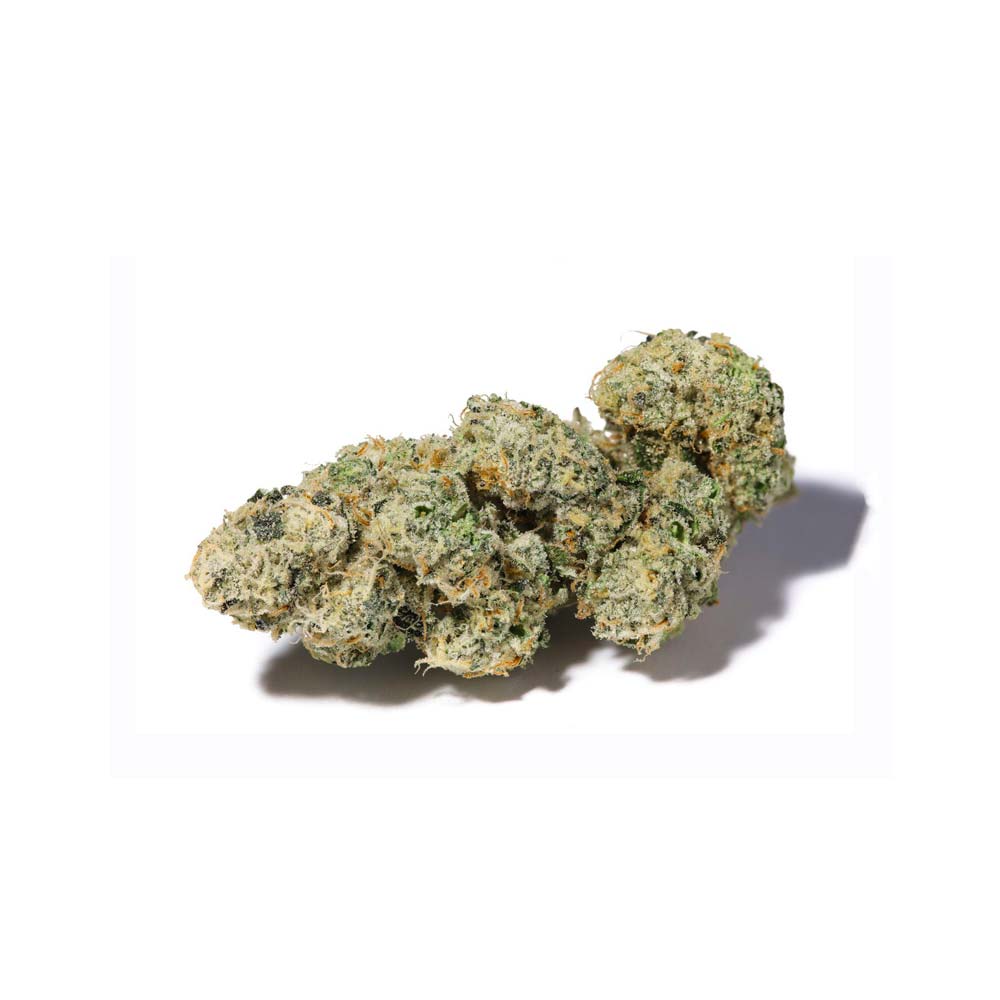
Cannabis Strain Origins: Landrace Strains and How Modern Varieties
Understanding Cannabis Strain Origins for UK Medical Patients
For UK medical patients prescribed cannabis-based medications, understanding strain origins is essential to making informed decisions about treatment. The genetic lineage of cannabis strains directly influences their therapeutic properties, cannabinoid profiles, and potential medical benefits. This comprehensive guide explores how cannabis strains originated across the globe and evolved into the varieties available to UK patients today.
Landrace Strains: The Original Geographic Varieties
Landrace strains represent cannabis varieties that evolved naturally over centuries in specific geographic regions, adapting to local climates and environmental conditions. These original strains form the foundation of modern cannabis genetics and remain significant for medical applications.
Hindu Kush, originating from the mountainous regions bordering Afghanistan and Pakistan, developed short, dense plant structures suited to harsh alpine conditions. This strain produced high resin concentrations, traditionally valued for hashish production. Medically, Hindu Kush descendants typically offer high THC levels, though newer selections focus on balanced cannabinoid profiles.
Durban Poison emerged from South Africa’s port city of Durban, developing as a pure sativa in tropical conditions. Its energetic effects and relatively high THC content made it distinctive among landrace varieties. For UK patients, Durban Poison genetics remain relevant for daytime treatments and focus-related symptoms, though medical cultivars have refined cannabinoid ratios.
Thai strains developed across Southeast Asia’s tropical regions, producing tall plants with longer flowering periods. Traditional Thai varieties contained moderate THC levels but distinctive terpene profiles. Medical applications of Thai genetics are increasingly explored for their unique cannabinoid and terpene combinations.
Colombian strains originated in diverse South American climates, ranging from tropical lowlands to mountainous regions. This geographic diversity created varied phenotypes, though Colombian varieties generally expressed tropical sativa characteristics. Their medical potential includes effects suitable for mood and focus-related conditions.
During the 1960s and 1970s, Western growers began crossing landrace strains to combine desirable characteristics. Breeders crossbred Hindu Kush with Thai varieties, creating strains like Northern Lights. These intentional hybrids offered improved growth characteristics, faster flowering times, and modified cannabinoid profiles suited to medical needs.
The development of hybrids accelerated as breeding became more sophisticated. Growers selected plants displaying therapeutic benefits, consistent effects, and reliable growth patterns. This selective breeding fundamentally transformed cannabis genetics, moving away from pure landrace varieties toward precisely engineered strains.
Indica Origins: Afghanistan and India
Cannabis indica strains originated in India and Afghanistan’s mountainous regions, where plants developed short, bushy structures adapted to cooler climates. Afghan strains, particularly those from Hindu Kush mountains, became prized for their resin production and what consumers described as relaxing properties.
Indian cannabis traditions, documented in ancient texts, utilised local varieties for medicinal and spiritual purposes. Modern indicas trace their genetics to these regional varieties, though contemporary medical strains have been extensively modified through selective breeding.
Sativa Origins: Tropical Climates
Cannabis sativa strains developed naturally in tropical and subtropical regions across Africa, Asia, and Central America. These tall plants adapted to equatorial climates with long growing seasons, producing effects traditionally described as uplifting and energetic. For medical applications, sativa genetics offer potential benefits for fatigue, depression, and pain conditions requiring daytime relief.
UK-Developed Strains: Cheese and Skunk Heritage
The United Kingdom developed significant cannabis breeding expertise during the 1980s and 1990s, despite legal restrictions. The legendary UK Cheese strain originated from clone-only genetics circulating through British growers, likely derived from Skunk genetics crossed with unknown phenotypes. Cheese became famous for its distinctive aroma and consistent effects.
UK Skunk represented another homegrown development, based on American Skunk genetics but refined through British cultivation practices. These domestically developed strains demonstrated that UK growers could produce consistent, high-quality varieties suitable for medical applications.
Why Strain Genetics Matter for Medical Effects
Different strains contain varying ratios of THC, CBD, and other cannabinoids, with terpene profiles significantly influencing therapeutic outcomes. A strain’s genetic lineage determines its chemical composition and therefore its medical efficacy for specific conditions. Hindu Kush descendants typically suit pain management, whilst sativa-dominant strains better address fatigue or depression.
Understanding Strain Lineage When Choosing
UK medical patients should request information about strain parentage and cannabinoid profiles from best UK cannabis clinics. Understanding whether a strain derives from indica, sativa, or hybrid genetics helps predict effects. Laboratory testing ensures accuracy, revealing actual cannabinoid content rather than relying on claimed genetics. Your clinician can help match strain lineage to specific medical needs, considering genetic predisposition toward relaxation, focus, or balanced effects based on the strain’s origins.
Medical Disclaimer: The information on this page is for educational purposes only and does not constitute medical advice. Always consult a licensed healthcare professional before starting any new treatment.
https://cannazen.co.uk/wp-content/uploads/2026/01/cosmic-mac-cannabis-doctor-prescription-pharmacy-shop-blute.jpg10001000CannaZen UK Editorial Teamhttps://cannazen.co.uk/wp-content/uploads/2026/01/cannazen-shop-lieferung-cannabis-weed-hemp-online.svgCannaZen UK Editorial Team2026-05-14 21:50:502026-05-23 10:44:04Cannabis Strain Origins: Landrace Strains and How Modern Varieties
We may request cookies to be set on your device. We use cookies to let us know when you visit our websites, how you interact with us, to enrich your user experience, and to customize your relationship with our website.
Click on the different category headings to find out more. You can also change some of your preferences. Note that blocking some types of cookies may impact your experience on our websites and the services we are able to offer.
Essential Website Cookies
These cookies are strictly necessary to provide you with services available through our website and to use some of its features.
Because these cookies are strictly necessary to deliver the website, refusing them will have impact how our site functions. You always can block or delete cookies by changing your browser settings and force blocking all cookies on this website. But this will always prompt you to accept/refuse cookies when revisiting our site.
We fully respect if you want to refuse cookies but to avoid asking you again and again kindly allow us to store a cookie for that. You are free to opt out any time or opt in for other cookies to get a better experience. If you refuse cookies we will remove all set cookies in our domain.
We provide you with a list of stored cookies on your computer in our domain so you can check what we stored. Due to security reasons we are not able to show or modify cookies from other domains. You can check these in your browser security settings.
Google Analytics Cookies
These cookies collect information that is used either in aggregate form to help us understand how our website is being used or how effective our marketing campaigns are, or to help us customize our website and application for you in order to enhance your experience.
If you do not want that we track your visit to our site you can disable tracking in your browser here:
Other external services
We also use different external services like Google Webfonts, Google Maps, and external Video providers. Since these providers may collect personal data like your IP address we allow you to block them here. Please be aware that this might heavily reduce the functionality and appearance of our site. Changes will take effect once you reload the page.
Google Webfont Settings:
Google Map Settings:
Google reCaptcha Settings:
Vimeo and Youtube video embeds:
Other cookies
The following cookies are also needed - You can choose if you want to allow them:
Privacy Policy
You can read about our cookies and privacy settings in detail on our Privacy Policy Page.