
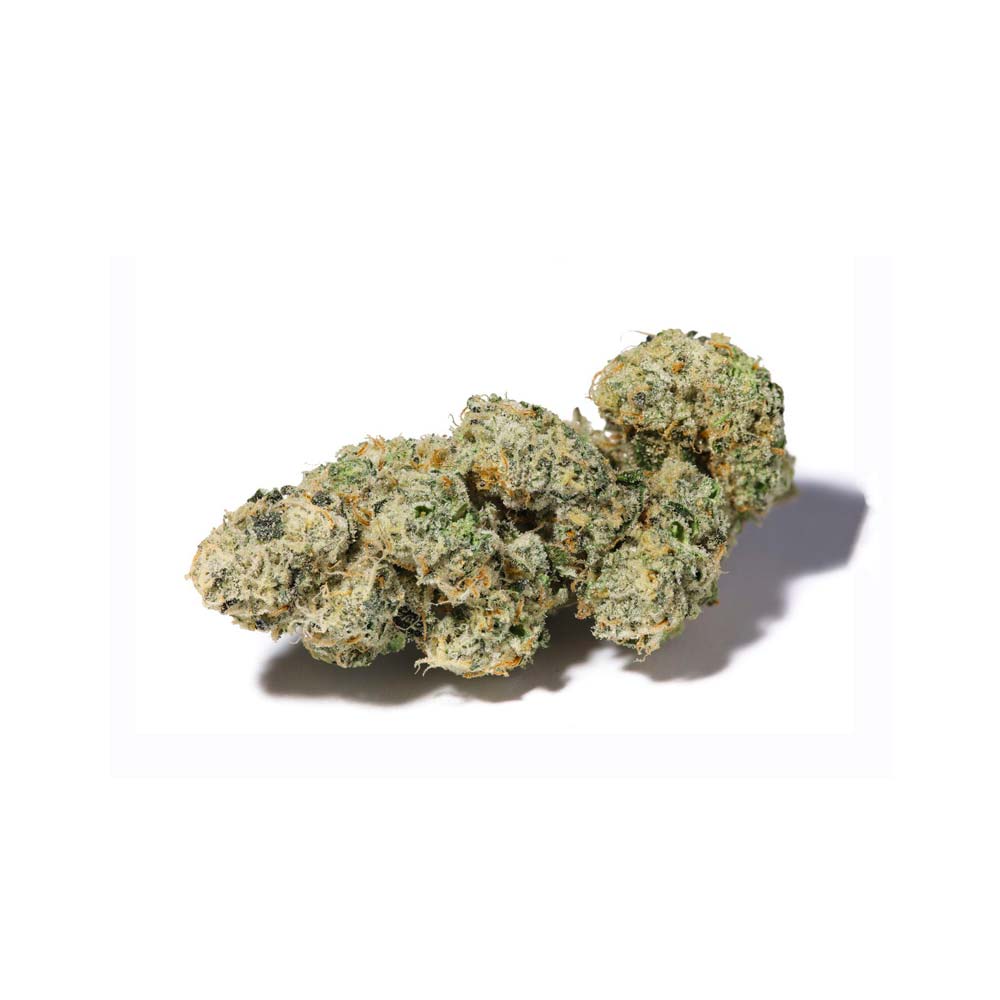
Landrace Cannabis Strains UK — Original Genetics Guide
Understanding landrace cannabis strains has become increasingly important for UK cultivators, medical patients, and cannabis enthusiasts seeking authentic genetics and reliable growing characteristics. Landrace strains represent the foundation of modern cannabis breeding, offering unique properties shaped by centuries of natural adaptation and human selection across diverse geographical regions.
What Are Landrace Strains?
Landrace cannabis strains are original, unmodified cannabis populations that have evolved naturally or through traditional cultivation practices within specific geographical regions. Unlike modern hybrid strains developed through deliberate cross-breeding, landrace strains possess genetic stability within their native environments and represent pure genetic lineages preserved over generations.
These strains developed their distinctive characteristics through environmental pressures, altitude variations, climate conditions, and human selection criteria specific to their regions of origin. A landrace strain cultivated in the Hindu Kush mountains differs significantly from one adapted to the tropical conditions of Jamaica or the Mediterranean climate of Lebanon.
Landrace strains typically exhibit greater genetic diversity within their population than modern hybrids, resulting in variable phenotypes and cannabinoid profiles even when cultivating seeds from the same plant. This natural variation reflects their evolutionary history and lack of intense artificial selection pressure.
Key Landrace Strains and Their Origins
Several distinguished landrace strains have influenced cannabis cultivation globally and remain significant in UK horticultural and medical contexts.
Afghan Strains: Cannabis varieties originating from Afghanistan represent some of the most stable landrace genetics available. Afghan strains typically feature high resin production, dense flowering, and indica-dominant characteristics suited to cooler climates. These strains have contributed substantially to modern commercial breeding programmes, with an estimated 60-70% of contemporary indica hybrids containing Afghan genetic heritage.
Thai Strains: Thai landrace cannabis developed under tropical conditions produces sativa-dominant characteristics, including tall growth patterns, extended flowering periods, and uplifting effects. Thai strains exhibit natural pest resistance and vigorous growth traits valuable for modern breeding objectives.
Colombian Strains: Colombian landraces developed in Andean mountain regions feature adaptability to variable elevation and climate conditions. These sativa-dominant strains demonstrate resilience and moderate flowering times compared to other equatorial origins.
Lebanese Strains: Mediterranean landrace cannabis from Lebanon’s Bekaa Valley represents historically significant genetics used in hashish production. These strains developed dense resin production and compact flowering characteristics suited to semi-arid climates.
Characteristics of Authentic Landrace Cannabis
Identifying genuine landrace strains requires understanding their distinctive botanical and chemical profiles.
Landrace strains demonstrate consistent response patterns to photoperiod changes, reflecting their adaptation to specific latitude ranges. Afghan and Hindu Kush landraces typically flower reliably under UK indoor growing conditions with standard lighting schedules, whilst Thai and Colombian varieties may exhibit extended pre-flowering periods.
Cannabinoid profiles in landrace strains often reflect regional characteristics. Afghan and Hashplant strains typically produce elevated CBD levels (ranging from 1-4%) alongside THC content, whilst Thai and Colombian landraces generally demonstrate higher THC-to-CBD ratios.
Morphological characteristics remain relatively consistent within authentic landrace populations. Leaf shape, branching patterns, internode spacing, and resin distribution reflect genetic programming developed over centuries. Afghan landraces typically display broader, darker leaflets, whilst Thai landraces feature narrower, lighter green foliage.
Genuine landrace strains show remarkable seed viability and germination rates exceeding 90% in most cases, reflecting strong evolutionary fitness within their original environments.
Growing Landrace Strains in the UK
Cultivating landrace cannabis in UK conditions requires understanding their original environmental adaptations and adjusting horticultural practices accordingly.
Afghan and Hindu Kush landraces demonstrate excellent suitability for UK growing, featuring natural hardiness and reliable flowering responses under standard indoor photoperiods. These strains typically complete flowering within 8-9 weeks at 12-hour light cycles, making them practical for commercial and personal cultivation.
Thai and Colombian landraces present greater challenges in UK conditions, requiring extended growing periods and controlled manipulation of light schedules to complete flowering within practical timeframes. Cultivators report Thai landraces often require 11-13 weeks flowering under continuous 12-hour schedules, necessitating larger growing spaces and extended resource investment.
Landrace strains generally demonstrate superior pest and disease resistance compared to highly inbred modern hybrids, reflecting their diverse genetic backgrounds and natural immunity development. UK cultivators report reduced fungal pressure and pest infestations when growing authentic landraces, particularly in outdoor or semi-controlled environments.
Yields from landrace strains typically range from 400-600 grams per square metre under indoor conditions, somewhat lower than modern commercial hybrids but compensated by improved resilience and stability.
Medical Applications and Cannabinoid Profiles
Landrace cannabis strains offer particular significance for UK medical cannabis applications due to their established cannabinoid ratios and consistent chemical profiles.
Afghan and Hindu Kush landraces, containing elevated natural CBD levels alongside moderate THC content, demonstrate therapeutic potential for patients seeking balanced cannabinoid profiles without dominant intoxicating effects. Research indicates these strains may provide benefit for inflammatory conditions, chronic pain management, and anxiety-related disorders.
Thai landraces, typically high in THC and lower in CBD, offer potential applications for patients requiring elevated THC content for treatment-resistant conditions whilst maintaining sativa-associated mental clarity and functional capacity.
The consistent cannabinoid profiles within authentic landrace strains facilitate medical research and clinical applications. Unlike unstable hybrids displaying variable cannabinoid ratios between batches, landrace genetics provide predictable therapeutic outcomes essential for medical prescribing protocols.
Seed Sourcing and Preservation
Obtaining authentic landrace cannabis genetics in the UK presents challenges requiring careful sourcing and verification.
Legitimate seed banks operating within legal frameworks increasingly stock verified landrace strains, providing genetic purity certification and cultivation documentation. Reputable suppliers maintain genetic preservation programmes and authentic breeding lines sourced from original landrace populations.
UK cannabis enthusiasts should verify genetic authenticity through supplier credentials, breeding documentation, and phenotype consistency reports from established growing communities. Authentic landrace seeds typically display predictable germination patterns, consistent morphology, and documented cannabinoid analysis.
Preserving landrace genetics requires careful breeding discipline, preventing cross-contamination with hybrid genetics and maintaining population diversity. UK growers interested in genetic preservation should maintain detailed cultivation records and preferentially select breeding stock demonstrating authentic landrace characteristics.
Legal Considerations for UK Growers
UK cannabis cultivation regulations apply equally to landrace and hybrid strains. Possession of cannabis seeds remains legal under UK law, whilst cultivation without appropriate licensing remains prohibited under the Misuse of Drugs Act 1971.
Medical cannabis patients accessing licensed products may encounter landrace-derived genetics within pharmaceutical formulations, particularly strains developed specifically for consistent therapeutic cannabinoid profiles.
Future Significance of Landrace Strains
Landrace cannabis genetics continue increasing in significance as modern cultivation prioritises stability, resilience, and consistent therapeutic outcomes. UK breeders and medical researchers increasingly recognise landrace genetics as essential foundation material for developing improved cultivars addressing specific medical applications and environmental adaptability.
Understanding landrace strains uk enables informed decision-making for cultivation, medical applications, and genetic preservation efforts. Authentic landrace genetics represent invaluable botanical heritage and practical growing resources increasingly appreciated within UK cannabis communities.
Further Reading
- Blue Dream Strain — Balanced Effects, THC, UK Guide
- Acapulco Gold Strain — Effects, THC, UK Guide
- Runtz Strain — Effects, THC 29%, UK Guide
- Black Widow Strain — Effects, THC, UK Guide