
Northern Lights Cannabis Strain: A Comprehensive Guide
Northern Lights stands as one of the most iconic and beloved cannabis strains in the world, renowned for its exceptional therapeutic properties and consistent quality. This classic indica-dominant strain has earned its place in the pantheon of medicinal cannabis through decades of cultivation refinement and a devoted following amongst both recreational and medical users. With its distinctive resinous buds, sweet earthy flavour profile, and profoundly relaxing effects, Northern Lights represents an excellent choice for those seeking therapeutic relief, particularly in the context of the UK’s growing medical cannabis programme.
Understanding Northern Lights: Strain Classification and Genetics
Northern Lights is fundamentally an indica-dominant hybrid strain, derived from the crossing of two legendary parent strains: the robust Afghani landrace and the stimulating Thai sativa. This genetic combination has proven remarkably successful, creating a strain that balances the sedative, body-focused properties of indica genetics with subtle cerebral effects inherited from its Thai parentage. The Afghani parent contributes the strain’s characteristic dense, resinous flower structure and deep relaxation properties, whilst the Thai influence provides a refined complexity to both flavour and effects that elevates Northern Lights above more one-dimensional indica offerings.
The beauty of Northern Lights lies in how its mixed genetic heritage creates a nuanced cannabis experience. Rather than producing the sometimes overly heavy and stupefying effects associated with pure indicas, Northern Lights delivers a sophisticated relaxation that remains functional and coherent, particularly during daylight hours. This balanced nature has contributed significantly to its enduring popularity across the medical cannabis community, where precision and predictability are paramount.
Cannabinoid Profile and Potency
Northern Lights typically presents a moderate to moderately-high THC content, ranging between 16 and 21 percent. This potency level sits comfortably within the optimal range for most medical cannabis users, offering substantial therapeutic benefits without the intensity that can accompany ultra-high-THC strains. The moderate cannabinoid profile makes Northern Lights particularly suitable for patients new to medical cannabis, those requiring daytime dosing, or individuals with sensitivity to higher concentrations of THC.
Beyond its THC content, Northern Lights contains a diverse terpene and cannabinoid profile that contributes to its therapeutic efficacy. The strain typically exhibits meaningful levels of CBD alongside its THC, though the exact ratios vary between cultivars. This minor cannabinoid presence enhances the entourage effect—the synergistic interaction between cannabis compounds—potentially amplifying therapeutic benefits whilst moderating some of THC’s more psychoactive qualities. For UK medical cannabis patients, this balanced cannabinoid composition represents an important consideration when selecting appropriate therapeutic options.
Distinctive Physical Characteristics
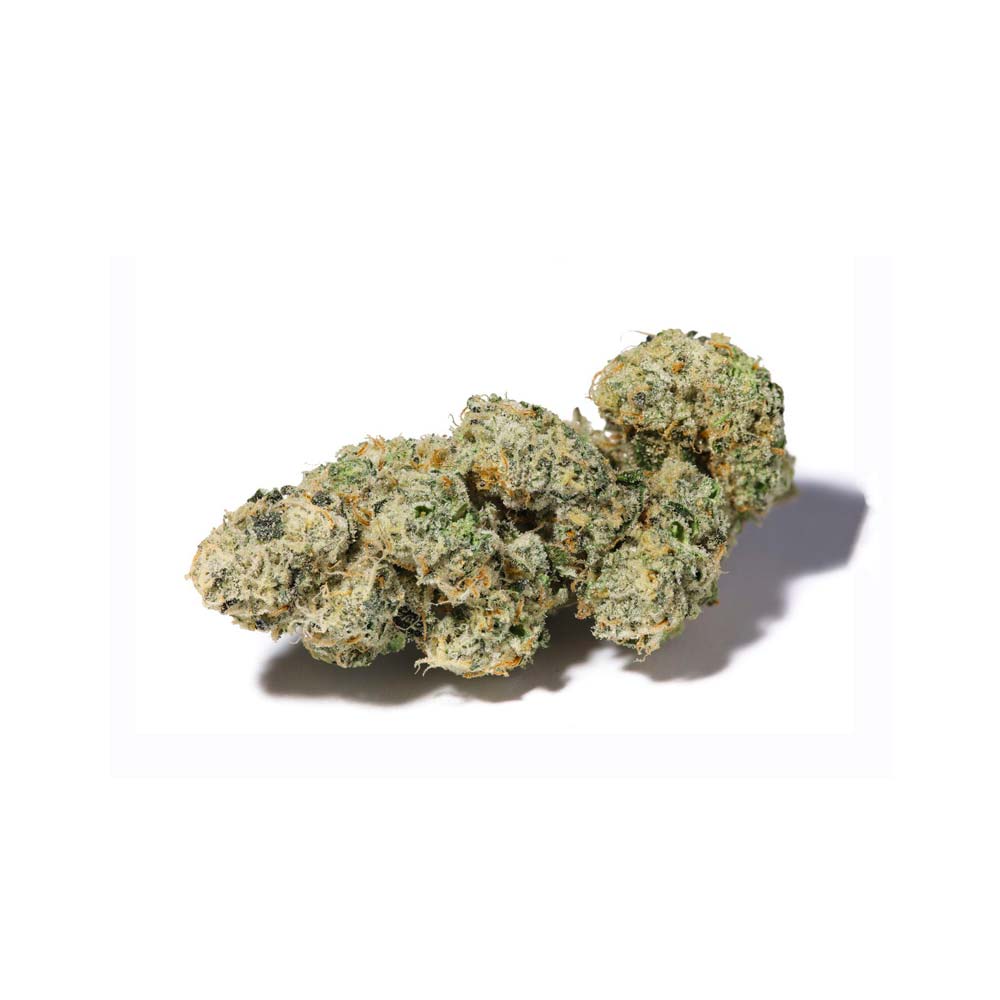
One cannot discuss Northern Lights without emphasising its visually striking and functionally impressive bud structure. The strain produces densely packed, resinous flowers that glisten with trichomes—the crystalline structures containing cannabinoids and terpenes. These buds exhibit a characteristic deep green colouration, often highlighted with purple and blue hues, particularly when cultivated in cooler conditions. The abundance of resinous material serves both aesthetic and practical purposes, indicating high cannabinoid concentration whilst making the material particularly suitable for extraction into oils, tinctures, and other medical preparations.
The physical composition of Northern Lights flowers demonstrates ideal medical cannabis characteristics. The dense, well-formed buds dry to a consistent texture that is neither excessively crumbly nor unpleasantly moist, facilitating accurate dosing whether consumed through inhalation or processed into alternative delivery methods. The substantial resin production also suggests robust terpene profiles, which carry both flavour and therapeutic significance.
Flavour Profile and Sensory Experience
Northern Lights presents a distinctly appealing and easily recognisable sensory profile centred on sweet, earthy notes. Upon initial inspection, the strain emits an aroma combining sweet floral undertones with deeper earthy, almost woody notes reminiscent of natural soil and vegetation. This olfactory presentation proves immediately recognisable to experienced cannabis connoisseurs and pleasantly approachable to newcomers.
The flavour experience mirrors and complements the aroma. Combustion or vaporisation releases sweet, slightly spicy notes underpinned by pronounced earthy and woody flavours. Some users report subtle fruity notes, particularly berry undertones, though these remain secondary to the dominant sweet-earth flavour profile. This palatable, non-aggressive taste makes Northern Lights considerably more approachable than strains with harsh or unpleasant flavour characteristics, an important consideration for patients who may be sensitive to taste or require extended medicinal use.
Therapeutic Effects and Medical Applications
The primary therapeutic strength of Northern Lights lies in its profound relaxation properties. The indica-dominant genetics manifest in deeply calming physical effects that gradually envelop the user, releasing muscular tension and promoting overall bodily comfort. Many medical cannabis patients report that Northern Lights provides exceptional relief from physical discomfort, muscle tension, and inflammatory conditions. The strain’s sedative properties intensify as the experience progresses, making it particularly valuable for individuals struggling with sleep disturbances or insomnia.
Primary Medical Applications
- Sleep disorders: Northern Lights’ sedative effects make it an excellent choice for patients with insomnia or disrupted sleep patterns
- Pain management: The strain’s body-focused relaxation provides meaningful relief from chronic pain conditions
- Muscle tension: Anti-inflammatory and muscle-relaxing properties benefit patients with muscle spasms or tension
- Anxiety: The calming effects provide anxiolytic benefits without overwhelming cerebral effects
- Stress relief: The deep relaxation promotes mental and physical recovery from stress
Rather than producing the sometimes overwhelming cerebral effects of sativa-dominant strains, Northern Lights offers gentle mental relaxation alongside its physical benefits. Users typically experience a settling of racing thoughts and a peaceful mental state that complements rather than dominates the experience. This characteristic makes Northern Lights suitable for evening and nighttime use, though many patients find it manageable during afternoon hours.
Northern Lights in the UK Medical Cannabis Context
Within the UK’s medical cannabis framework, Northern Lights represents an excellent therapeutic option for licensed patients. The strain’s moderate THC content, well-documented effects, and established therapeutic applications align well with the current medical cannabis regulatory environment. For patients pursuing medical cannabis treatment through the NHS or private specialist consultants, Northern Lights provides a clinically relevant option with substantial evidence supporting its medicinal utility.
UK medical cannabis cultivators have increasingly recognised Northern Lights’ therapeutic value, with several licensed producers now offering Northern Lights-based products for medical patients. Whether obtained through whole flower, oil extracts, or other delivery methods, Northern Lights provides British medical cannabis patients with access to a strain specifically suited to common conditions including chronic pain, sleep disturbances, and anxiety-related concerns.
Conclusion
Northern Lights endures as a classic cannabis strain not through marketing or novelty, but through genuinely exceptional therapeutic properties and reliable, consistent effects. The combination of Afghani and Thai genetics produces a balanced indica-dominant experience, whilst moderate THC levels (16-21%) and resinous, flavourful buds make it equally suitable for medical and recreational applications. For UK patients exploring medical cannabis options, Northern Lights represents a thoroughly vetted, clinically appropriate choice with a well-established track record of therapeutic efficacy. Whether seeking relief from chronic pain, sleep difficulties, or stress-related conditions, Northern Lights offers a sophisticated, effective cannabis experience worthy of its legendary status.
Further Reading
Related Articles
- Northern Lights Auto Strain — UK Medical Cannabis Guide
- Amnesia Haze Cake Strain UK
- Cannabis Strains UK FAQ: 20 Strain Questions Answered