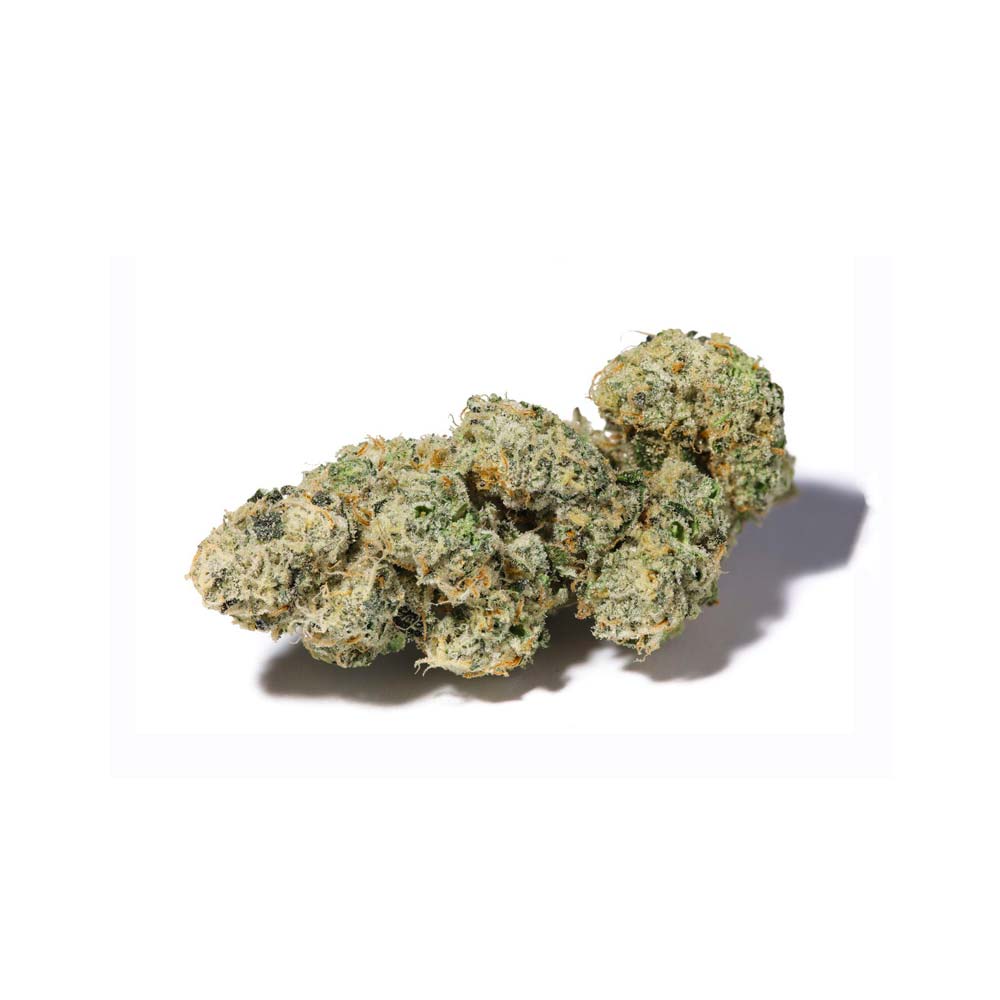

The history of cannabis – We take you back to Asia 4,000 years ago! The route via the Silk Road to India, Europe and Africa. Did you know? Even the first Bibles were printed on hemp paper. A lot has happened since the discovery of THC in 1964 and the first modern hybrids such as Haze varieties in the 1970s. Oh yes, and cannabis vapes already existed in the 8th/7th century B.C. Learn everything here up to today’s cannabis legends. This is Zen cannabis history!
Cannabis: It all began 4,000 years ago in Asia
Let’s start with the absolute origins.
The first evidence of the use of cannabis comes from China over 4,000 years ago, when the plant was used both as a remedy and for fibers to make ropes and clothing – but not for consumption, which was only discovered 2,500 years ago. Archaeologists discovered incense burners with cannabis residue in the Pamir Mountains (western China). The residues show deliberate burning of cannabis with a high THC content.
- Cannabis use documented for 4,000 years
- Cannabis use documented for 2,500 years
China: Traditional medicine for 4,000 years
In China , cannabis was considered an important medicine and was used to treat pain, inflammation and mental illness – just like medicinal cannabis today. People specifically chose plants with stronger psychoactive effects. Finds along the Silk Road support the theory that cannabis was spread via trade routes.
Here you can see a 2,500-year-old fireplace with traces of cannabis.
Via the Silk Road to India, Africa and Europe
Cannabis was also used early on in India – particularly as a spiritual remedy in Hindu religious ceremonies (under the name “Bhang“). In ancient Greece, Hippocrates recommended cannabis as a medicine. Cannabis was even used in the Middle Ages, for example by Johannes Gutenberg, who printed his first Bibles on hemp paper – more on that in a moment!
5 facts about the “time of origin” of cannabis:
- 2,500 year old finds
- Earliest evidence of THC use
- Ritual use
- Selection of THC-rich plants:
- Spread along the Silk Road
Source: Max Planck Institute.
Video: 4,000 years in 2 minutes
4,000 years of history, briefly told!
Now we’re making a big turn! From ancient times, straight to 1964, when THC was discovered
Cannabis in antiquity, the Middle Ages and colonial times until the 1960s

Cannabis im antiken Griechenland
Over 2,500 years ago, ancient cultures used cannabis specifically as a medicinal and ritual plant. The first evidence of its medicinal use comes from Greece, Rome and Egypt. The famous physician Hippocrates recommended cannabis for the treatment of wounds, inflammation and sleep disorders. The Scythians burned cannabis for rituals and inhaled the smoke – presumably an early form of vaporization.
- First targeted medical application
- Ritual use by Scythians and Egyptians
- Hippocrates recommended cannabis for healing
Middle Ages: Medicine and raw materials

Cannabis im Islam
In the Middle Ages, Arab scholars such as Avicenna (Ibn Sina) in particular used cannabis in their medical writings. In the Islamic world, cannabis was considered an important medicinal plant and was used to treat pain, inflammation and psychological ailments.

Cannabis in Indien
The knowledge reached Europe via trade routes, where cannabis dominated as a raw material: Hemp was used for clothing, rope and paper. Johannes Gutenberg even printed his first Bibles on hemp paper, which shows the immense importance of the plant for book printing and seafaring.
Colonial era: From Europe to India
In colonial times, Europeans brought hemp to North and South America, where it was quickly cultivated for industrial purposes. In India, cannabis remained spiritually significant and was used in rituals. In 1894, the British published the Indian Hemp Drugs Commission Report, which confirmed that moderate consumption was harmless to health.
20th century until today
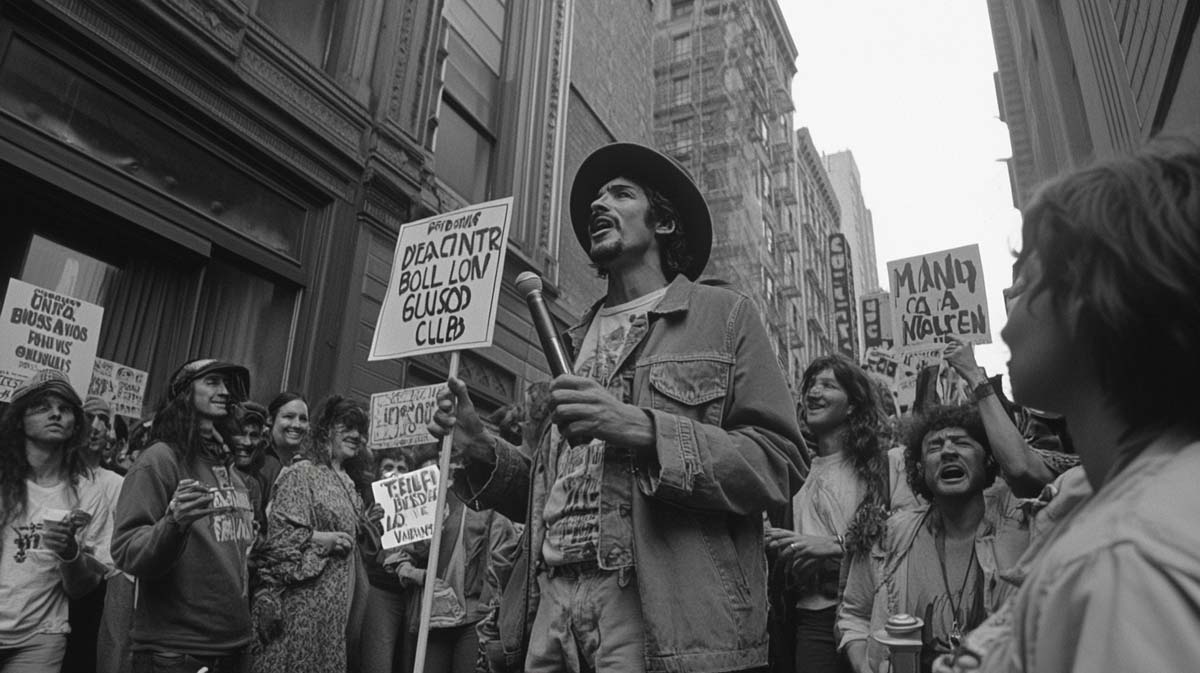
Cannabis in den USA
From the 1920s onwards, many countries criminalized cannabis, in the USA for example through the Marihuana Tax Act of 1937. In the 1960s, the hippie movement made cannabis culturally popular again. From the 1990s onwards, more and more countries legalized cannabis for medical and later also for recreational use. Today, we are experiencing a global re-legalization – Germany is one of the most recent examples.
Cannabis modern history: from research to pop culture
The history of cannabis in modern times has been shaped by extraordinary personalities. Researchers, activists, breeders and artists have brought the plant from the underground into the global public eye. From the discovery of THC to the worldwide legalization movement, the story is full of turning points and visionaries.
Research: The discovery of cannabinoids
In the 1960s, Dr. Raphael Mechoulam laid the foundation for modern cannabis research. He identified THC and CBD as the plant’s most important active ingredients. His knowledge made it possible to make targeted use of the effects of cannabinoids – today the basis for medical applications. Without Mechoulam’s work, there would be no modern understanding of the effects of cannabis.
THC is discovered in 1964!
The Israeli researcher discovered THC and CBD. Without him, there would be no modern understanding of the effects of cannabinoids.
- Discoverer of THC (1964)
- Leading the way in cannabinoid research
- Scientific role model for the scene

Genetics: The revolution of strains
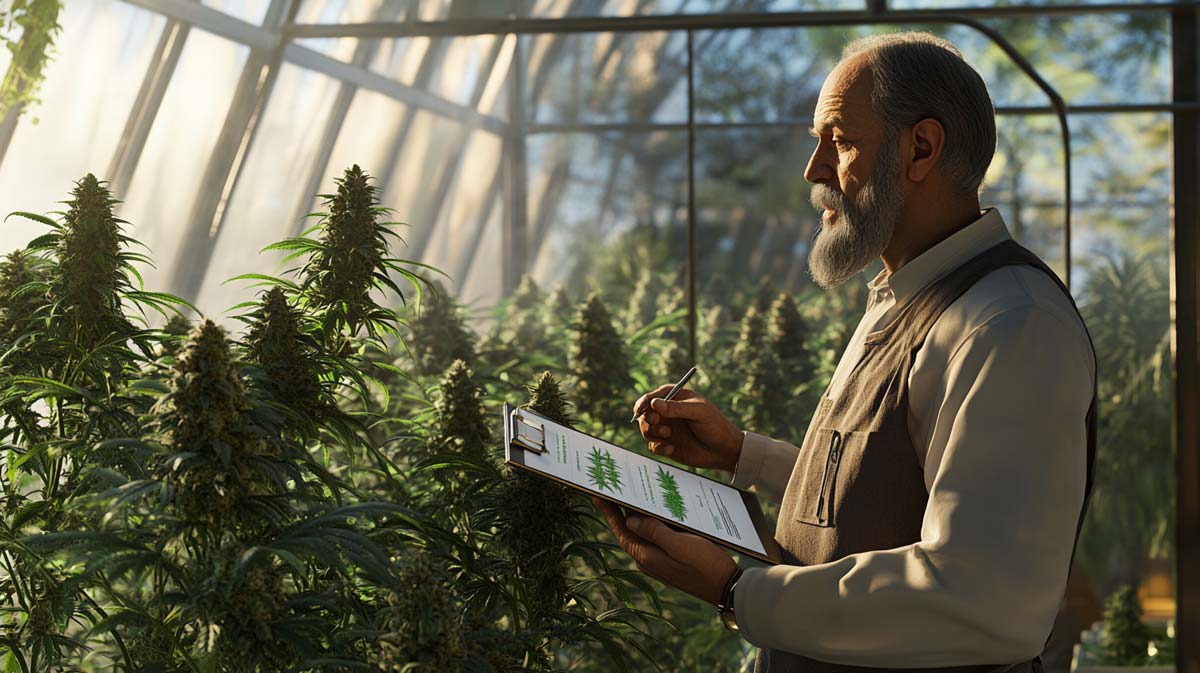
Shantibaba (Scott Blakey)
Parallel to research, a new era of cultivation began in the 1970s. Visionaries such as Nevil Schoenmakers, founder of the first seed bank, made cannabis seeds available worldwide. Breeders such as Shantibaba developed hybrids such as White Widow and Super Silver Haze, which are still legendary today. DJ Short also left his mark on the scene with varieties such as Blueberry, which is still one of the most popular strains in the world today.
Read more about here:
Activism: The long road to legalization
The modern legalization movement began with courageous activists. Jack Herer wrote the manifesto of the scene with “The Emperor Wears No Clothes” and became a symbolic figure. In the USA, Dennis Peron campaigned for AIDS patients and initiated legalization in California in 1996. He was supported by Brownie Mary, who distributed THC brownies to seriously ill patients. Today, entrepreneurs like Steve DeAngelo are continuing this vision and actively shaping the global market.
Pop culture: cannabis becomes mainstream
Pop culture also played a key role in anchoring cannabis in society. Films such as Cheech & Chong made stoner humor world-famous, and artists such as Snoop Dogg, Bob Marley and Wiz Khalifa became global cannabis icons. Brands such as “Khalifa Kush” and “Leafs by Snoop” turned weed into a lifestyle product. Today, cannabis is not just a medicine or a stimulant – it is part of a global cultural movement.

YouTube: Musikvideo Snoop Doog “Last Dance with Mary Jane”