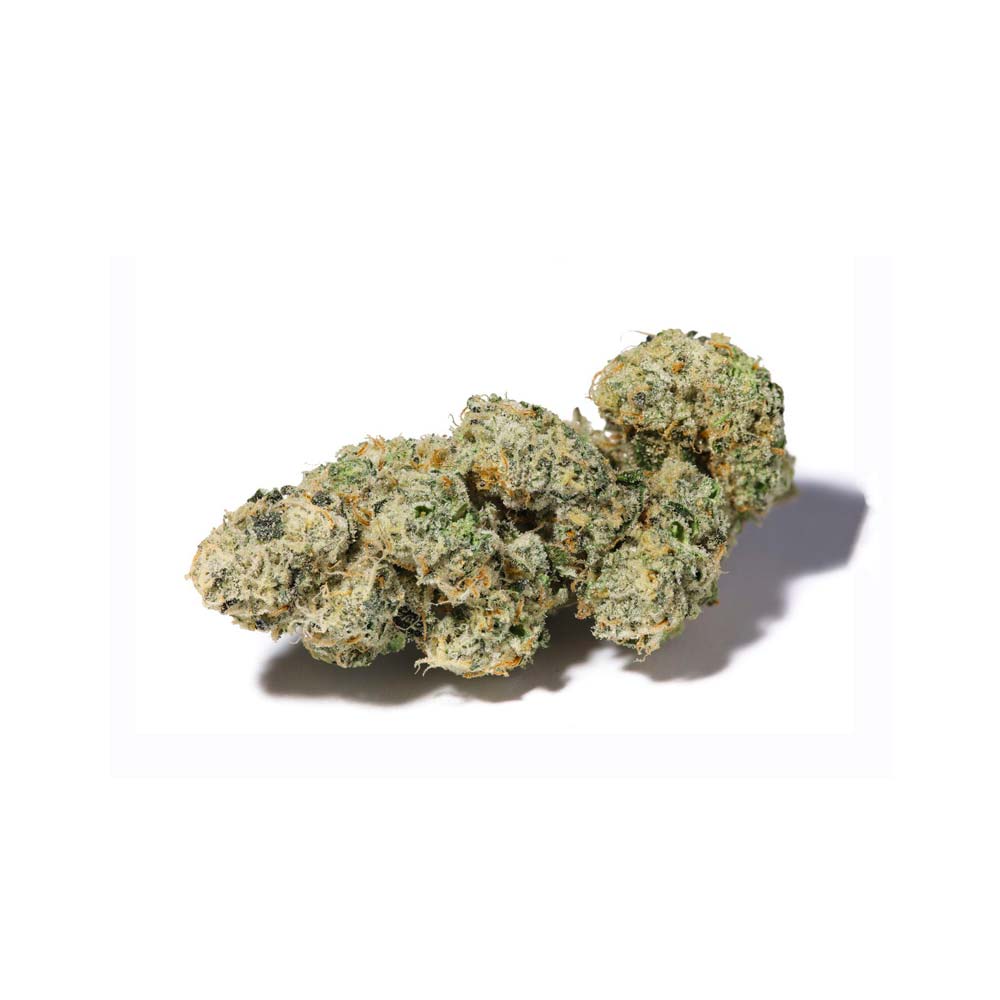
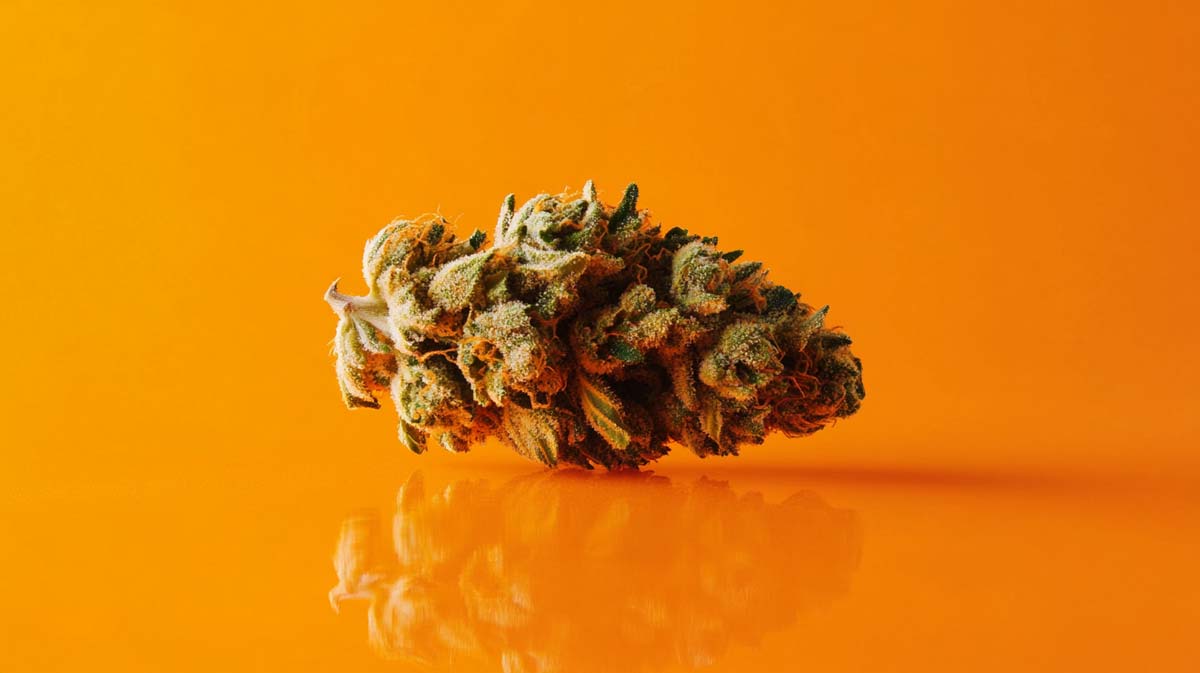
Cannabinoids & effects in the body
Cannabinoids: THC, CBD, CBG, CBN & effects, everything you need to know – Cannabinoids are a group of chemical compounds found in the cannabis plant, more precisely in the cannabis flower, and have a variety of effects on the human body. These compounds are responsible for the psychoactive and therapeutic effects of cannabis. Learn everything you need to know about cannabinoids, their mode of action and the different types here!
What are cannabinoids?
Let’s start with a simple explanation: cannabinoids are chemical compounds found in the cannabis plant that have the ability to bind to cannabinoid receptors in the human endocannabinoid system. THC & Co. were first discovered by Dr. Raphael Mechoulam. This system plays an important role in the regulation of various physiological processes such as pain perception, mood, appetite and memory, even in anti-ageing, as new cannabis studies show.
Top cannabinoids
There are over 100 different cannabinoids in the cannabis plant, but the best known and most researched are THC (tetrahydrocannabinol) and CBD (cannabidiol). These two cannabinoids are not only the main components in medicinal cannabis, but also the most studied in terms of their effects and therapeutic use.
You can find more cannabinoids in the cannabinoid table below.
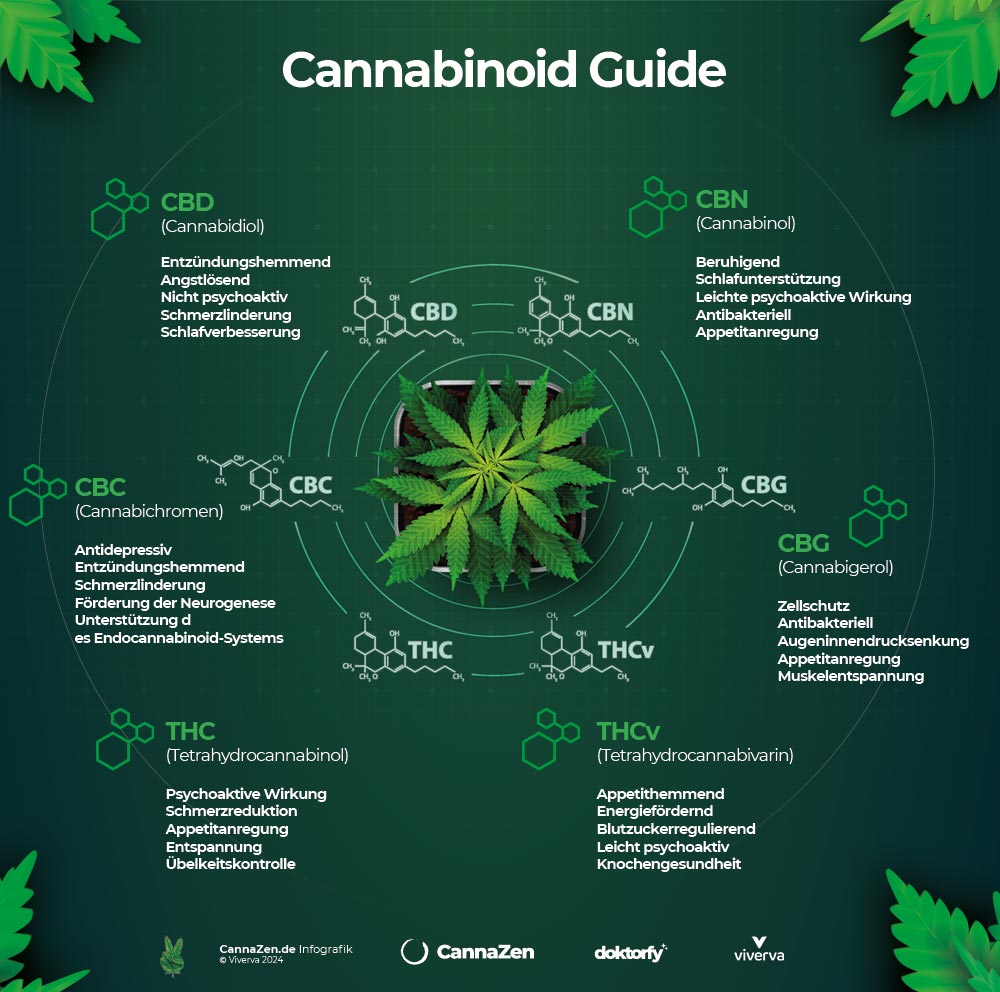
Cannabinoid table
Here again all cannabinoids plus a few more such as HHC.
| Cannabinoid | Effect |
|---|---|
| THC | Psychoactive, produces a high |
| CBD | Relaxing, not psychoactive |
| CBG | Preliminary stage, stress-reducing |
| CBC | Anti-inflammatory |
| CBN | Calming, sleep-promoting |
| THCV | Appetite suppressant, mildly psychoactive |
| CBDV | Antispasmodic |
| CBGA | Basic building block of many cannabinoids |
| CBDA | Anti-inflammatory, CBD precursor |
| THCA | Non-psychoactive, turns into THC |
| CBCA | CBC preamplifier |
| CBL | Degradation product of CBC |
| CBT | Modulates psyche, little researched |
| Δ8-THC | Milder high |
| Δ9-THC | Highly psychoactive |
| Δ10-THC | Gentle, slightly euphoric |
| HHC | Psychoactive, THC-like |
| CBE | Effect still unclear |
| CBND | Derivative of CBD, psychoactive |
How do cannabinoids work in the body?
Let’s take a closer look at the effect of cannabinoids in your body.
2 types of cannabinoids
The main types of cannabinoids can be divided into two categories:
- Phytocannabinoids → are found in the cannabis plant.
Examples: THC, CBD, CBG, CBC, CBN. - Endocannabinoids → are produced by the human body itself.
Examples: Anandamide (AEA), 2-AG (2-arachidonoylglycerol).
How do THC and CBD work?
Cannabinoids work by binding to specific receptors in the endocannabinoid system. This system consists of two main types of receptors:
- CB1 receptors
- CB2 receptors
CB1 receptors, mainly for THC
These receptors are mainly located in the brain and central nervous system. They are responsible for the psychoactive effects of THC, including changes in mood and cognition. CB1 receptors also play a role in the regulation of pain, appetite and memory.
CB2 receptors, mainly for CBD
These receptors are predominantly found in the immune system and in peripheral tissues. They are involved in the regulation of inflammation and immune responses. CBD mainly acts on CB2 receptors and thus influences inflammatory processes and pain.
THC (tetrahydrocannabinol)
THC is the best-known cannabinoid and the main component of cannabis responsible for its psychoactive effects. It acts on the CB1 receptors of the endocannabinoid system and can induce feelings of euphoria, relaxation and increased appetite. THC is often used in medical treatment to relieve symptoms such as chronic pain, nausea and loss of appetite.
Learn more about here:
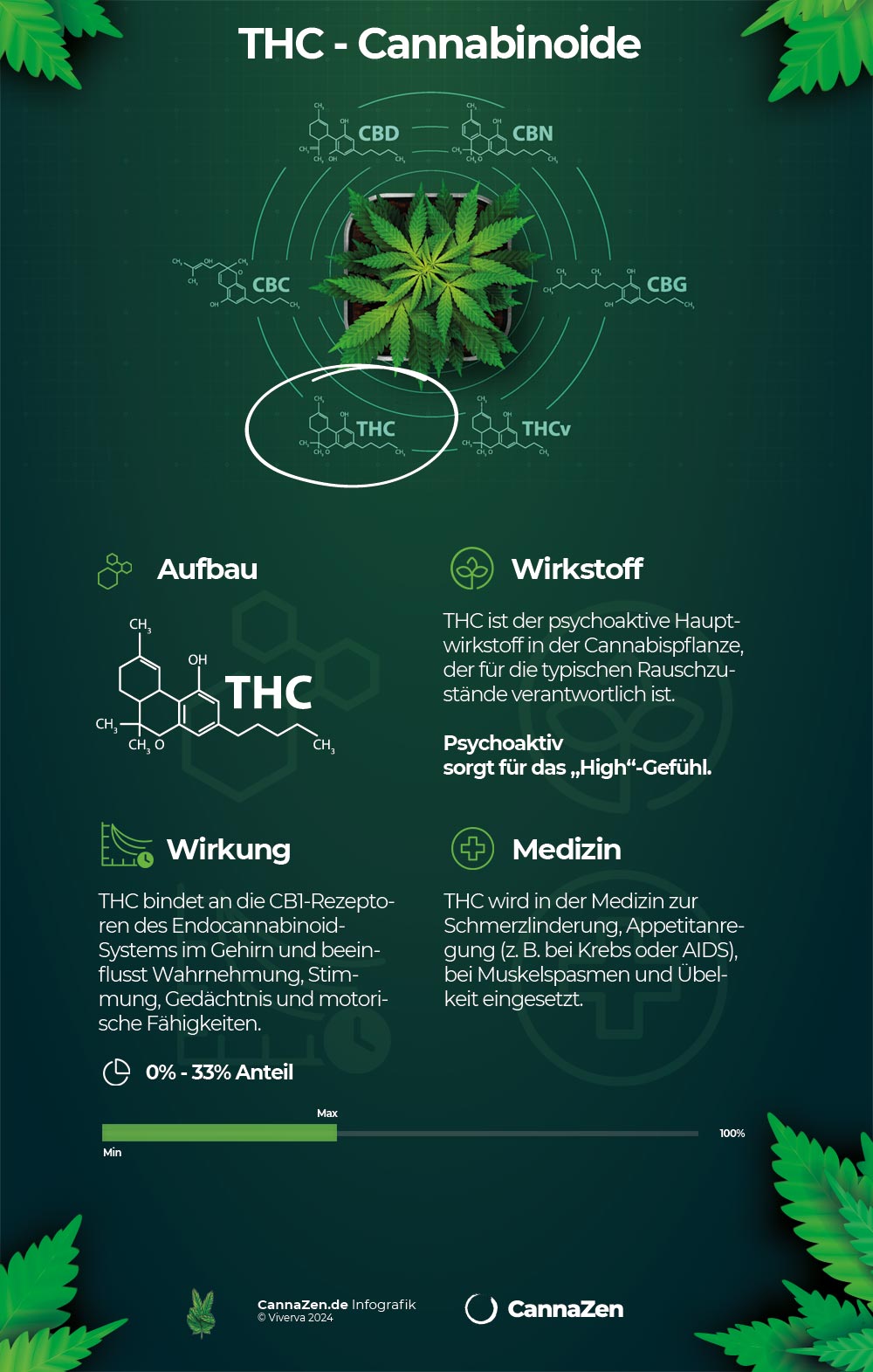
Cannabinoide in Cannabis: THC
CBD (cannabidiol)
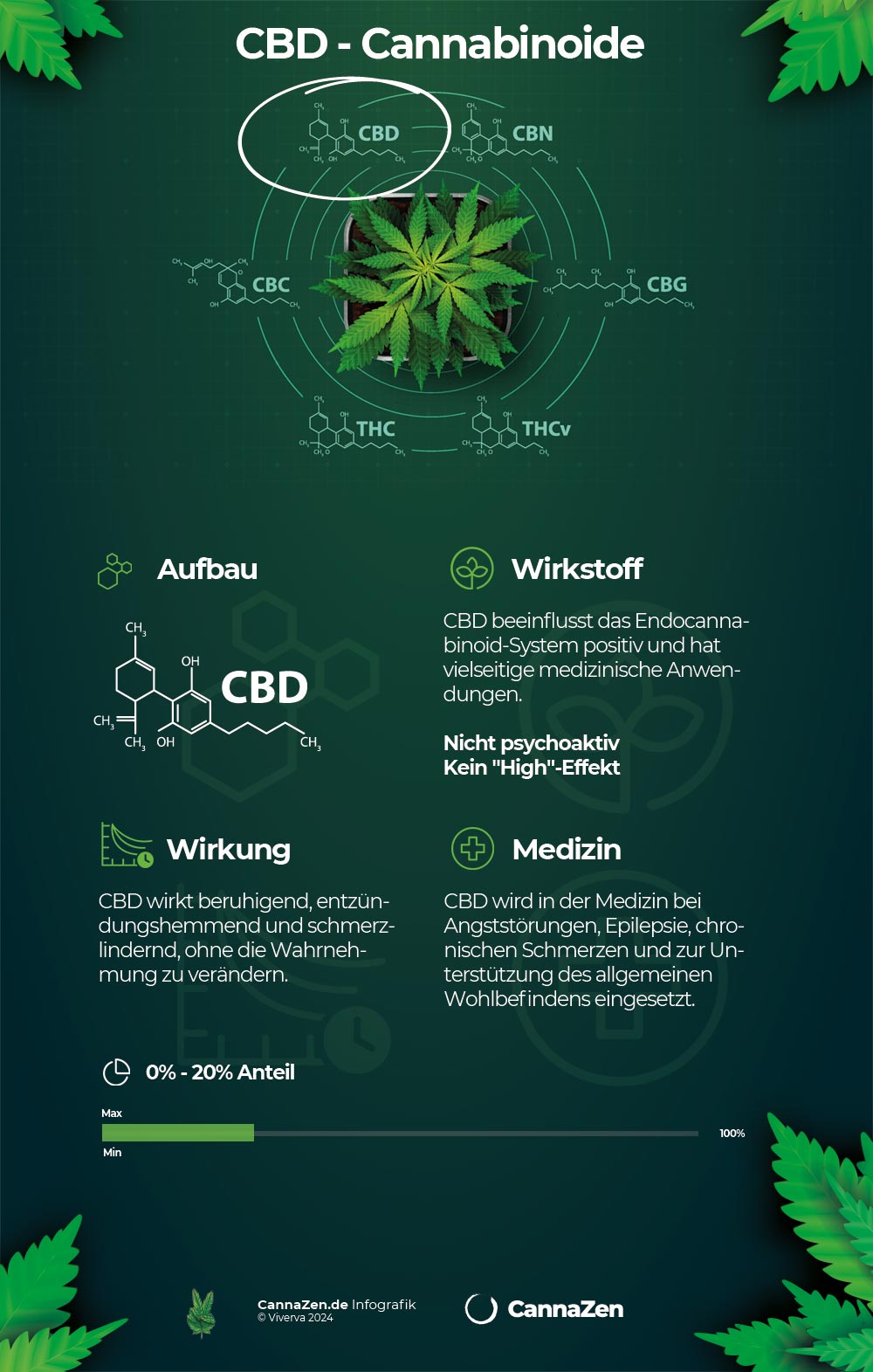
CBD is a non-psychoactive cannabinoid that does not cause intoxication. It mainly acts on the CB2 receptors and has anti-inflammatory, analgesic and anti-anxiety properties. CBD is often used in medical therapy to treat conditions such as anxiety disorders, epilepsy and inflammatory diseases.
Learn more about here:
Cannabinoide in Cannabis: CBD
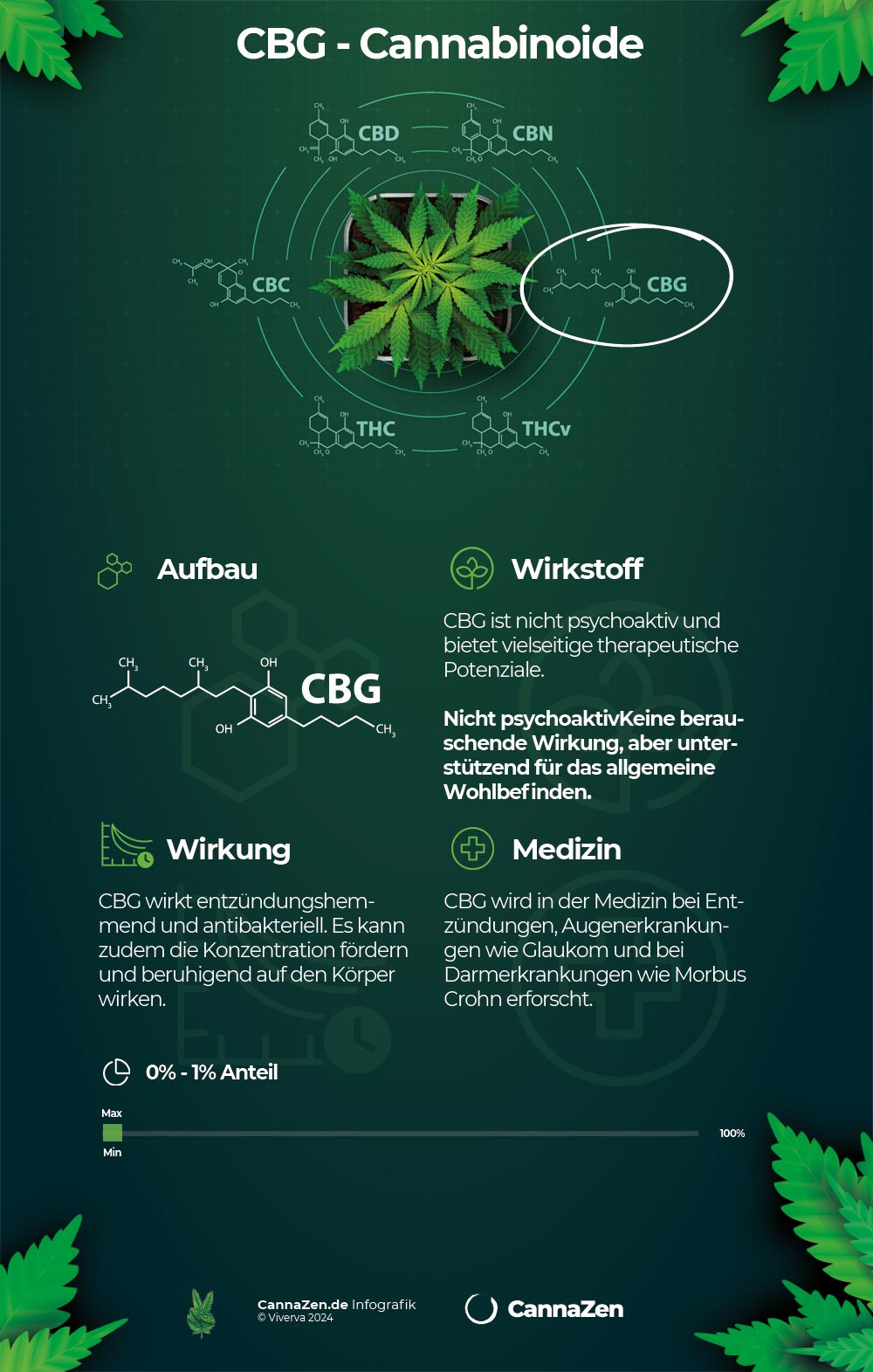
CBG (Cannabigerol)CBG is a non-psychoactive cannabinoid that acts as a precursor to many other cannabinoids. It is being researched for its potential antibacterial and anti-inflammatory properties and could be beneficial in the treatment of glaucoma and inflammatory bowel disease.
Cannabinoide in Cannabis: CBG
CBC (Cannabichromene)
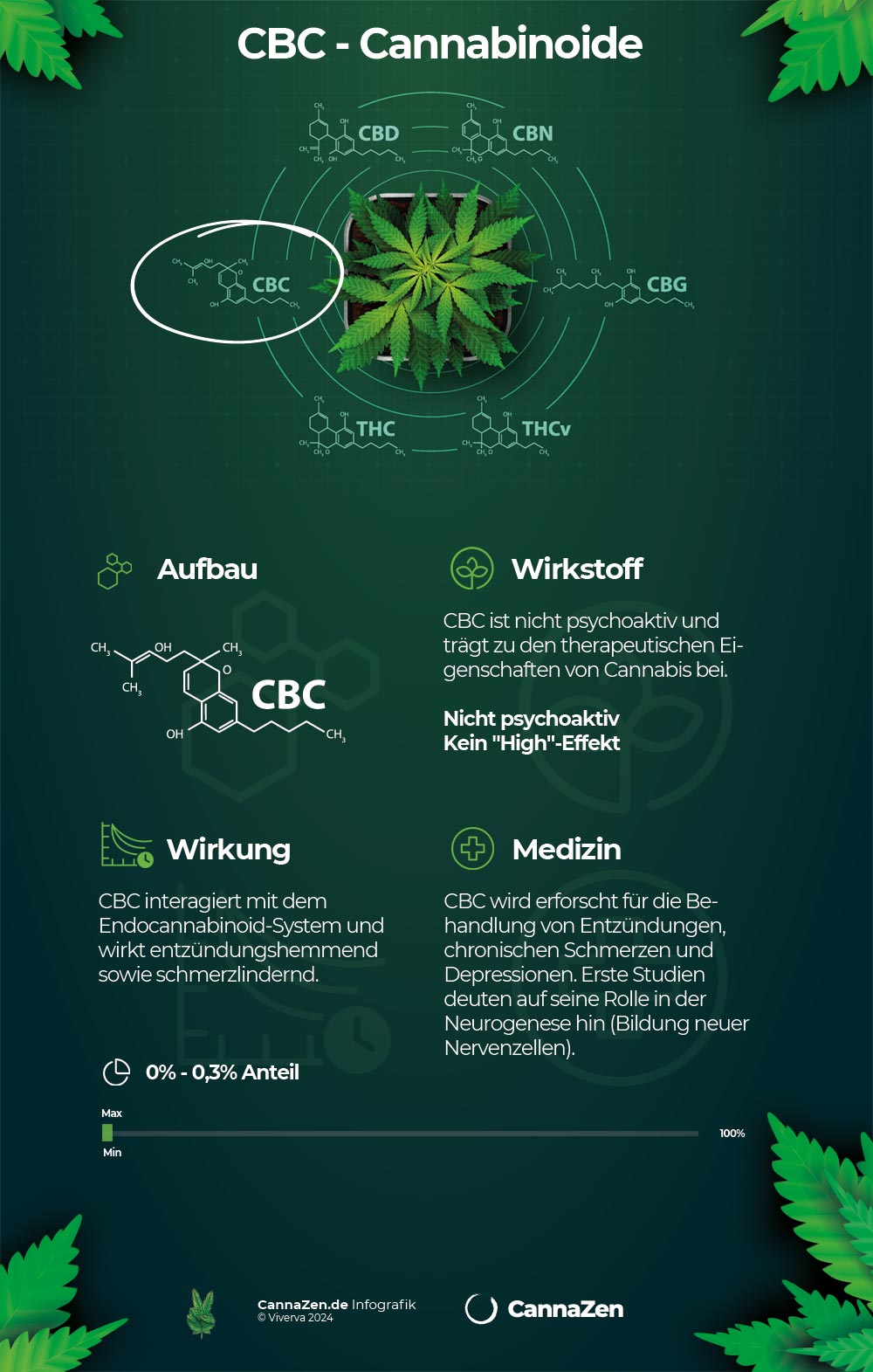
CBC stands for cannabichromene and, like THC, CBD and CBG, is one of the most important cannabinoids of the cannabis plant. In contrast to THC, CBC is not intoxicating, but has subtle but medically relevant effects. Initial studies show that CBC influences the endocannabinoid system and works particularly well with receptors that regulate pain perception, inflammation and mood balance. Read more about here:
Cannabinoide in Cannabis: CBC
CBN (cannabinol)
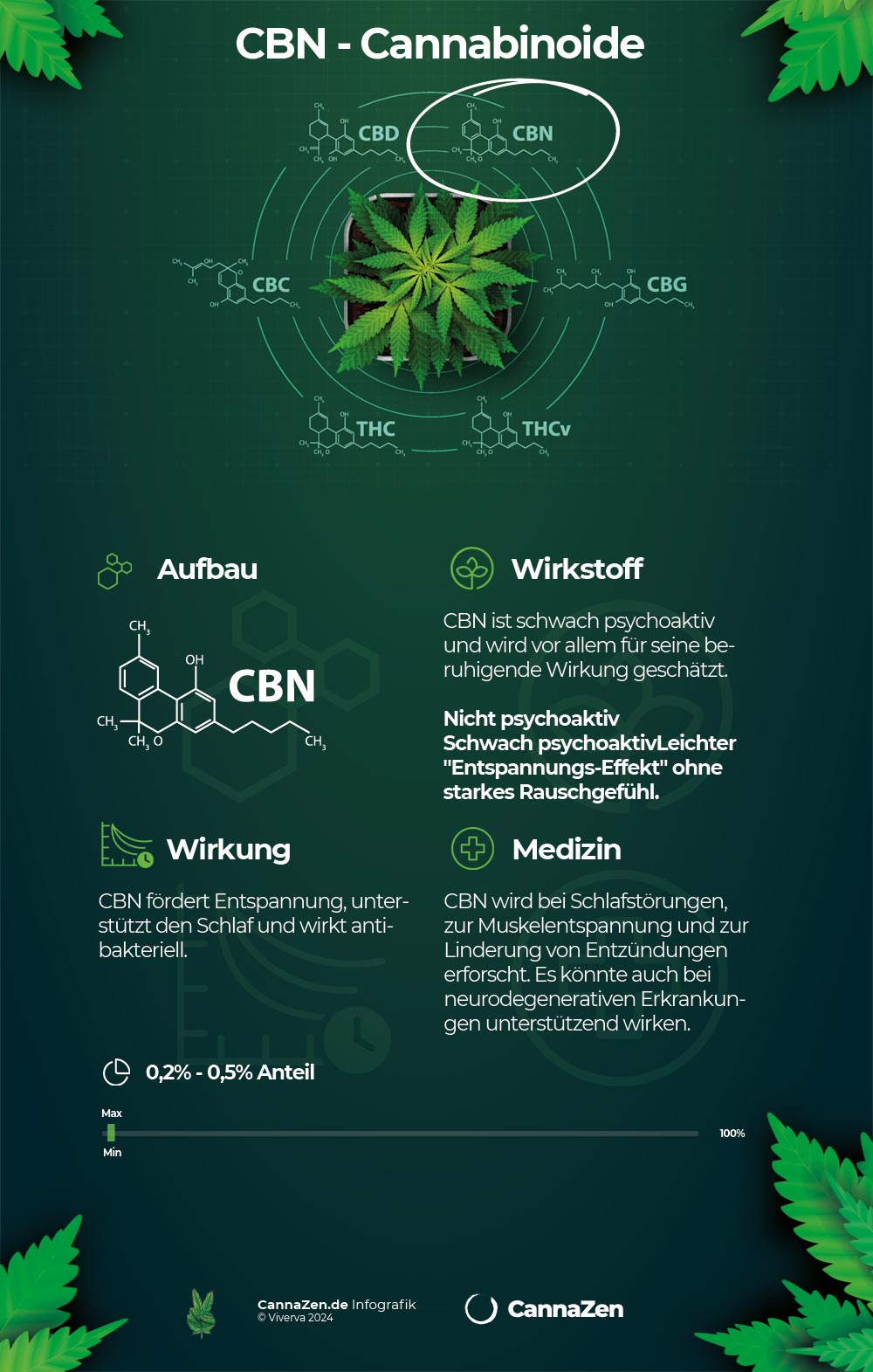
CBN stands for cannabinol and is a naturally occurring cannabinoid of the cannabis plant. It is produced when THC oxidizes over a long period of time – for example through exposure to light or oxygen. Long-stored cannabis flowers therefore often contain higher amounts of CBN. CBN is particularly exciting for research because it could have sleep-inducing, analgesic and antibacterial properties. Unlike THC, however, CBN hardly gets you “high”, but has a subtle and calming effect.
Cannabinoide in Cannabis: CBN
THCV (tetrahydrocannabivarin)
THCV stands for tetrahydrocannabivarin and is a rarer cannabinoid that is mainly found in African landraces such as Durban Poison or Malawi Gold. Unlike THC, it is hardly psychoactive at low doses. In higher doses, however, it can cause mild, clearer intoxicating effects. The potential role of THCV in medicine is particularly interesting: it could regulate metabolism, inhibit appetite and alleviate inflammation.
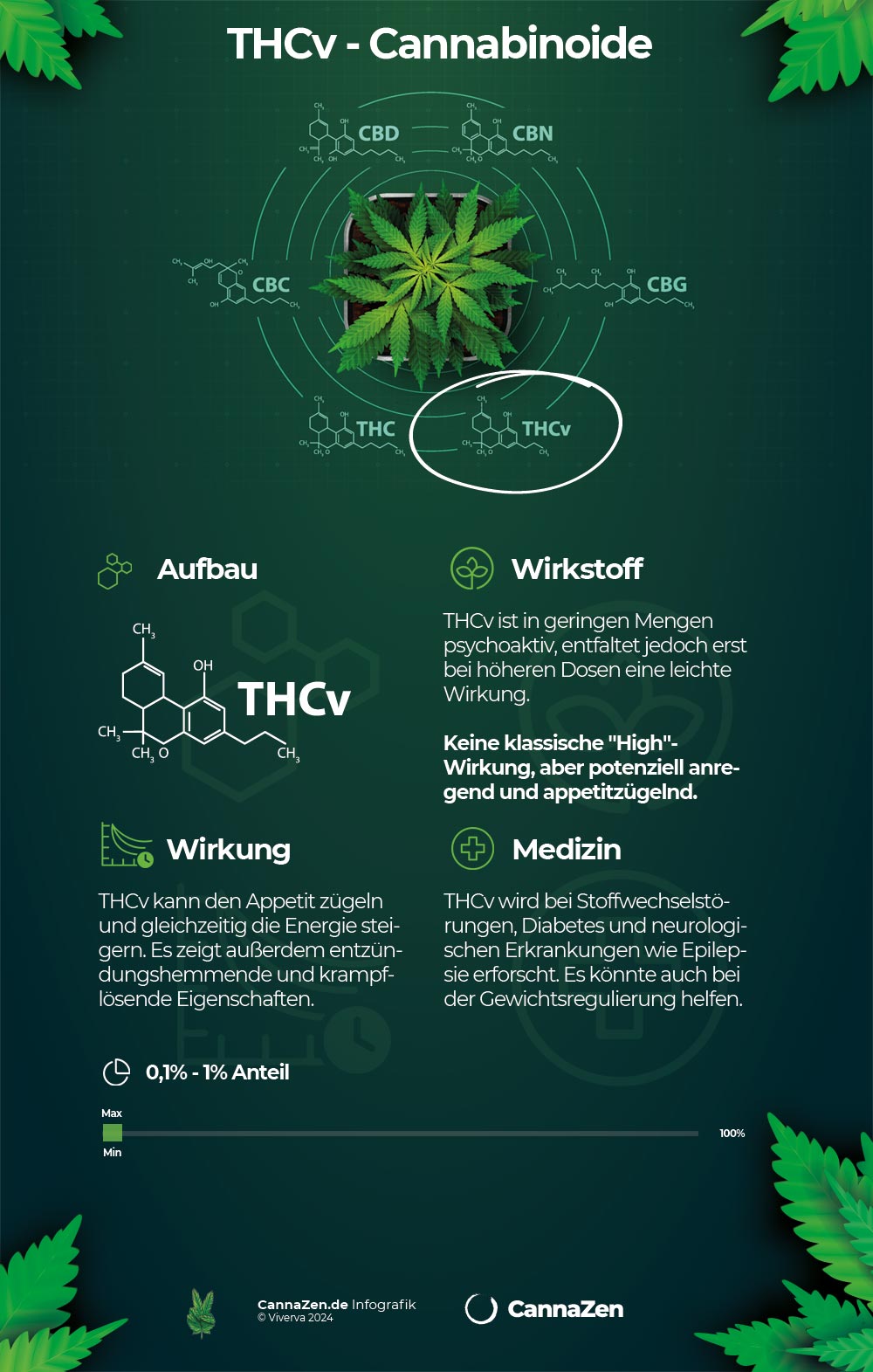
Cannabinoide in Cannabis: THCv
Buy & order cannabis
 Order online in 3 minutes
 4.7 / 5.0 stars(rating)
Thank you for your trust in Augsburg!