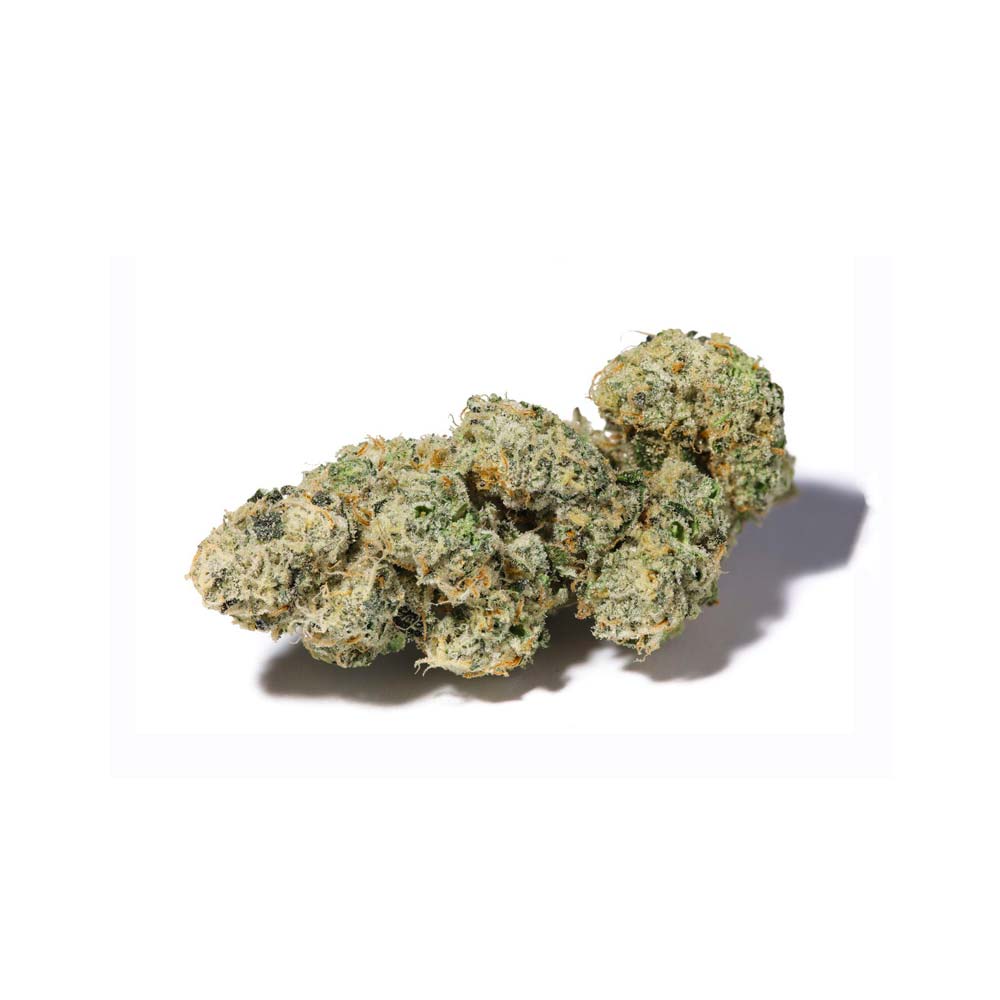

Haze Brothers – While researching Haze varieties, we once again came across these two: Nevil Schoenmakers & The Skunkman. Both have left a legacy: Haze strains. The Haze strain originated in California in the 1970s. It was bred by the legendary Haze Brothers(Nevil Schoenmakers & The Skunkman), who combined various sativa-dominant landraces from Mexico, Colombia, Thailand and India. We can also recommend this short YouTube documentary “The Haze Cannabis Strain: Nevil & The Skunkman”. Let’s go back to the 1970s, to California.
Santa Cruz: The beginnings of Haze
At the end of the 1960s in the Santa Cruz Mountains (near Los Angeles), the early Haze line originated in a hippie community of growers and free spirits. Under the collective name “Haze Brothers”, sativa-dominant landraces were selected and propagated outdoors/under glass. The goal: long-flowering, clear sativa effects with complex aromas – the blueprint for later Haze hybrids.
PS, here again the reference to the source, a wonderful YouTube documentary “The Haze Cannabis Strain: Nevil & The Skunkman”
Who was really behind it?
The term “Haze Brothers” served as a protective shield; the identities remained anonymous. Sources also mention a breeder “G” who circulated seeds and cuttings in the scene. One thing is certain: several breeders crossed landraces over generations, creating a stable, potent sativa base.
- Location: Santa Cruz, California
- Time: late 1960s to 1970s
- Community breeding instead of individual
- Goal: long flowering, clear high
Pop culture & myth: “Purple Haze”
The term “haze” entered pop culture early on. Jimi Hendrix’s “Purple Haze” (1967) predated the first Seedbank catalogs, which led to myths about a direct reference. More likely: the song does not refer to the strain, but to psychedelics – nevertheless, it strengthened the brand effect of the name “Haze” in the public eye.
High Times & Branding
In the 1980s, magazines like High Times pushed the image of a grower utopia in Holland. This narrative increased the demand for “Haze” and spread the name – often faster than the actual genetics traveled. This created a hype that mixed legend and reality.
- Song myth vs. real genetics
- Media push demand
- Haze as a “cult brand”
- Legend & reality mixed up
Genetic matrix: The Haze base
The original Haze is considered a pure sativa compendium. A common breeding pattern: Mexico × Colombia → daughter × South India → daughter × Thailand. Other reports speak of three Colombian sativas. Regardless of the exact sequence: the result was sativa-pure, strong-flavored and today rarely without traces of indica.
Why so special?
The combination of several landraces produced pronounced terpene profiles (citrus, incense, wood, spices) and the typical “soaring” high. The long flowering period made selection challenging – but Haze rewarded this with clarity, length and complexity, which still characterizes modern hybrids today.
- Landraces from 3-4 regions
- Pure sativa structure
- Intense terpene profile
- Long flowering, heavy selection
Sam the Skunkman & Sacred Seeds
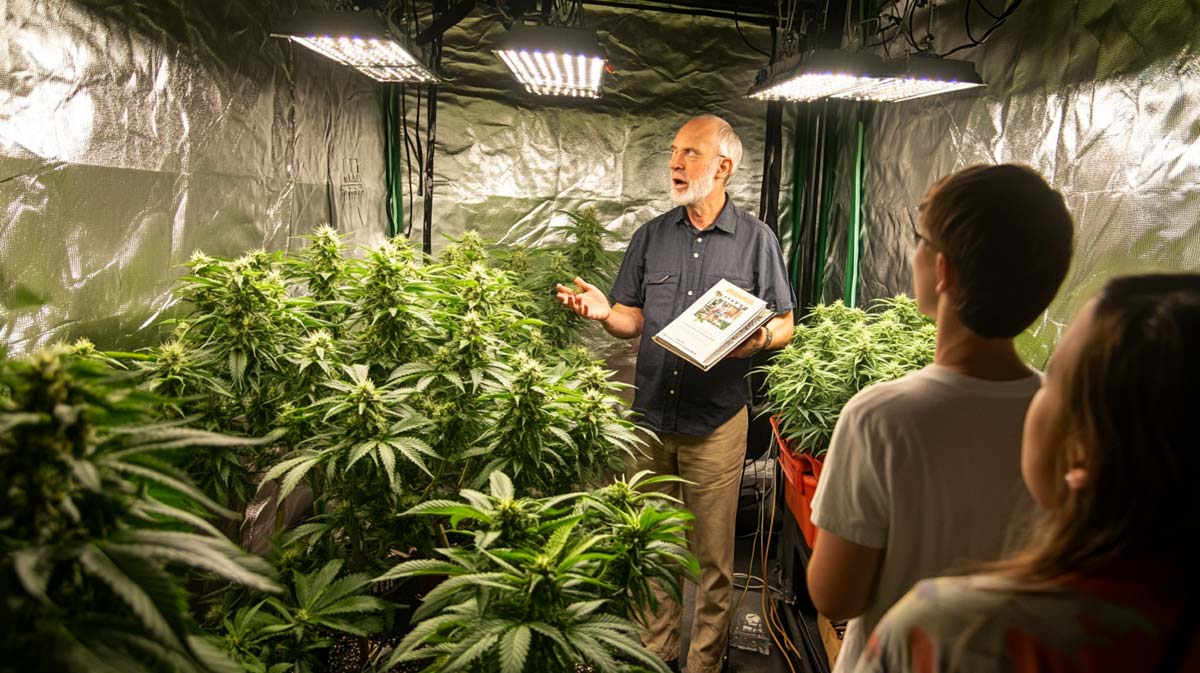
Sam the Skunkman (Symbolbild)
David Paul Watson (“Sam the Skunkman”) was part of Sacred Seeds, collecting, exchanging and stabilizing genetics. After legal pressure in California, he moved to Amsterdam in the 1980s, initially selling Skunk & Co. and later Haze – often as a wholesaler to seedbanks that reproduced or white-labeled.
Amsterdam as a hub
The Netherlands offered a more de facto legal environment so that cultivation, distribution and coffee shops could be professionalized. Haze thus migrated from the US underground scene to European catalogs and became accessible to growers worldwide.
- Sacred Seeds → Europe
- Wholesale instead of end customer
- Reproduction/white label
- Professionalization of breeding
Nevil Schoenmakers & The Seed Bank of Holland

Nevil Schoemakers (Symbolbild)
Nevil founded the Seed Bank of Holland in the 1980s and purchased Haze seeds (male A & C), among others. With NL#5 and other lines, he crossed legendary hybrids such as C5 and “Nevil’s Haze”. These crosses combined “soaring” Haze effects with better cultivability and shaped entire generations of hybrids.
Effect, aroma & selection
Male A/C brought incense, pine, sandalwood and long-lasting, sometimes psychedelic highs. By combining it with NL#5/Skunk, Haze became more robust and consistent – without losing its typical “incense” character.
- Key Males: A & C
- C5, Nevil’s Haze as milestones
- Haze effect + cultivability
- Aromas: incense, wood, citrus
Source: YouTube documentary “The Haze Cannabis Strain: Nevil & The Skunkman”
Operation Green Merchant & Sensei Seeds
With growing visibility came legal pressure: raids, arrests, trials. During this phase, gene pools changed hands, including Nevil’s lines going to Sensi Seeds, where Nevil continued to work for a time. These events further accelerated the spread – and myth-making – surrounding Haze.
Consequences for the scene?
Seedbanks professionalized processes, documented better, standardized names – and drove marketing at the same time. Haze thus became scalable worldwide, but its origins became even more blurred.
- Legal pressure as a catalyst
- Transfer of gene pools
- Standardization & brands
- More myth, less clarity
Green House, Mr. Nice & modern classics
Later, Nevil, Shantibaba(Mr. Nice) and Arjan (Green House) worked on projects that led to Super Silver Haze (Haze × Skunk × NL#5) and Super Lemon Haze (Lemon Skunk × SSH). These strains won cups, set flavor benchmarks and made Haze accessible to a mass audience.
Why these hybrids in particular?
They combined Haze “lift” with lemon freshness, yield and ripening time, which were more practical for indoor/commercial use. They became reference points for later Citrus Haze lines and made their mark on coffee shops worldwide.
- SSH: Haze × Skunk × NL#5
- SLH: Lemon Skunk × SSH
- Cup winners & benchmarks
- Wide availability
New York “Piff” & regional dialects
The US East Coast established its own Haze cult (“Piff”, “Uptown Haze”). Names varied according to spots, not strains – the network shaped terminology and demand. Presumably, C5 genetics were also incorporated here, which explains the scent (incense) and effect.
How do such legends come about?
Local selections, word of mouth, nicknames and fluctuating consistency create their own mythology. This is how “Piff” & Co. became cultural codes – often more important than exact family trees.
- Spot names instead of strain names
- Frankincense, “churchy”, long
- Suspected C5 connections
- Culture shapes nomenclature
Still Piff!
Cannabis legends & crossbreeding
Read more about here: