Multiple sclerosis is a chronic inflammatory disease of the central nervous system. Those affected experience muscle spasticity, nerve pain, movement disorders, exhaustion and sensory deficits. Since the partial legalization of cannabis, many people have been asking themselves: can MS now simply be treated with cannabis? Experts say – yes, cannabis helps to some extent, but not uncontrolled, but targeted & standardized. Click here to return to the overview: Cannabis as a medicine for diseases.
MS and cannabis: what is useful, what is not?
The new legal situation means that plants can be grown and consumed privately in Germany. However, Professor Peter Flachenecker clearly warns against treating MS on your own. Reason: THC and CBD content fluctuate greatly, dosage is unknown – effects and side effects are then unpredictable.
“I advise against home cultivation – you don’t know how much THC or CBD is in the plant,” says Professor Peter Flachenecker
He advises:
- Private cultivation → no active ingredient control
- Dosage unsafe & risky
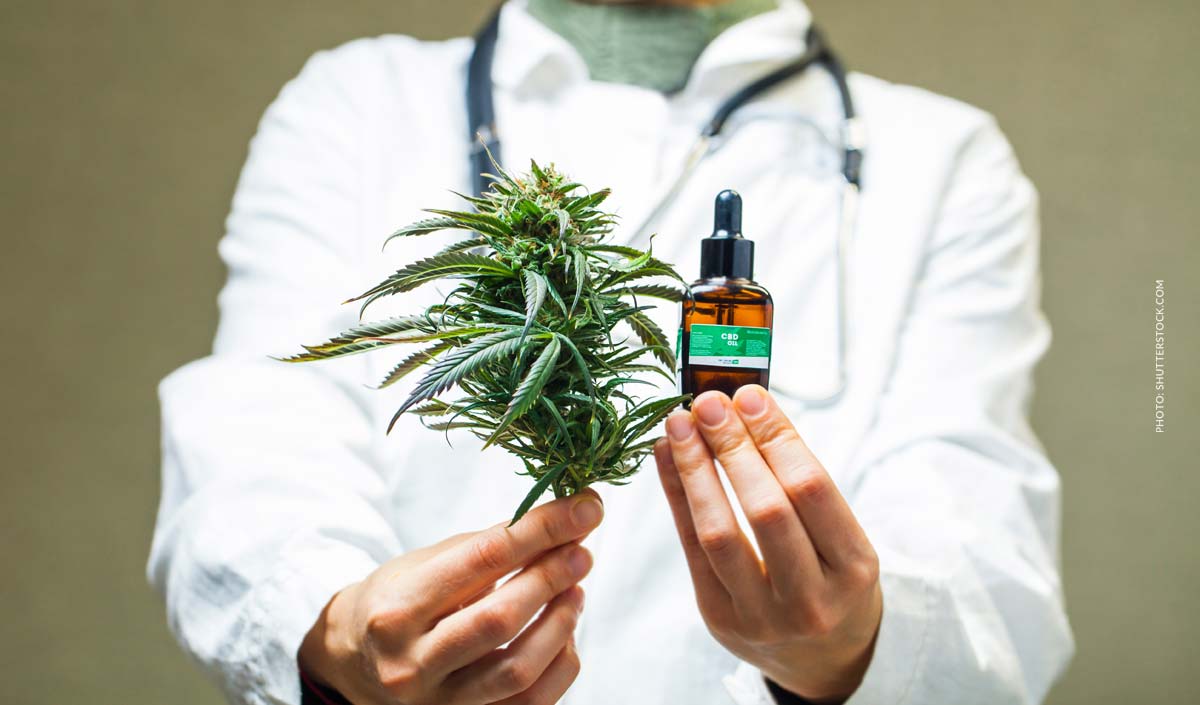
- Better to use medical preparations
Medical standard: Nabiximols (Sativex) as an oral spray
There is already an approved cannabis medication for MS spasticity: Nabiximols, trade name Sativex. An oral spray that contains THC and CBD in a fixed, controlled dose. Approved since 2011 – since legalization, it can even be prescribed on a normal prescription.
“Each spray contains the same amount of THC and CBD – that’s the key advantage.”
- Exact dosage per spray
- Clinically proven efficacy for MS spasticity
- Side effects & effect well documented
Smoking with MS: Why it is problematic
Many people spontaneously reach for the flower – a risk, says the expert. Incalculable THC content can lead to overdose and even muscle weakness. Smoking also worsens the MS itself and increases the risk of relapses.
- THC quantity unclear → risk of overdose
- Smoking can worsen the course of MS
- Better spray, oil or pharmaceutical extracts
Using cannabis correctly: What MS patients should consider
Cannabinoids can help – especially against spasticity, pain, sleep problems & bladder disorders. However, they should be used under medical supervision. Self-therapy is not ruled out, but it is more risky. A controlled, standardized product from the pharmacy is therefore always recommended.
- Cannabis can reduce spasticity & pain
- Medically → safer, clearly dosable
- Treatment should be medically supervised
Conclusion: cannabis can help – but dosed correctly
Medical cannabis is not a miracle cure, but it is an effective tool for MS spasticity when used correctly. Home growing and smoking are not optimal from a medical point of view. Standardized medicines such as Sativex offer greater safety, more consistent effects & fewer risks.
- Cannabis yes – but controlled
- Spray instead of joint
- Plan with a doctor, don’t test alone