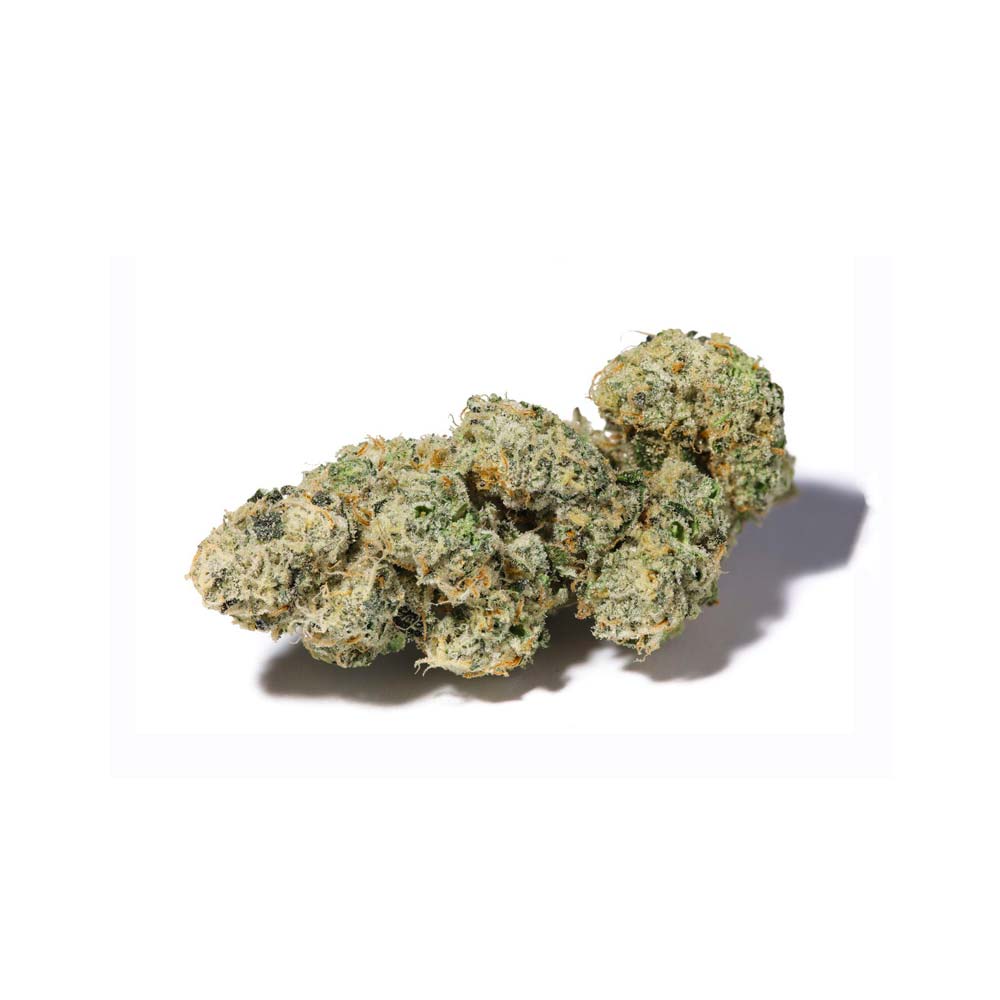
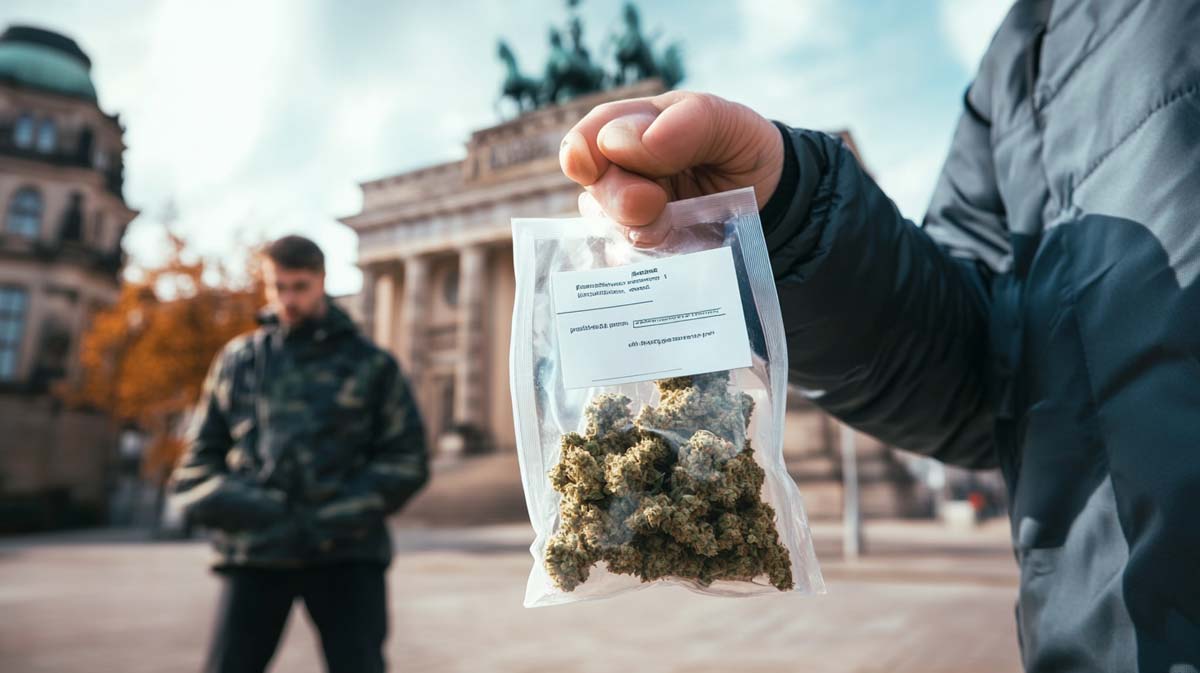
Cannabis has been legal in Germany since April 1, 2024. But with its legalization come new challenges: Bureaucracy, the black market and the protection of minors. Is legalization a success or will it remain a half-measure? A look at the opportunities and problems.
Legalization: a paradigm shift
Did you know?
Cannabis has been illegal since 1929 – now it’s legal! But we are still in Germany and that means bureaucracy. Lots and lots of bureaucracy. Here is an insight!
After decades of prohibition, the Bundestag has decided to legalize it. Adults are now allowed to grow up to 3 plants privately and possess 50 grams. In addition, Cannabis Social Clubs (CSC) are being set up to enable communal cultivation.
- Cannabis banned since 1929 – now legal
- Adults may grow up to 3 plants privately
- Clubs enable communal cultivation
The role of the Federal Council and resistance
Although legalization was decided, there were fierce debates. Conservative politicians in particular are critical of the reform and fear increased consumption and social damage.
- CDU and CSU reject legalization
- Criticism of youth protection and black market regulation
- SPD compromises led to the delay
Watch the whole documentary
Here you can watch the whole documentary from MDR Investigativ in full length. No time to stream? I have briefly summarized the most important facts for you below the video.
Black market: is it really being suppressed?
One of the main aims of legalization is to curb the black market. However, dealers do not expect any drastic losses – on the contrary, some even see benefits from the new rules.
- Dealers can grow their own legal crops
- Stricter controls for commercial trade
- Price war between the legal and illegal market
Why the black market could continue to exist
Experts warn that the black market will adapt. Lower prices, no bureaucratic hurdles and the fear of registration could mean that many consumers will continue to resort to illegal offers.
- Illegal cultivation remains lucrative
- Many consumers do not want club membership
- Price differences between legal and illegal weed
The phenomenon is also known from California: despite legal business, the black market remains. Here is an example from Humboldt County (USA) after legalization.
Bureaucracy: a hurdle for the legal market?
If you want to grow cannabis legally in a social club, you have to fulfill numerous requirements. Location, membership administration, cultivation regulations – all this puts many people off.
- Strict controls for cannabis social clubs
- Lengthy approval procedures
- High costs for cultivation and infrastructure
Challenges for clubs and consumers
While some social clubs are already setting up their first structures, many founders are facing problems: Costs, permits and the slow implementation of legislation could put the brakes on expansion.
- Founding a club often costs over €70,000
- Approvals may be delayed
- Unclear regulations in the federal states
Medical cannabis: Still expensive
 Legalization does not only bring advantages for patients who are dependent on cannabis. Many still have to pay high costs for medicinal cannabis, as health insurance companies often do not cover it.
- 170,000 patients use medicinal cannabis
- Cost of prescribed weed often around €10-12 per gram
- Pharmacy quality vs. home-grown: safety vs. risk
Why patients don’t simply grow their own food
Many patients continue to prefer pharmacy cannabis. Cultivation is time-consuming, can fail and is associated with strict rules.
- Self-cultivation requires technical equipment
- High investment costs for home growing
- No guarantee of consistent quality
Criticism of legalization
While some celebrate legalization, others see risks. Some experts warn of increasing addiction, mental illness and possible disadvantages for society.
- Rising consumption rates in all age groups
- Psychological effects on young people
- Criticism of inadequate protection of minors
CDU Interior Minister Schuster against legalization
Saxony’s Interior Minister Armin Schuster believes the reform is a mistake. He sees parallels with alcohol and tobacco and fears long-term damage to society.
- Comparison with alcohol and its social damage
- Fears: cannabis use continues to rise
- Legalization could be reversed in the future
What does the future hold?
Whether legalization will be a success in the long term remains to be seen. Developments over the next few years will show whether the black market will really be pushed back or whether bureaucratic hurdles will hinder the legal market.
- Is the black market really being driven out?
- To what extent do bureaucratic hurdles apply?
- How is social acceptance changing?
Conclusion: A right step with problems
The legalization of cannabis is an important step for Germany. However, high bureaucratic hurdles, unanswered questions about combating the black market and a lack of regulations for medicinal cannabis show that much still needs to be improved.
- Legalization was necessary, but incomplete
- Black market remains a challenge
- Patients only benefit to a limited extent
- Bureaucracy slows down the
Cannabis News with Zen FantasticLife
Do you already know CannaZen on YouTube? Cannabis, legalization, laws and everything important from the Bundestag! Save our news & politics playlist. Don’t miss a video, follow us now on: CannaZen x YouTube.