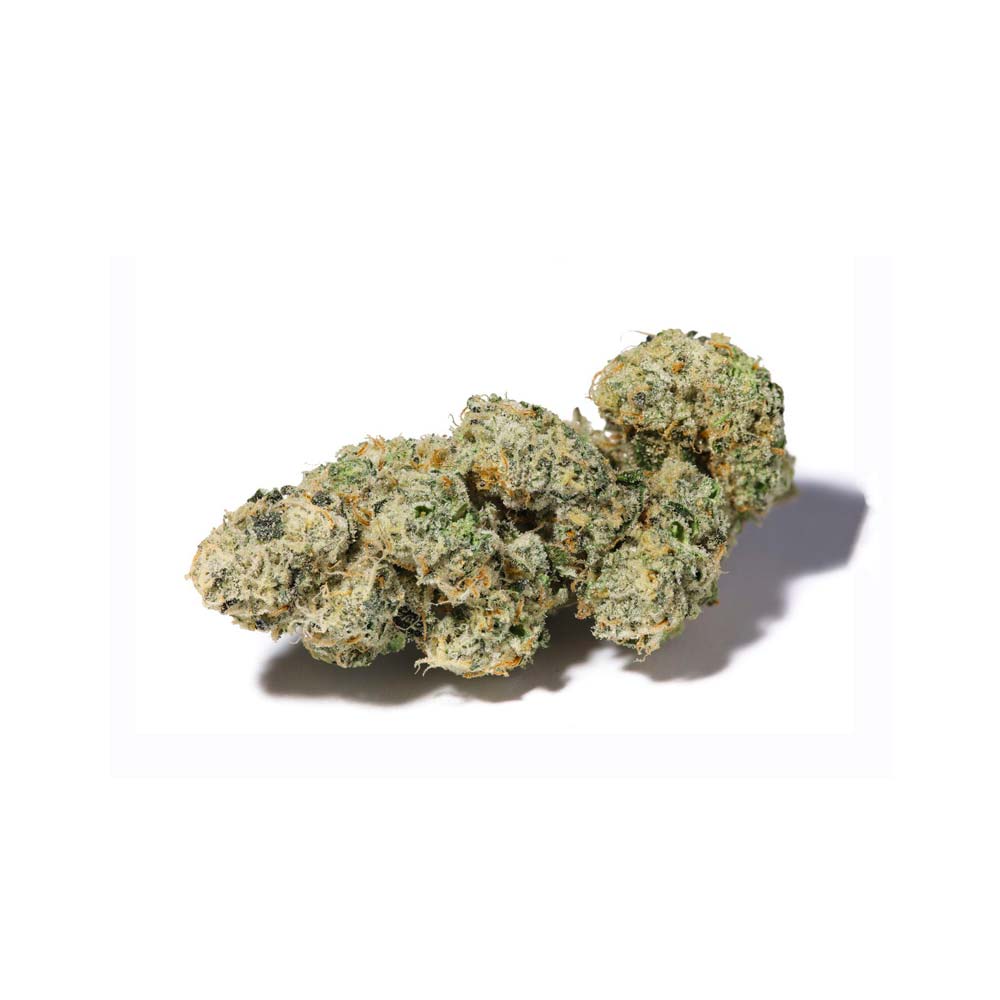

Spasticity is a neurological disorder characterized by uncontrolled muscle spasms. Spasticity often occurs in diseases such as multiple sclerosis, after strokes or spinal cord injuries. It is estimated that around 250,000 people in Germany suffer from a spastic movement disorder. While traditional medication does not always help sufficiently or has side effects, many sufferers rely on medicinal cannabis with THC as an alternative treatment option. Back to overview: medical cannabis for diseases.
What spasticity is and what causes it
Spasticity refers to an abnormal increase in muscle tone that leads to uncontrolled cramps. Those affected experience stiff, uncontrolled movements that are often associated with pain. The cause lies in damage to the nervous system, which impairs the control of muscle movements.
The most common causes of spasticity are neurological diseases or injuries that disrupt the transmission of signals between the brain and muscles.
- Multiple sclerosis (MS)
- Stroke or brain injury
- Spinal cord injuries
- Cerebral palsy
- Neurological diseases such as ALS
Helpful links on spasticity:
- German Multiple Sclerosis Society – Information & support for MS-related spasticity
- Heidelberg University Hospital – Treatment options & research
- Fördergemeinschaft der Querschnittgelähmten – Advice & help with spastic paralysis
How THC works in the body and why it can help
THC influences the so-called endocannabinoid system (a part of the nervous system that regulates muscle control, among other things). Researchers suspect that THC can help to reduce excessive muscle tension and thus alleviate uncontrolled movements.
- Can reduce muscle cramps
- Can relieve pain caused by cramps
- Can improve mobility
You can find out more about medicinal cannabis in our article on cannabis on prescription.
What studies on THC and spasticity show
Several scientific studies have investigated whether THC can help with spasticity. Initial research results show that cannabis can reduce muscle tension and relieve pain. The Barmer health insurance company provides information on the medical use of cannabis.
- Can loosen muscle cramps
- Can improve quality of life
- Can alleviate accompanying pain
Experiences: How THC can help in everyday life
Many people with spasticity report positive experiences with THC. Here are two case studies:
Julia W. from Berlin, 39:
“I live with multiple sclerosis and often had painful muscle spasms. THC helps me to relax my muscles and move better again.”
Peter Z. from Apolda, 45:
“After a spinal cord injury, I had severe spasticity that limited my quality of life. With THC, I can move more freely and have less pain.”
What THC products are available?
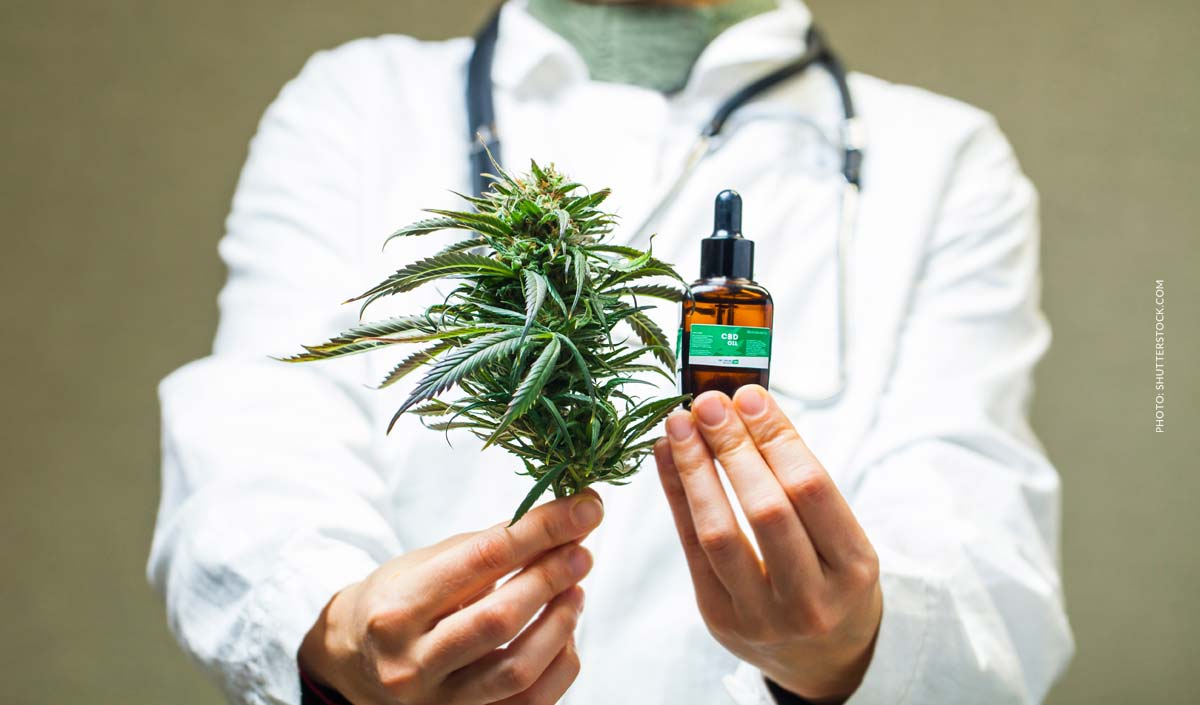
THC-Blüten, Extrakt, Edibles & Co.
THC can be consumed in various forms. Some products work faster, others longer. The choice of the right method depends on individual needs.
- Flowers for inhalation (quick effect)
- Oil for targeted dosing
- Capsules for a uniform effect
- Sprays for easy application
You can find out more about the different options in the article on cannabis on prescription.
What advantages and disadvantages there are
THC can help to alleviate the symptoms of spasticity. However, there are a few things to keep in mind.
- Can reduce muscle cramps
- Can relieve pain
- Can cause fatigue in high doses
- Short-term memory problems possible
Other methods for treating spasticity
In addition to THC, there are many other ways to reduce spasticity. These methods can help:
- Physiotherapy for muscle relaxation
- Heat and cold applications
- Regular exercise to improve muscle control
Frequently asked questions about THC and spasticity
 Here are three frequently asked questions from patients:
Does THC help immediately against spasticity?
THC can help reduce muscle spasms in the short term, but is not a long-term cure.
Is THC addictive?
In controlled medical doses there is no high risk of addiction.
Can I get THC for spasticity without a prescription?
In Germany, medicinal cannabis is only available on prescription. However, THC can also be consumed in social clubs under certain conditions.
Five tips for dealing better with spasticity
Spasticity can have a major impact on everyday life. In addition to THC, there are simple things that can help.
- Regular stretching exercises to relax the muscles
- Heat or cold therapy to relax the muscles
- Relaxation techniques such as meditation or breathing exercises
- Physiotherapy and targeted exercise
- Eat a healthy diet to reduce inflammation
Anyone suffering from spasticity should speak to a doctor about the best treatment. Even small changes can often help to improve quality of life.
Medical cannabis as a treatment
Are you interested in the practical application of medicinal cannabis? Studies on cannabis show how THC is being used more and more. Learn more here, here you come back to the overview:
THC-Blüten, Extrakte, Edibles & Co.