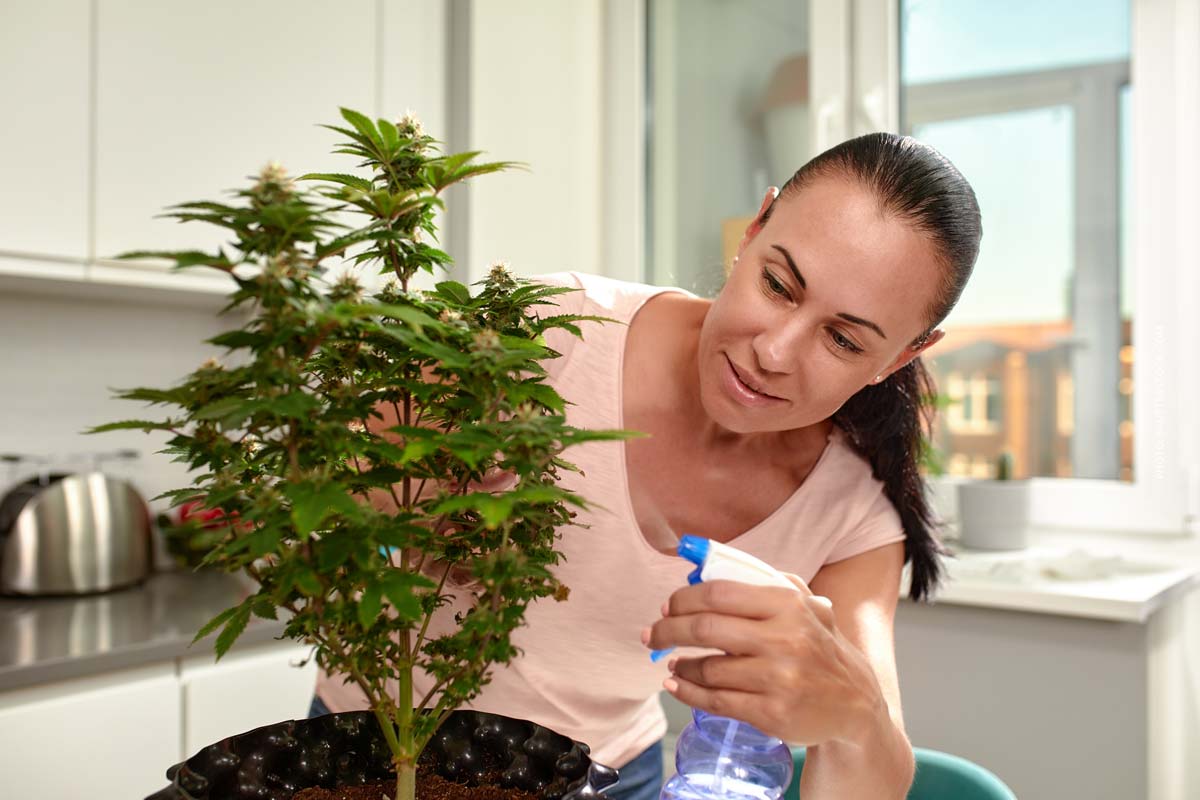
Autoflowering Strains UK — Complete Guide to Growing & Top Varieties
Autoflowering strains UK cultivation has become increasingly popular among both recreational and medical cannabis enthusiasts. These distinctive varieties offer unique advantages that make them particularly appealing to UK growers navigating the country’s specific climate and regulatory landscape. Understanding what autoflowering strains are, how they perform, and which varieties suit UK conditions is essential for anyone considering cultivation.
What Are Autoflowering Cannabis Strains?
Autoflowering cannabis strains represent a significant evolution in cannabis breeding. Unlike traditional photoperiod varieties that depend on light cycle changes to trigger flowering, autoflowering strains automatically transition from vegetative growth to flowering based on age rather than light exposure. This characteristic typically occurs between 2-4 weeks of growth, regardless of the light cycle provided.
The autoflowering trait originated from Cannabis ruderalis, a hardy subspecies native to regions with extreme climates. Breeders crossed ruderalis genetics with high-quality photoperiod strains to create modern autoflowering varieties that maintain potency whilst retaining the automatic flowering mechanism. This genetic breakthrough has revolutionised cannabis cultivation globally, and UK growers particularly benefit from these innovations.
The United Kingdom’s unpredictable weather patterns and limited daylight hours during winter months create challenges for traditional photoperiod cannabis cultivation. Autoflowering strains UK growers utilise offer several compelling advantages for the British climate.
Firstly, the shorter lifecycle—typically 8-10 weeks from seed to harvest—means growers can complete multiple cycles during a single growing season. This accelerated timeline reduces exposure to British weather variables and pest pressures. Studies indicate that UK indoor growers can achieve 3-4 harvests annually using autoflowering strains, compared to 1-2 with photoperiod varieties.
Secondly, autoflowering strains generally remain compact, rarely exceeding 60-100cm in height. This characteristic makes them ideal for UK indoor cultivation spaces and discreet outdoor growing. Their modest size also reduces electricity consumption for lighting and climate control, making cultivation more economically feasible.
Additionally, autoflowering strains UK cultivators favour demonstrate remarkable resilience. These varieties typically exhibit stronger genetics and greater stress tolerance, crucial traits for navigating British weather fluctuations and pest management without chemical interventions.
Top Autoflowering Strains for UK Growers
Several autoflowering varieties have gained prominence amongst UK cannabis enthusiasts due to their reliability, yield potential, and cannabinoid profiles.
Northern Lights Auto represents the gold standard for UK cultivation. This strain delivers consistent yields of 400-500g per square metre indoors, requires minimal expertise, and produces balanced THC/CBD profiles suitable for medical applications. The strain’s hardiness makes it forgiving for beginning cultivators.
Girl Scout Cookies Auto appeals to those seeking higher potency. With THC levels typically reaching 20-25%, this variety produces dense, resinous buds with complex flavour profiles. The 9-week flowering period suits UK seasonal variations exceptionally well.
Royal Haze Auto offers substantial yields and vigorous growth characteristics. Reaching approximately 80cm indoors, this strain combines Sativa genetics for uplifting effects with reliable autoflowering traits. Its resistance to common UK plant pathogens makes it particularly valuable.
Critical Auto stands out for medicinal cultivators seeking higher CBD concentrations. This strain produces balanced cannabinoid ratios, making it suitable for users exploring therapeutic applications without excessive psychoactive effects.
Amnesia Auto satisfies growers wanting potent, characterful harvests. Though requiring slightly more attention than easier varieties, the impressive yields and distinctive phenotype justify the investment for experienced cultivators.
Indoor vs. Outdoor Autoflowering Cultivation in the UK
UK growers must decide between indoor and outdoor cultivation environments for autoflowering strains. Each approach presents distinct advantages and considerations.
Indoor cultivation offers complete environmental control, enabling consistent results regardless of British weather. UK indoor growers typically invest in LED lighting systems, with costs ranging from £200-800 depending on grow space size. Indoor cultivation allows three growing cycles annually, with yields averaging 400-600g per square metre under optimal conditions.
Outdoor cultivation in the UK presents greater challenges but substantially reduces operational costs. Autoflowering strains can complete their lifecycle during British summer months (May-September), avoiding extended autumn rains and frosts. However, outdoor yields typically range from 30-150g per plant, dependent upon weather conditions and location within the UK.
Essential Growing Requirements
Autoflowering strains UK growers cultivate require specific environmental parameters for optimal performance. Temperature ranges of 20-25°C promote vigorous growth, whilst humidity levels between 40-60% prevent mould and pest proliferation—critical considerations for the UK’s damp climate.
Nutrients demand careful management. Autoflowering varieties benefit from consistent nitrogen during early growth, transitioning to phosphorus and potassium-rich formulations during flowering. The shortened lifecycle (8-10 weeks total) means nutrient uptake differs substantially from photoperiod strains, necessitating adjusted feeding schedules.
Watering protocols must balance moisture with drainage. UK humidity already elevates moisture levels, so overwatering represents a significant risk. Soil-based cultivation typically requires watering every 2-3 days, whilst hydroponic systems demand daily monitoring and adjustment.
Yield Expectations and Harvest Timing
Realistic yield projections help UK cultivators plan appropriately. Indoor autoflowering cultivation typically produces 1.5-2.5 grams per watt of lighting. A modest 200-watt LED setup generates 300-500g per harvest cycle, multiplied across three annual cycles.
Outdoor yields depend significantly upon location and seasonal timing. Southern UK locations (Sussex, Kent, Surrey) achieve higher yields due to superior light exposure and marginally warmer temperatures compared to northern regions. Most outdoor UK growers expect 50-100g per plant under reasonable conditions.
Harvest readiness indicators include trichome colouration (translucent to amber stages) and pistil darkening. Autoflowering strains typically signal completion through wilting leaf tips and slowing growth rates, approximately 8-10 weeks after germination.
Legal and Practical Considerations in the UK
Whilst medical cannabis remains accessible through prescription in limited circumstances, recreational cultivation remains legally restricted in the United Kingdom. Potential cultivators must thoroughly understand current legislation before proceeding. However, knowledge acquisition and preparation for potential legal changes remains worthwhile.
Autoflowering strains UK growers may eventually cultivate legally represent an opportunity for medical patients seeking alternative treatment approaches and enthusiasts pursuing horticultural knowledge development.
Conclusion
Autoflowering strains UK cannabis cultivation represents an accessible, efficient growing methodology perfectly suited to British climatic conditions and spatial constraints. Their shortened lifecycles, compact growth patterns, and reliable genetics make autoflowering varieties increasingly valuable. Whether pursuing horticultural excellence, medical applications, or recreational interests, understanding autoflowering strains UK growers favour provides essential knowledge for anyone considering cannabis cultivation as skills develop and legal frameworks potentially evolve.
“`
Medical Disclaimer: This content is for informational purposes only and does not constitute medical advice. Medical cannabis is a prescription-only medicine in the UK. Always consult a qualified healthcare professional. CannaZen is an information platform, not a medical provider.
https://cannazen.co.uk/wp-content/uploads/2026/01/cannazen-shop-lieferung-cannabis-weed-hanf-online-rezept-arzt-apotheke.svg00CannaZen UK Editorial Teamhttps://cannazen.co.uk/wp-content/uploads/2026/01/cannazen-shop-lieferung-cannabis-weed-hanf-online-rezept-arzt-apotheke.svgCannaZen UK Editorial Team2026-05-14 20:29:252026-05-15 18:52:18Autoflowering Strains UK — Guide, Top Varieties
We may request cookies to be set on your device. We use cookies to let us know when you visit our websites, how you interact with us, to enrich your user experience, and to customize your relationship with our website.
Click on the different category headings to find out more. You can also change some of your preferences. Note that blocking some types of cookies may impact your experience on our websites and the services we are able to offer.
Essential Website Cookies
These cookies are strictly necessary to provide you with services available through our website and to use some of its features.
Because these cookies are strictly necessary to deliver the website, refusing them will have impact how our site functions. You always can block or delete cookies by changing your browser settings and force blocking all cookies on this website. But this will always prompt you to accept/refuse cookies when revisiting our site.
We fully respect if you want to refuse cookies but to avoid asking you again and again kindly allow us to store a cookie for that. You are free to opt out any time or opt in for other cookies to get a better experience. If you refuse cookies we will remove all set cookies in our domain.
We provide you with a list of stored cookies on your computer in our domain so you can check what we stored. Due to security reasons we are not able to show or modify cookies from other domains. You can check these in your browser security settings.
Google Analytics Cookies
These cookies collect information that is used either in aggregate form to help us understand how our website is being used or how effective our marketing campaigns are, or to help us customize our website and application for you in order to enhance your experience.
If you do not want that we track your visit to our site you can disable tracking in your browser here:
Other external services
We also use different external services like Google Webfonts, Google Maps, and external Video providers. Since these providers may collect personal data like your IP address we allow you to block them here. Please be aware that this might heavily reduce the functionality and appearance of our site. Changes will take effect once you reload the page.
Google Webfont Settings:
Google Map Settings:
Google reCaptcha Settings:
Vimeo and Youtube video embeds:
Other cookies
The following cookies are also needed - You can choose if you want to allow them:
Privacy Policy
You can read about our cookies and privacy settings in detail on our Privacy Policy Page.