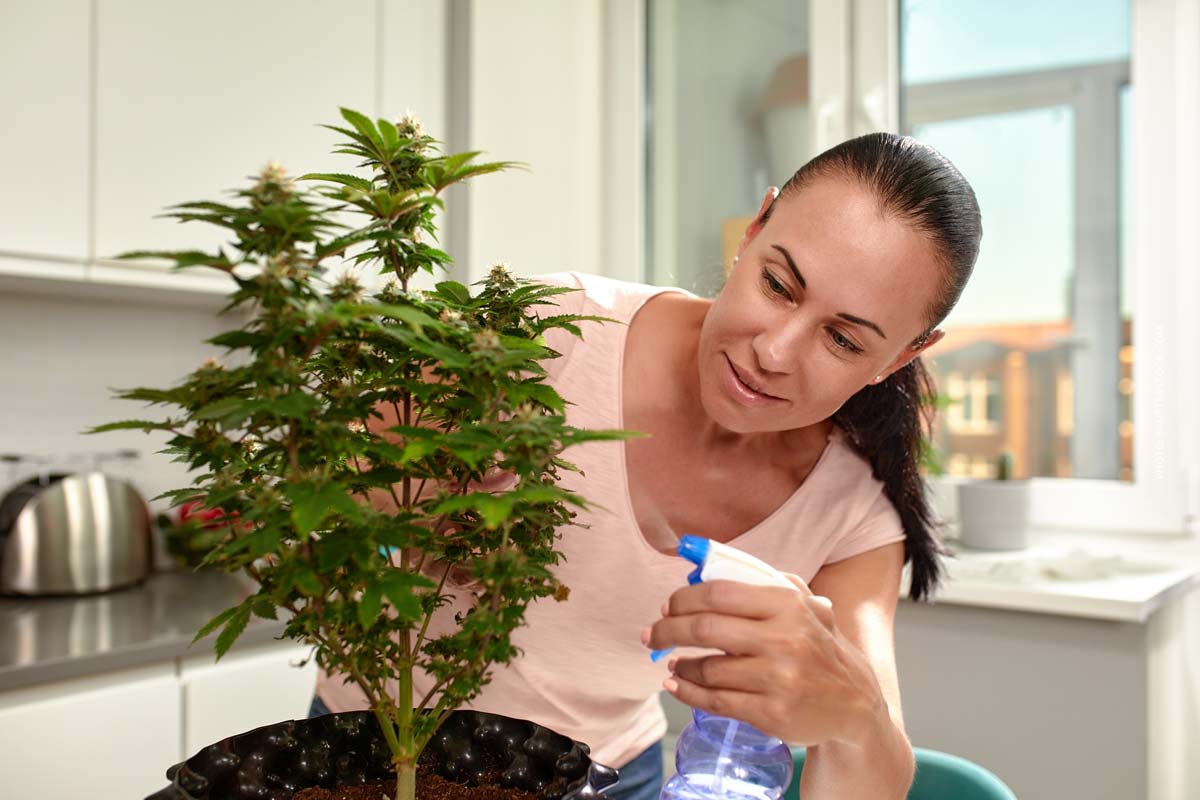
Cannabis cultivation Flowering phase: The crucial time in cannabis cultivation – The flowering phase is the highlight of cannabis cultivation and probably the most exciting time for any grower. During this phase, the plants begin to produce the coveted flowers that will eventually be harvested. After weeks of care in the growth phase, the success of your cultivation is determined in the flowering phase. It is important for you to monitor this phase closely and adjust the needs of your plants in terms of light, nutrients, temperature and humidity to achieve maximum yields and the best possible quality of flowers. Back to all cannabis growing tips here. No time to wait? Then go directly to our store here.
What happens during the flowering phase?
During the flowering phase, the plant’s focus changes from growth to flower production.
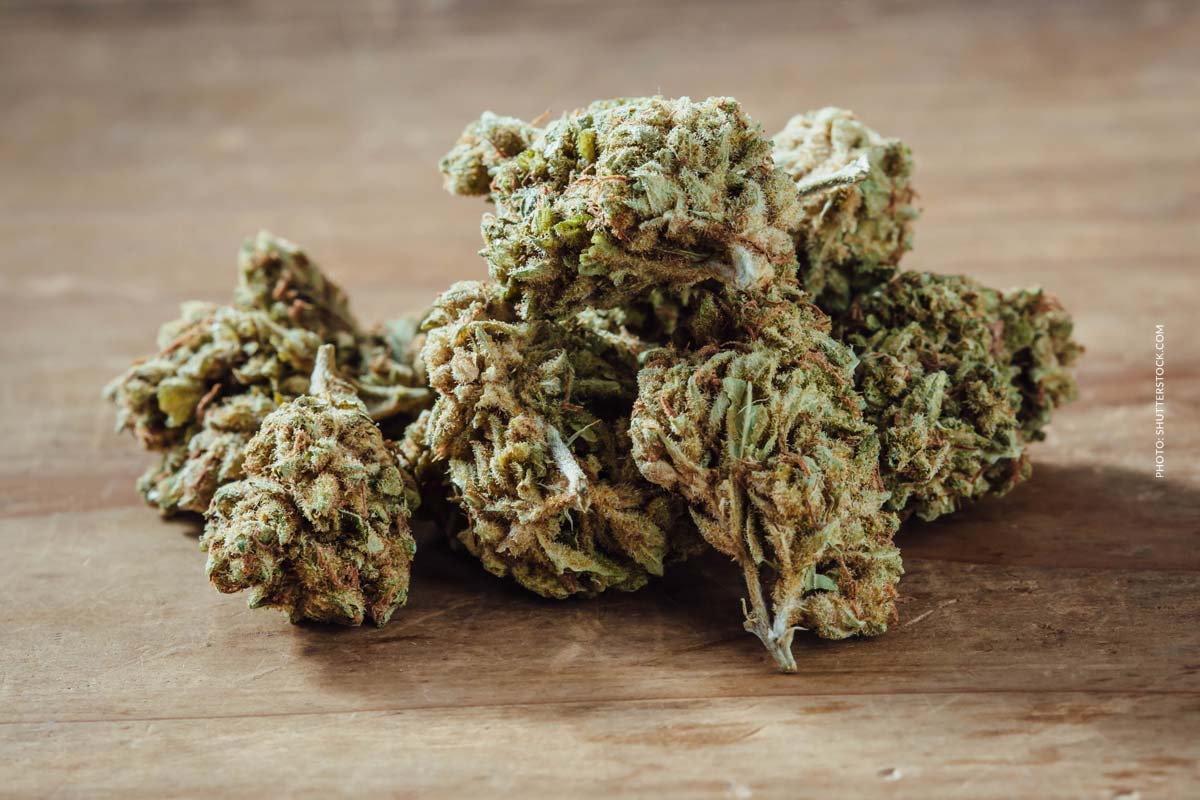
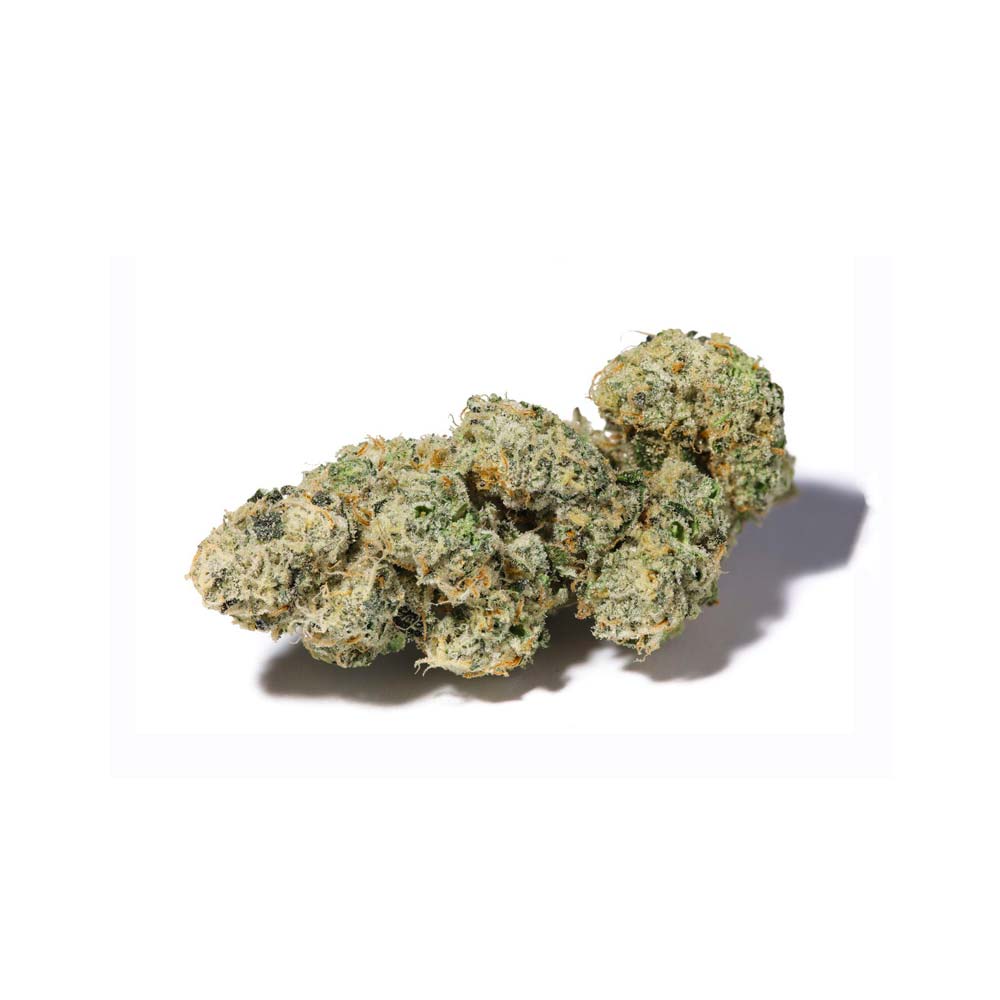
 The plants now need different nutrients and, above all, an adjustment to the light cycle in order to initiate flowering. As a rule, the flowering phase lasts between 6 and 10 weeks, depending on the variety. During this time, the flowers (also known as buds) develop, which are later harvested. Good care during the flowering phase ensures dense, resin-rich flowers that are full of cannabinoids such as THC and CBD.
What you should bear in mind during the flowering phase:
- The light cycle must be changed to 12 hours of light and 12 hours of darkness.
- During this phase, the plants need more phosphorus and potassium for flower formation.
- The flowering phase lasts between 6 and 10 weeks, depending on the variety.
- Videos: Cannabis flowering phase
Zen you! … yourself. Not in the mood for time, care and waiting? For patients: Order cannabis online.
Growing video tips: Flowering, fertilizer & watering
How to make your first grow a success, part 2 on YouTube: Flowering, fertilizer, light & growth.
Change the light cycle: Initiating the flowering phase
The crucial step to initiate the flowering phase is to adjust the light cycle. Cannabis is a short-day plant, which means that flower formation is triggered by shorter light periods. In indoor cultivation, you reduce the light cycle from 18 hours of light to 12 hours of light and 12 hours of darkness. This signals to the plant that the days are getting shorter, which tells it that it is time to produce flowers. Make sure that the dark phase remains completely undisturbed, as even minor light disturbances can disrupt the flowering process.
Tips for adjusting the light cycle:
- Switch from 18 hours of light to 12 hours of light and 12 hours of darkness.
- Make sure that the dark phase remains undisturbed.
- Use timers to control the light cycle automatically.
- Videos: Cannabis light cycle in the flowering phase
Nutrients during the flowering phase
During the flowering phase, the plant’s nutrient requirements change. In the growth phase, nitrogen was the most important nutrient, but in the flowering phase the plants need more phosphorus and potassium. These nutrients promote flower formation and ensure that the buds become dense and resinous. It is important to use special flowering fertilizers that are tailored to the needs of the plants in this phase. Be careful not to over-fertilize, as this can damage the plants and reduce the yield.
Important nutrients in the flowering phase:
- Phosphorus (P): Supports flower development and root formation.
- Potassium (K): Strengthens the plants and increases their resistance.
- Avoid excessive nitrogen application, as this can inhibit flower growth.
- Videos: Nutrients in the flowering phase
Temperature and humidity during the flowering phase
During the flowering phase, it is important to create the right environmental conditions to support the growth of the flowers and avoid problems such as mold growth. The ideal temperature is 20-26°C during the day and around 18-22°C at night. Make sure the humidity is around 40-50% during this phase to prevent mold and mildew from ruining your crop. Good air circulation is also important to prevent moisture build-up.
Important environmental conditions in the flowering phase:
- Temperature: 20-26°C during the day, 18-22°C at night.
- Humidity: 40-50% to avoid mold.
- Ensure good air circulation to dissipate moisture and heat.
- Videos: Temperature and humidity in the flowering phase
Watering in the flowering phase
Watering during the flowering phase requires special attention, as the plants are now in a very sensitive phase. It is important to water the plants regularly without waterlogging. Too much water can lead to root rot, while too little water can impair the growth of the flowers. Make sure that the substrate is slightly moist but not soggy. During the flowering phase, it can also be helpful to adjust the pH value of the water to around 6.0-6.5 to ensure optimum nutrient uptake.
Tips for watering during the flowering phase:
- Water regularly, but avoid waterlogging.
- The pH value of the water should be around 6.0-6.5.
- Water less often to keep the substrate evenly moist.
- Videos: Watering in the flowering phase
Problems in the flowering phase: mold, pests and nutrient deficiencies
During the flowering phase, various problems can occur in cultivation that can jeopardize your yield. Mold and mildew are common problems, especially if the humidity is too high. Pests such as spider mites or thrips can also occur and damage the flowers. Nutrient deficiencies, especially a lack of phosphorus or potassium, can lead to the flowers not maturing properly. Check your plants regularly and look out for signs of problems.
Frequent problems in the flowering phase:
- Mold: Avoid high humidity and ensure good ventilation.
- Pests: Check the plants regularly for pests and use organic pesticides.
- Nutrient deficiencies: Watch out for yellow leaves or stunted flowers and adjust the nutrient supply.
- Videos: Problems in the flowering phase
When is the flowering phase over? Recognizing the right time to harvest
At the end of the flowering phase comes the decisive moment: the harvest. Determine the exact time of harvest to achieve the best result.
Harvesting too early can lead to the flowers being less potent, while harvesting too late can affect the effect. A good indication of the right time to harvest is the trichomes. When the trichomes are milky and the pistils of the flowers turn brown, it’s time to harvest. You can use a microscope to observe the trichomes closely.
Indicators for the right time to harvest:
- Most trichomes are milky or slightly amber-colored.
- The pistils of the flowers have mostly turned brown.
- Use a microscope to examine the trichomes closely.
- Videos: Recognizing the right time to harvest
Conclusion: The path to a successful harvest
The flowering phase is the peak of cannabis cultivation and requires special care and attention. By adjusting the light cycle correctly, optimizing the nutrient supply and paying attention to the right environmental conditions, you lay the foundation for a successful harvest.
Look out for signs of mold, pests or nutrient deficiencies and adjust your care accordingly.
If you monitor this phase carefully, you will be rewarded with dense, resin-rich flowers at the end, making your cultivation a success.
Continue with part 5: Harvesting, timing and instructions
Harvest is the pinnacle of any cannabis grow. After weeks or even months of care and attention, you finally reach the point where your plants are ready to release their precious buds.
Growing cannabis at home: Our tips
Growing cannabis can be an incredibly rewarding experience if you follow the right steps. Whether you’re a beginner or an experienced grower, there’s always something new to learn, and with patience and care, you’ll be rewarded in the end. Make sure to take good care of your plants and enjoy the fruits of your labor!