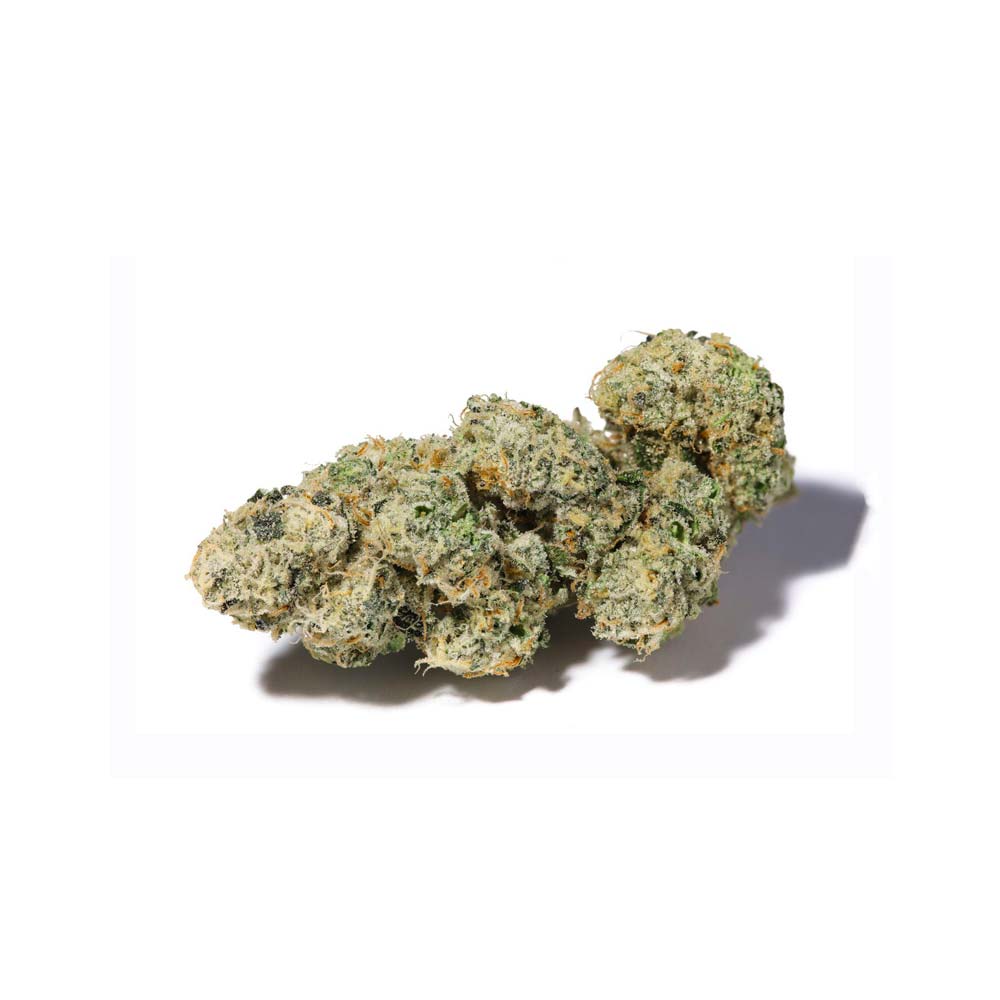
Cannabis for Muscle Spasticity in the UK: A Clinical Guide
Muscle spasticity represents one of the most debilitating symptoms experienced by patients with multiple sclerosis (MS), spinal cord injury (SCI), and cerebral palsy. Characterized by involuntary muscle contractions, increased muscle tone, and painful rigidity, spasticity significantly impacts mobility, function, and quality of life. In the United Kingdom, medical cannabis has emerged as an evidence-based treatment option, with specific products approved for this indication. This guide explores the clinical evidence, available treatments, and pathways to accessing cannabis-based medicines for spasticity management.
Understanding Muscle Spasticity
Spasticity occurs when damage to the central nervous system disrupts normal motor control pathways. In MS, demyelinating lesions interrupt neural signalling, leading to hyperexcitability of spinal reflexes. SCI causes similar disruption through physical trauma, while cerebral palsy results from developmental abnormalities affecting motor control. The result is increased resistance to passive movement, involuntary muscle contractions, and associated pain. Current first-line treatments including baclofen and tizanidine often produce inadequate symptom relief while causing significant side effects such as sedation and weakness.
Sativex (nabiximols) represents the most rigorously studied cannabis-based medicine for spasticity in the UK. This oromucosal spray contains equal proportions of THC (tetrahydrocannabinol) and CBD (cannabidiol) in a 1:1 ratio, delivering approximately 2.7mg of each cannabinoid per spray. The formulation was specifically developed to optimize therapeutic benefit while minimizing intoxicating effects.
Clinical evidence supporting Sativex is substantial. The pivotal randomized controlled trial, known as the CAMS study, enrolled 630 MS patients with resistant spasticity who had failed conventional treatments. Results demonstrated that Sativex produced statistically significant improvements in spasticity scores compared to placebo, with approximately 40% of patients experiencing meaningful clinical benefit. Patients reported improvements not only in muscle tone but also in associated pain, sleep quality, and overall functional ability.
Additional trials in SCI populations have confirmed similar efficacy. The SCIRES-MS trial further validated safety and efficacy data across larger patient cohorts. Follow-up studies extending over several years demonstrate sustained benefit without evidence of tolerance development or escalating dose requirements. Safety monitoring consistently shows that serious adverse events are rare, with most reported effects being mild-to-moderate and manageable through dose adjustment.
The THC:CBD Ratio Advantage
The 1:1 THC:CBD ratio employed in Sativex deserves particular attention. This balanced formulation provides distinct advantages over higher-THC products. CBD acts as a modulator of THC’s effects, reducing psychoactive properties while enhancing therapeutic benefit. CBD possesses independent anti-inflammatory and neuroprotective properties, contributing to spasticity reduction through multiple mechanisms.
CBD increases activation of the 5-HT1A serotonin receptor, which inhibits motor neuron hyperexcitability. It also modulates glycine receptors in the spinal cord, key mediators of motor control. THC provides analgesic effects and direct cannabinoid receptor-mediated modulation of spinal circuits. The combination produces synergistic effects superior to either cannabinoid alone—a phenomenon termed the “entourage effect.” This balanced approach minimizes cognitive impairment while maximizing spasticity relief, making it particularly suitable for patients concerned about intoxication or impaired mental function.
Prescription Access in the UK
Following regulatory approval in 2010, Sativex became available on the NHS under specific criteria. Patients must have documented MS with inadequate response to conventional spasticity treatments such as baclofen or tizanidine. Access typically requires specialist neurology assessment, with prescribing usually initiated in secondary care settings.
The prescription pathway involves several steps. First, patients must be formally evaluated by a neurologist or MS specialist who confirms diagnosis and documents failed conventional therapies. Second, baseline spasticity severity must be measured using standardized scales such as the Modified Ashworth Scale. Third, patients receive detailed counselling regarding expected benefits, potential side effects, driving implications, and legal status. Fourth, a trial period typically establishes optimal dosing and tolerability before long-term prescribing.
Private prescribing options exist through private best UK cannabis clinics, though costs can reach £600-£1000 monthly. Some patients access alternative products including CBD-dominant formulations, though evidence specifically for spasticity is stronger for balanced products like Sativex.
Alternative Products and Considerations
Beyond Sativex, other cannabis-based medicines may be prescribed under specialist supervision. Full-spectrum flower-based products contain variable cannabinoid ratios and may provide therapeutic benefit, though evidence is less robust. CBD-dominant products offer lower intoxication risk but less evidence for spasticity specifically. Some neurologists recommend products with THC:CBD ratios between 1:2 and 1:1, maintaining balanced therapeutic properties while adjusting intoxication based on individual tolerance.
Monitoring and Safety
Successful cannabis-based medicine use requires ongoing specialist monitoring. Patients should expect regular review appointments assessing symptom improvement, side effects, cognitive function, and driving safety. Drug interaction screening is essential, particularly with medications metabolized through CYP3A4 and CYP2C19 pathways. Psychiatric history requires careful evaluation given cannabis interactions with mental health conditions.
Conclusion
Medical cannabis represents an evidence-based option for patients with MS, SCI, and cerebral palsy experiencing resistant spasticity. Sativex, with its balanced 1:1 THC:CBD formulation, offers the strongest clinical evidence and represents a rational therapeutic choice when conventional treatments fail.
Medical Disclaimer: The information on this page is for educational purposes only and does not constitute medical advice. Always consult a licensed healthcare professional before starting any new treatment.
https://cannazen.co.uk/wp-content/uploads/2026/01/cosmic-mac-cannabis-doctor-prescription-pharmacy-shop-blute.jpg10001000CannaZen UK Editorial Teamhttps://cannazen.co.uk/wp-content/uploads/2026/01/cannazen-shop-lieferung-cannabis-weed-hemp-online.svgCannaZen UK Editorial Team2026-05-15 10:32:132026-05-15 11:11:39Medical Cannabis for Spasticity UK
We may request cookies to be set on your device. We use cookies to let us know when you visit our websites, how you interact with us, to enrich your user experience, and to customize your relationship with our website.
Click on the different category headings to find out more. You can also change some of your preferences. Note that blocking some types of cookies may impact your experience on our websites and the services we are able to offer.
Essential Website Cookies
These cookies are strictly necessary to provide you with services available through our website and to use some of its features.
Because these cookies are strictly necessary to deliver the website, refusing them will have impact how our site functions. You always can block or delete cookies by changing your browser settings and force blocking all cookies on this website. But this will always prompt you to accept/refuse cookies when revisiting our site.
We fully respect if you want to refuse cookies but to avoid asking you again and again kindly allow us to store a cookie for that. You are free to opt out any time or opt in for other cookies to get a better experience. If you refuse cookies we will remove all set cookies in our domain.
We provide you with a list of stored cookies on your computer in our domain so you can check what we stored. Due to security reasons we are not able to show or modify cookies from other domains. You can check these in your browser security settings.
Google Analytics Cookies
These cookies collect information that is used either in aggregate form to help us understand how our website is being used or how effective our marketing campaigns are, or to help us customize our website and application for you in order to enhance your experience.
If you do not want that we track your visit to our site you can disable tracking in your browser here:
Other external services
We also use different external services like Google Webfonts, Google Maps, and external Video providers. Since these providers may collect personal data like your IP address we allow you to block them here. Please be aware that this might heavily reduce the functionality and appearance of our site. Changes will take effect once you reload the page.
Google Webfont Settings:
Google Map Settings:
Google reCaptcha Settings:
Vimeo and Youtube video embeds:
Other cookies
The following cookies are also needed - You can choose if you want to allow them:
Privacy Policy
You can read about our cookies and privacy settings in detail on our Privacy Policy Page.