
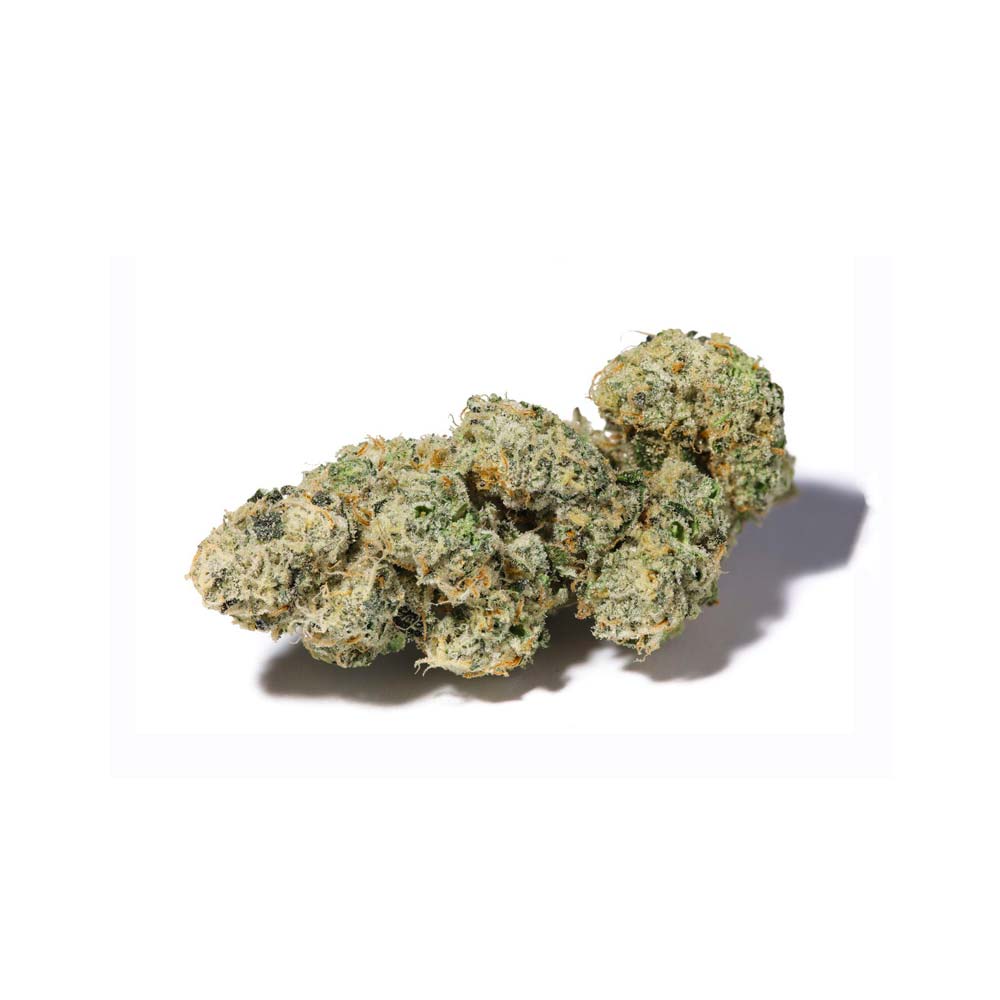
Medical Cannabis for Spinal Cord Injury Patients in the UK
Spinal cord injury (SCI) can result in complex symptoms including chronic pain, spasticity, and sleep disturbances. Medical cannabis has emerged as a potential therapeutic option for some patients in the UK. This guide provides essential information about accessing and using cannabis-based medicinal products (CBMPs) for SCI-related symptoms.
Understanding Medical Cannabis in the UK
Medical cannabis became legal in the UK in November 2018, though access remains restricted. Cannabis-based medicinal products are now classified as Schedule 2 controlled drugs, meaning they can be prescribed by specialist clinicians but not by general practitioners. In the UK, licensed cannabis products include Sativex (nabiximols) and Epidyolex, though doctors may also prescribe unlicensed cannabis-based preparations in specific circumstances.
It is crucial to understand that medicinal cannabis differs from recreational cannabis in terms of composition, quality control, and medical application. Medical-grade products are regulated for consistent cannabinoid content and purity.
Spasticity Management
Spasticity, characterised by involuntary muscle contractions and increased muscle tone, is one of the most common complications following spinal cord injury. It affects up to 70% of SCI patients and significantly impacts quality of life.
How Medical Cannabis May Help:
- Nabiximols (Sativex) is specifically licensed for treating spasticity associated with multiple sclerosis, and emerging evidence suggests potential benefits for SCI-related spasticity
- Cannabis contains cannabinoids, primarily THC and CBD, which interact with the body’s endocannabinoid system to reduce muscle hyperactivity
- Studies indicate that cannabinoids may reduce spasm frequency and intensity more effectively than some traditional medications
- Relief from spasticity can improve mobility, reduce pain, and enhance sleep quality
Patients considering cannabis for spasticity should note that response varies significantly between individuals, and a trial period is typically recommended to assess effectiveness.
Chronic Pain Relief
Neuropathic pain below the level of injury affects the majority of SCI patients and is notoriously difficult to manage. This pain often proves resistant to conventional analgesics.
Medical Cannabis and Pain Management:
- Cannabinoids demonstrate analgesic properties through multiple mechanisms, including modulation of pain perception in the central nervous system
- CBD (cannabidiol) has anti-inflammatory properties that may address underlying pain mechanisms
- THC provides analgesia and may work synergistically with CBD
- Cannabis-based treatment may allow reduction of other pain medications, minimising side effects and drug interactions
- Patients report improved pain management without the sedation or dependency risks associated with opioids
Pain relief typically develops gradually over weeks rather than immediately, requiring patience during the titration period.
Sleep Disturbances
Sleep disruption is extremely prevalent in SCI patients, often resulting from pain, spasticity, urinary complications, and psychological factors. Poor sleep quality exacerbates other symptoms and impairs rehabilitation outcomes.
Cannabis and Sleep Benefits:
- CBD promotes relaxation and may reduce anxiety-related sleep onset difficulties
- THC has sedative properties that can help initiate sleep and improve sleep continuity
- By addressing underlying pain and spasticity, cannabis indirectly improves sleep quality
- Unlike some sleep medications, cannabis does not typically cause morning grogginess or dependency when used appropriately
- Evening dosing can target nocturnal spasticity whilst allowing daytime alertness
Sleep improvement often becomes apparent within the first two weeks of treatment, making it an early indicator of potential overall benefit.
How to Access Medical Cannabis in the UK
Step-by-Step Process:
- Consult Your Specialist: Initiate discussion with your neurologist, neurorehabilitation consultant, or spinal cord injury specialist. Medical cannabis is prescribed only by specialists, not GPs.
- Specialist Assessment: The specialist will evaluate whether you meet eligibility criteria. You must have tried conventional treatments first, and your condition should show potential responsiveness to cannabis.
- Eligibility Criteria: Generally, patients must have documented SCI, exhausted conventional treatment options, and show clinical need. The specialist will consider potential drug interactions and contraindications.
- Prescription and Supply: If approved, your specialist will issue a private prescription. Cannabis-based products are not routinely available on the NHS, though some specialist centres may provide access through research programmes.
- Licensed Pharmacies: Prescriptions are dispensed by pharmacies licensed to supply controlled drugs, such as those operated by specialist best UK cannabis clinics.
Costs and Funding
Medical cannabis remains expensive in the UK, representing a significant financial consideration for patients.
Typical Costs:
- Initial specialist consultation: £150-£300
- Monthly medication costs: £400-£1,000+ depending on product and dosage
- Follow-up consultations: £100-£200 per session
Funding Options:
- NHS: Rarely funded except through specialist centres or research programmes; availability varies by region
- Private Insurance: Some private health insurance policies cover specialist cannabis treatment; check your policy
- Charity Support: Organisations supporting SCI patients may provide grants or financial assistance
- Direct Payment: Many patients fund treatment privately; some specialists offer payment plans
Always discuss costs transparently with your specialist before commencing treatment to understand total financial commitment.
Safety Considerations and Side Effects
- Common side effects include dizziness, dry mouth, and fatigue, usually mild and temporary
- Medical cannabis may interact with certain medications; full disclosure of medications to your specialist is essential
- Regular monitoring by your specialist ensures ongoing safety and efficacy
- Avoid driving or operating machinery until you understand how cannabis affects you personally
- Cannabis is not suitable for patients with active psychotic illness or severe cardiovascular disease
Useful Resources
Contact your local spinal cord injury centre, specialist neurorehabilitation unit, or specialist best UK cannabis clinics for further information about accessing medical cannabis. The Spinal Injuries Association and SCI-UK provide support and information for patients considering treatment options.