
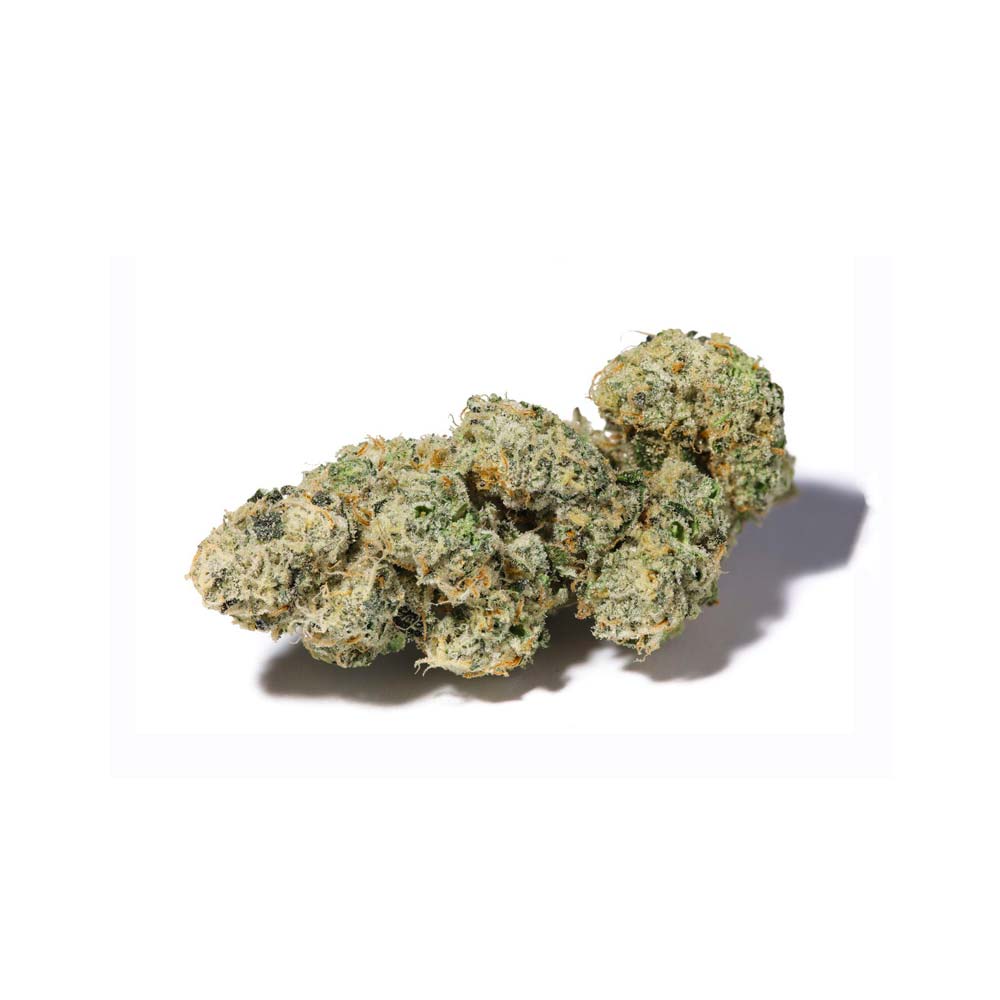
Medical Cannabis for Spasticity in the UK: A Comprehensive Guide for MS and SCI Patients
Spasticity affects thousands of people across the United Kingdom, particularly those living with multiple sclerosis (MS) and spinal cord injuries (SCI). Medical cannabis has emerged as a potential therapeutic option for managing this debilitating symptom. This guide explores the evidence, legal status, and practical considerations for patients considering cannabis-based medicinal products in the UK.
Understanding Spasticity: A UK Health Challenge
Spasticity is a condition characterised by involuntary muscle stiffness and contractions, significantly impacting quality of life. Approximately 80% of MS patients experience spasticity at some point during their illness, whilst an estimated 65-78% of individuals with spinal cord injuries face this complication. The condition often worsens with stress, fatigue, and physical activity, making daily tasks increasingly difficult.
Traditional treatments include physiotherapy, muscle relaxants like baclofen, and botulinum toxin injections. However, these options don’t work effectively for all patients, and some experience limiting side effects. This has prompted research into alternative treatments, including medical cannabis.
The Science Behind Cannabis and Spasticity Relief
Cannabis contains over 100 cannabinoids, with cannabidiol (CBD) and tetrahydrocannabinol (THC) being the most studied. The human body contains an endocannabinoid system that plays a crucial role in regulating muscle tone and motor control. When cannabinoids interact with this system, they may reduce involuntary muscle contractions characteristic of spasticity.
Research has demonstrated that cannabis-derived products can significantly reduce spasticity severity. A landmark study published in the Canadian Medical Association Journal found that nabiximols (a cannabis-based oral spray containing equal parts THC and CBD) improved spasticity symptoms in 70% of MS patients who participated in the trial.
The mechanism appears to work through cannabinoid receptors in the spinal cord and brain, which help regulate muscle tone and reduce the hyperexcitability of nerve fibres contributing to spasticity.
Medical Cannabis Legal Status in the UK
Medical cannabis became legal in the UK on 1 November 2018, following a change in the Controlled Drugs and Psychotropic Substances (Amendment) Order. However, it remains a Schedule 2 controlled drug, meaning it can only be prescribed by specialist doctors in hospital settings.
Currently, only three cannabis-based medicinal products have been approved by the National Institute for Health and Care Excellence (NICE) for NHS prescription:
- Nabiximols (Sativex) – approved for MS-related spasticity
- Cannabidiol (Epidyolex) – approved for specific types of epilepsy
- Nabilone (Cesamet) – approved for chemotherapy-induced nausea
Sativex represents the most directly relevant option for spasticity patients, having demonstrated efficacy in multiple clinical trials specifically targeting this indication.
Nabiximols (Sativex): Evidence and Effectiveness
Nabiximols is a mouth spray containing 1:1 ratio THC to CBD extracted from cannabis plants. Each spray delivers approximately 2.7mg THC and 2.5mg CBD. The product has undergone rigorous testing and received positive recommendations from both NICE and the MS Society.
Clinical evidence supporting Sativex is substantial. A 12-week randomised controlled trial involving 339 MS patients found that 70% of those receiving nabiximols experienced significant spasticity improvement, compared to 40% receiving placebo. Importantly, the drug was generally well-tolerated, with adverse effects comparable to placebo in most cases.
Typical dosing begins at 1-2 sprays daily, increasing gradually to an optimal dose, which often ranges between 4-12 sprays daily. Patients typically notice improvements within 2-4 weeks of starting treatment.
NHS Access and Private Options
Accessing medical cannabis through the NHS in the UK remains challenging, despite its legal status. Whilst NICE has approved nabiximols for MS-related spasticity, NHS commissioners have been cautious about widespread prescription, citing cost concerns and the need for specialist monitoring.
Most patients seeking medical cannabis in the UK currently pursue private routes. Several private best UK cannabis clinics operate throughout the country, offering consultations with doctors experienced in prescribing cannabis-based medications. Private treatment typically costs between £150-£300 for initial consultations, with monthly prescriptions ranging from £100-£400, depending on dosage requirements.
Some patients advocate for NHS provision, and clinical commissioning groups have discretionary powers to fund individual treatments where there is strong clinical evidence. Making representation to your local commissioning group may be worthwhile.
Suitability Assessment and Medical Considerations
Not all spasticity patients are suitable candidates for medical cannabis. Healthcare professionals typically consider several factors before prescribing:
- Failed or inadequate response to conventional treatments
- Lack of significant contraindications or drug interactions
- Ability to comply with monitoring requirements
- Absence of active psychotic disorders or personal/family history of psychosis
- Commitment to regular medical reviews
Patients should be honest with their healthcare provider about their complete medical history, including mental health conditions, current medications, and any previous adverse reactions to cannabinoids.
Potential Side Effects and Safety Profile
Medical cannabis is generally well-tolerated, though some patients experience side effects. Common adverse effects include dizziness, dry mouth, drowsiness, and altered appetite. These effects are typically mild and often diminish with continued use as patients develop tolerance.
More serious side effects are rare but may include mood changes, memory difficulties, or increased anxiety. The 1:1 THC:CBD ratio in Sativex is considered safer than THC-dominant products, as CBD moderates some THC effects.
Important safety considerations include avoiding driving or operating machinery until effects are understood, and being cautious with alcohol consumption. Patients should not suddenly discontinue treatment without medical guidance.
Combining Cannabis with Other Treatments
Medical cannabis doesn’t necessarily replace existing spasticity treatments. Many patients find optimal benefit through combination therapy, gradually reducing other medications under medical supervision as cannabis efficacy becomes apparent.
Common drug interactions are minimal, though interactions with sedating medications or those metabolised through cytochrome P450 pathways warrant caution. Healthcare providers should review all concurrent medications before prescribing medical cannabis.
Practical Steps for UK Patients
If you’re interested in medical cannabis for spasticity, follow these steps:
- Discuss with your neurologist or specialist about cannabis-based treatment options
- Document your current treatment effectiveness and side effects
- Research private clinics if NHS access proves difficult
- Prepare a comprehensive medical history for your consultation
- Understand costs and whether private treatment is affordable
- Commit to regular monitoring and medication reviews
Future Developments and Research
Medical cannabis research for spasticity continues expanding. UK universities and research institutions are investigating optimal cannabinoid ratios, delivery methods, and long-term safety profiles. Future developments may include improved formulations, more accessible NHS provision, and expanded indications.
Patient registries and ongoing studies contribute valuable real-world evidence about cannabis effectiveness, supporting future regulatory decisions and clinical guidance updates.
Conclusion
Medical cannabis, particularly nabiximols, offers a potentially valuable option for UK patients with MS or SCI-related spasticity who haven’t responded adequately to conventional treatments. Whilst legal and supported by clinical evidence, accessing treatment remains challenging due to NHS limitations and private cost implications. Consulting with specialists experienced in cannabis medicine, understanding the regulatory landscape, and maintaining realistic expectations about outcomes are essential for successful treatment outcomes.