
Medical Cannabis for Chronic Pain in the UK
Your comprehensive guide to accessing cannabis-based medicinal products for pain management
Understanding Cannabis Chronic Pain UK: An Overview
Medical cannabis has emerged as a significant treatment option for patients suffering from chronic pain across the United Kingdom. Since the legalisation of cannabis-based medicinal products in November 2018, thousands of UK patients have gained access to this alternative therapy. However, despite growing acceptance within the medical community, navigating the system to obtain a prescription for cannabis chronic pain UK remains challenging for many patients.
Chronic pain affects approximately 28 million adults in the UK, yet many remain inadequately managed by conventional treatments. For patients who have exhausted standard pharmaceutical options or experienced adverse side effects, medical cannabis represents a beacon of hope. The UK’s regulatory framework, whilst cautious, acknowledges the therapeutic potential of cannabinoids for specific pain conditions.
The Most Common Use Case: Neuropathic Pain
Neuropathic pain remains the most common indication for medical cannabis prescriptions in the UK. This type of pain, characterised by shooting, burning sensations caused by nerve damage, affects millions of Britons suffering from conditions such as:
- Diabetic peripheral neuropathy
- Post-herpetic neuralgia (shingles-related pain)
- Central post-stroke pain
- Spinal cord injury pain
- Multiple sclerosis-related neuropathy
Unlike musculoskeletal pain, neuropathic pain often proves resistant to conventional painkillers and anti-inflammatory medications. Patients frequently describe standard treatments as ineffective, making cannabis chronic pain UK a genuinely transformative option for this population. The analgesic and neuroprotective properties of cannabinoids offer a distinct mechanism of action that complements or replaces traditional therapies.
Other common indications include cancer-related pain, fibromyalgia, and pain associated with rheumatoid arthritis. Increasingly, specialists recognise the value of medical cannabis for multifactorial chronic pain syndromes where conventional monotherapy has failed.
How to how to get a medical cannabis prescription Medical Cannabis in the UK
The journey towards obtaining a cannabis prescription involves several crucial steps that require persistence and medical advocacy:
Step 1: Specialist Referral
You cannot obtain medical cannabis through your GP alone. You must be referred to a specialist consultant—typically a neurologist, pain specialist, or relevant medical expert—who has the authority to prescribe cannabis-based medicinal products. This requirement stems from the Medicines and Healthcare Products Regulatory Agency (MHRA) guidelines, which classify these products as specialist prescriptions.
Step 2: Private vs. NHS Routes
Two pathways exist for UK patients. The NHS route remains extremely limited, with relatively few specialists willing to prescribe. Private clinics specialising in cannabis medicine have proliferated, offering faster access but at considerable expense. Many patients utilise private consultations initially, then seek NHS funding once a diagnosis is established.
Step 3: Medical Assessment
Your specialist will conduct a thorough evaluation including:
- Detailed pain history and current symptom severity
- Previous treatment attempts and reasons for discontinuation
- Comprehensive medical history and contraindications screening
- Mental health assessment (particularly regarding psychosis risk)
- Confirmation that conventional treatments have been optimised
Step 4: Treatment Planning
If approved, your specialist will design a personalised treatment plan specifying the cannabis product, dosage, administration method, and monitoring schedule. This evidence-based approach ensures safety and efficacy.
Best Strains and Products Available in the UK
Medical cannabis products in the UK differ substantially from recreational cannabis. Licensed medicinal products undergo rigorous quality control, with standardised cannabinoid profiles and consistent potency.
Common Prescribed Products
| Product | Type | THC:CBD Ratio | Administration |
|---|---|---|---|
| Nabilone | Synthetic Cannabinoid | Pure THC analogue | Capsule |
| Sativex (Nabiximols) | Whole Plant Extract | 1:1 THC:CBD | Oromucosal Spray |
| Epidyolex | Pure CBD | 0:1 (CBD only) | Oral Solution |
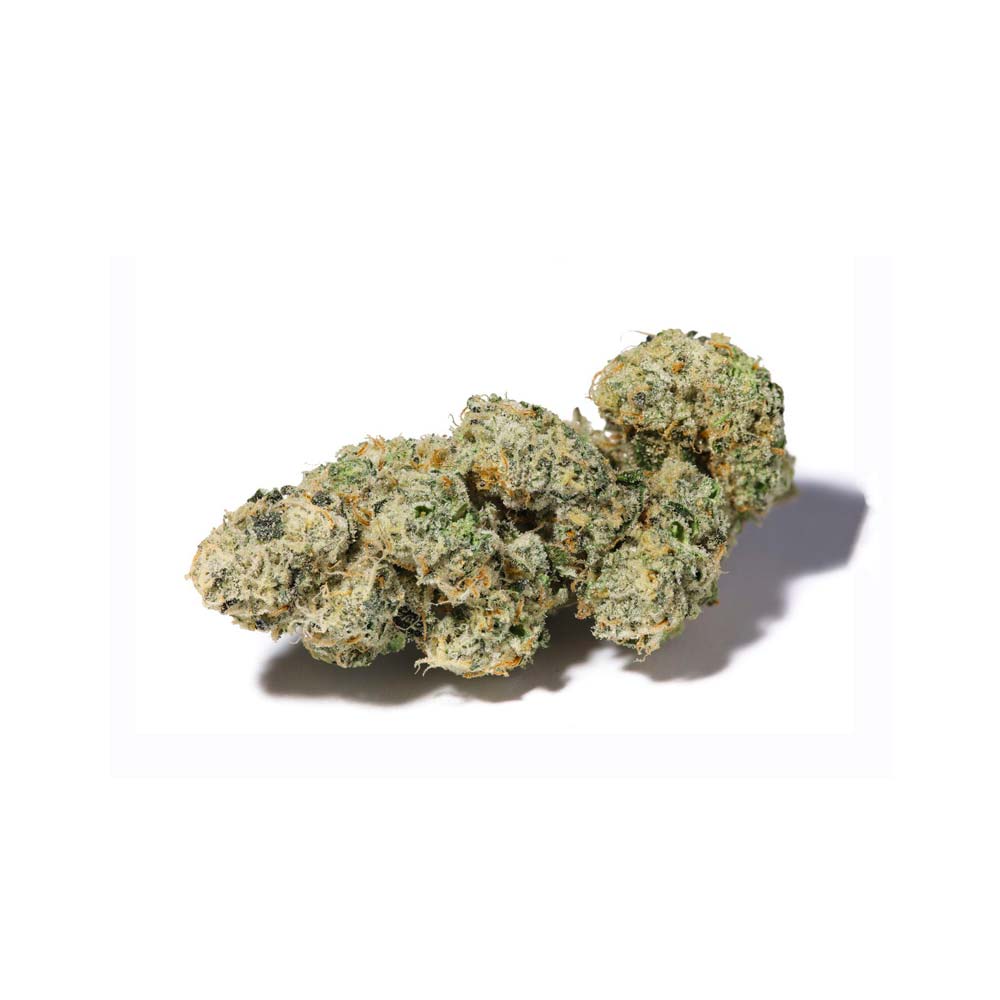
| CBPM (Flower) | Dried Flower | Variable (18-20% THC) | Vaporisation |
| Medical Cannabis Oil | Whole Plant Extract | Various ratios | Sublingual/Oral |
For chronic pain specifically, products with balanced THC:CBD ratios or THC-dominant formulations typically provide superior analgesia compared to CBD-only products. However, individual responses vary considerably, and finding the optimal product often requires careful titration under medical supervision.
Understanding the Costs
Private consultations typically cost £150-£300 per appointment, with prescriptions requiring monthly or quarterly reviews. The medications themselves represent the largest expense:
- Nabilone: Approximately £200-£400 monthly
- Sativex: £400-£600 monthly (often not available on NHS)
- Medical Cannabis Oil: £150-£500 monthly
- Dried Cannabis Flower: £200-£400 monthly
The NHS rarely funds cannabis products, though some exceptional cases have been approved through individual funding requests. Numerous charities and patient advocacy groups assist with costs, but affordability remains a significant barrier to access.
What Does the Evidence Say?
Scientific evidence for medical cannabis in chronic pain management continues evolving. Current research demonstrates:
- Neuropathic Pain: Moderate evidence supporting cannabinoid efficacy, particularly for cannabis sativa-derived products
- Cancer Pain: Emerging evidence suggesting benefit as an adjunct to opioid therapy
- Multiple Sclerosis: Evidence supporting use for spasticity-related pain
- Safety Profile: Generally well-tolerated with fewer serious adverse effects than opioids, though drowsiness and dizziness are common
The National Institute for Health and Care Excellence (NICE) acknowledges insufficient evidence for blanket recommendations but recognises cannabis as appropriate for specific populations where conventional treatments have failed. Ongoing clinical trials continue gathering robust data.
Patient Stories: Real Experiences with Cannabis Chronic Pain UK
Moving Forward: The Future of Cannabis Chronic Pain UK
The landscape for medical cannabis in the UK continues shifting. Increasing NHS funding, growing specialist availability, and expanding evidence base suggest improved accessibility. Patient advocacy remains crucial in challenging prescribing barriers and raising awareness among healthcare professionals.
If you suffer from chronic pain and believe medical cannabis might help, consult your GP about specialist referral, explore patient support organisations, and remain persistent in your medical advocacy. Cannabis chronic pain UK represents a genuine therapeutic option that, when properly managed, can dramatically improve quality of life for suitable candidates.
Clinical Evidence and NICE Guidance
Evidence Level: Moderate
NICE Guideline NG144 (Cannabis-based medicinal products, November 2019) does not recommend cannabis-based products for chronic pain as a routine treatment due to insufficient high-quality trial evidence. However, NG144 acknowledges that specialist clinicians may consider CBMPs for patients with chronic neuropathic pain where licensed treatments have been inadequate. The guideline emphasises individualised clinical assessment and shared decision-making.
A 2018 systematic review published in JAMA Internal Medicine found moderate-quality evidence that cannabinoids reduce neuropathic pain by approximately 30% in around one-third of patients. The Faculty of Pain Medicine (FPM) position statement (2019) concludes there is insufficient evidence to recommend cannabinoids as first- or second-line therapy for any chronic pain condition, though individual patient response varies considerably.
Real-world UK data from Project Twenty21 (Drug Science) showed that 75% of patients with chronic pain reported clinically significant improvements in pain and quality of life after six months of treatment with CBMPs. This observational data, whilst not RCT-level evidence, informs current prescribing practice.
Contraindications
Medical cannabis for chronic pain is not appropriate for patients with any of the following:
- Personal or family history of psychosis or schizophrenia — THC can precipitate or worsen psychotic episodes; absolute contraindication
- Pregnancy or breastfeeding — cannabinoids cross the placenta and are present in breast milk; associated with adverse foetal outcomes including low birth weight and preterm delivery
- Under 18 years of age — the developing brain is particularly vulnerable to cannabinoid exposure; prescribing under 18 requires exceptional clinical justification and specialist oversight
- Under 25 years — brain maturation continues until approximately age 25; clinicians should exercise particular caution and use the lowest effective dose
- Significant cardiovascular disease — THC causes tachycardia and transient blood pressure changes; avoid in unstable angina, recent myocardial infarction, or arrhythmias
- Severe hepatic impairment — cannabinoids are extensively metabolised by the liver; dose adjustment or avoidance required
- Substance use disorder (current) — active addiction to alcohol, opioids, or other substances represents a relative contraindication; specialist psychiatric assessment required
- Hypersensitivity to any cannabinoid or excipient in the formulation
Drug Interactions
Cannabis-based products interact with several drug classes commonly used in chronic pain management:
- Opioids — additive CNS depression; cannabis may potentiate opioid analgesia (potentially beneficial) but also increases sedation risk; monitor closely if combining
- Benzodiazepines and Z-drugs — significant additive sedation; avoid concurrent use where possible; driving impairment markedly increased
- Warfarin and anticoagulants — CBD inhibits CYP2C9, increasing warfarin plasma levels and bleeding risk; INR must be monitored closely when initiating or adjusting cannabis doses
- Antiepileptics (e.g. valproate, lamotrigine) — CYP450 interactions possible; plasma levels of antiepileptic drugs may be altered
- SSRIs and SNRIs — theoretical serotonergic interaction; clinical significance unclear but monitor for increased side effects
- Tricyclic antidepressants (e.g. amitriptyline) — additive anticholinergic and sedative effects; use caution
- CYP3A4 substrates — CBD is a CYP3A4 inhibitor; may increase plasma levels of drugs metabolised by this pathway (e.g. certain statins, immunosuppressants)
Dosing Guidance
Dosing must be individualised under specialist supervision. Standard UK clinical practice follows a “start low, go slow” protocol:
- Initiation: Begin at 1–2.5 mg THC daily (as oil or vaporised flower), taken in the evening to minimise daytime impairment
- Titration: Increase by 2.5 mg THC every 5–7 days based on therapeutic response and tolerability
- Typical maintenance range: 5–30 mg THC daily; doses above 30 mg daily rarely provide additional benefit and increase adverse effects
- CBD component: Many products contain CBD alongside THC; CBD at 10–20 mg daily may augment analgesia whilst moderating THC-related side effects
- Route of administration: Sublingual oils provide more predictable absorption than vaporised flower; capsules have longest onset but most consistent duration
Patients should maintain a pain diary throughout titration. Clinical review is recommended at 4–6 weeks, then every 3 months once stable.
Side Effects
Patients must be counselled on the following adverse effects prior to initiating treatment:
- Common (THC-related): dizziness, drowsiness, dry mouth, increased appetite, short-term memory impairment, impaired concentration
- Common (CBD-related): fatigue, diarrhoea, nausea, appetite changes, elevated liver enzymes (at higher doses)
- Psychiatric: anxiety, paranoia, psychosis — particularly at high THC doses or in susceptible individuals
- Cardiovascular: tachycardia, palpitations, postural hypotension — especially on initiation
- Dependence and withdrawal: cannabis use disorder develops in approximately 9% of users overall, higher with daily use; abrupt cessation after prolonged use may cause insomnia, irritability, appetite loss, and anxiety
- Driving impairment: patients must be advised not to drive or operate machinery within several hours of taking THC-containing products; legal implications under the Road Traffic Act 1988
When Medical Cannabis Is NOT Appropriate
A specialist clinician should not prescribe cannabis-based products for chronic pain if:
- The patient has not trialled adequate courses of at least two first-line analgesics appropriate to the pain type (e.g. amitriptyline or gabapentin for neuropathic pain)
- There is an active or recent history of psychosis, bipolar disorder with psychotic features, or schizophrenia
- The patient is pregnant, planning pregnancy, or breastfeeding
- Pain is acute rather than chronic in nature
- The patient has a current substance use disorder without specialist psychiatric support
- Unstable cardiovascular disease is present
- The patient is unwilling or unable to engage with clinical monitoring requirements
Note on NHS availability: In practice, NHS prescriptions for cannabis-based products for chronic pain remain extremely rare. Virtually all UK patients access treatment through private specialist clinics. NHS England has not commissioned routine CBMP prescribing for chronic pain, meaning costs (typically £150–600 per month) are borne by the patient.