
Cannabis for Phantom Pain After Amputation in the UK
Phantom pain is a debilitating condition affecting approximately 50-80% of amputees, persisting for months or years after limb loss. This neuropathic pain originates from altered neural signalling in the spinal cord and brain rather than from the missing limb itself, making conventional analgesics often ineffective. Medical cannabis has emerged as a potential therapeutic option within the UK’s regulated framework, offering relief where traditional treatments fall short.
Understanding the Neuropathic Mechanism
Phantom pain develops through complex neurobiological processes following amputation. When peripheral nerves are severed, the nervous system undergoes significant reorganisation. Remaining nerve endings at the amputation site become hypersensitive and may form neuromas—painful nerve growths. Simultaneously, the brain’s sensory cortex undergoes remapping, with adjacent body regions expanding into the area previously dedicated to the lost limb.
The dorsal root ganglia and spinal cord develop altered pain processing, generating spontaneous electrical activity that the brain interprets as pain from the phantom limb. This central sensitisation amplifies pain signals, while inflammatory mediators and cytokines perpetuate neuroinflammation. The limbic system becomes hyperactive, intensifying emotional responses to pain.
Cannabinoids modulate pain perception at multiple levels. THC activates CB1 receptors in the spinal cord and brain, reducing pain signal transmission and altering pain perception. CBD exhibits anti-inflammatory properties and may reduce neuroinflammation. Both cannabinoids influence descending pain inhibitory pathways, enhancing the body’s natural pain suppression mechanisms.
Evidence for Cannabis Efficacy
Research into cannabis for neuropathic pain demonstrates encouraging results. A 2019 systematic review published in the journal Frontiers in Neurology identified numerous studies showing cannabinoids reduce neuropathic pain intensity. Clinical trials involving patients with peripheral neuropathy and spinal cord injury pain—conditions sharing similar neurobiological mechanisms with phantom pain—show THC-containing products reduce pain severity by 30% or more in responder populations.
A landmark study in the Canadian Medical Association Journal found that medical cannabis users with neuropathic pain experienced significant symptom improvement, with many reducing concurrent opioid consumption. Notably, patients with treatment-resistant pain showed the greatest benefit, suggesting cannabis fills a critical therapeutic gap.
The UK’s own clinical experience supports these findings. Data from specialist pain clinics offering cannabis-based medical products indicate positive responses in neuropathic pain patients, though specific phantom pain studies remain limited. The analgesic effect appears mediated by both peripheral and central mechanisms, with pain relief often accompanied by improved mood and sleep quality.
While robust randomised controlled trials specifically targeting phantom pain remain scarce, the mechanistic rationale is sound, and extrapolation from neuropathic pain research provides substantial supporting evidence. The British Pain Society acknowledges cannabis as warranting consideration for refractory neuropathic pain conditions.
High-THC Products and UK Regulations
High-THC cannabis products are legally accessible in the UK only through medical prescription following authorisation by specialist consultants. Unlike some jurisdictions, the UK does not permit recreational use, ensuring medical cannabis access remains tightly regulated through the NHS and private clinics.
Effective pharmaceutical-grade products include:
Whole-plant medicines like Nabilone (synthetic THC) and Sativex (THC:CBD 1:1 spray) represent established options, though Sativex availability is limited and Nabilone carries specific indications not including phantom pain.
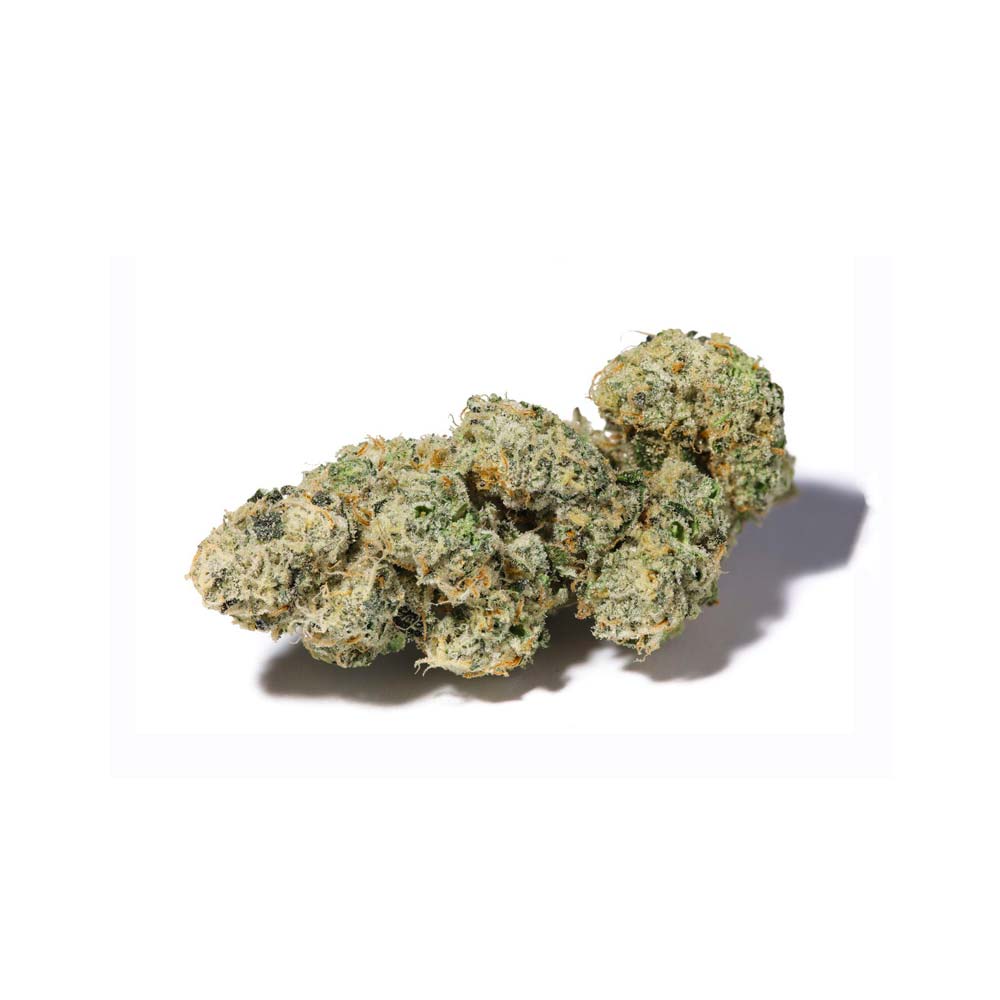
Imported whole-plant flower such as Tilray products (various THC ratios from 10-22%) and Bedrocan varieties provide higher THC concentrations. These are prescribed as dried flower for vaporisation, avoiding smoking-related harms.
High-THC oil-based products deliver concentrated cannabinoids in capsule or sublingual form, enabling precise dosing. THC-dominant formulations (10:1 THC:CBD ratio or higher) may prove more analgesically potent for neuropathic pain than balanced products.
Dosing typically initiates at 5-10mg THC daily, titrating upward by 5mg increments every 3-7 days until therapeutic benefit or adverse effects emerge. Effective doses often range 15-30mg THC daily, though individual variation is substantial.
Access and Prescribing Pathways
In November 2018, the UK legalised cannabis-based medical products following public pressure. Prescriptions require consultant specialists from designated specialties—typically pain management, neurology, or oncology—to initiate and monitor treatment. GPs may continue prescriptions once stabilised.
Access routes include:
NHS provision remains limited, with most Integrated Care Boards adopting restrictive pathways. Phantom pain is not standard indication, requiring specialist justification of previous treatment failures and absence of contraindications.
Private clinics specialising in medical cannabis provide faster, more accessible routes. Consultations cost £150-300, with monthly prescriptions ranging £120-300 depending on product and dosage. Reputable providers employ cannabis-experienced clinicians and coordinate with GPs.
Eligibility criteria require documented amputation-related phantom pain, documented failed conventional treatments (including neuropathic analgesics, physical therapy, pain interventions), absence of psychotic disorders or substance misuse history, and realistic expectations regarding outcomes.
Conclusion
Medical cannabis represents a legitimate therapeutic option for phantom pain when conventional treatments prove inadequate. The neurobiological mechanisms are well-established, evidence from neuropathic pain research is substantial, and high-THC formulations are legally accessible through UK specialists. While not a panacea, cannabis offers relief for many treatment-resistant amputees, potentially reducing opioid dependence and improving quality of life. Patients should pursue prescriptions through qualified specialists familiar with cannabinoid pharmacology and pain management, ensuring safe, monitored treatment within the regulated UK framework.