
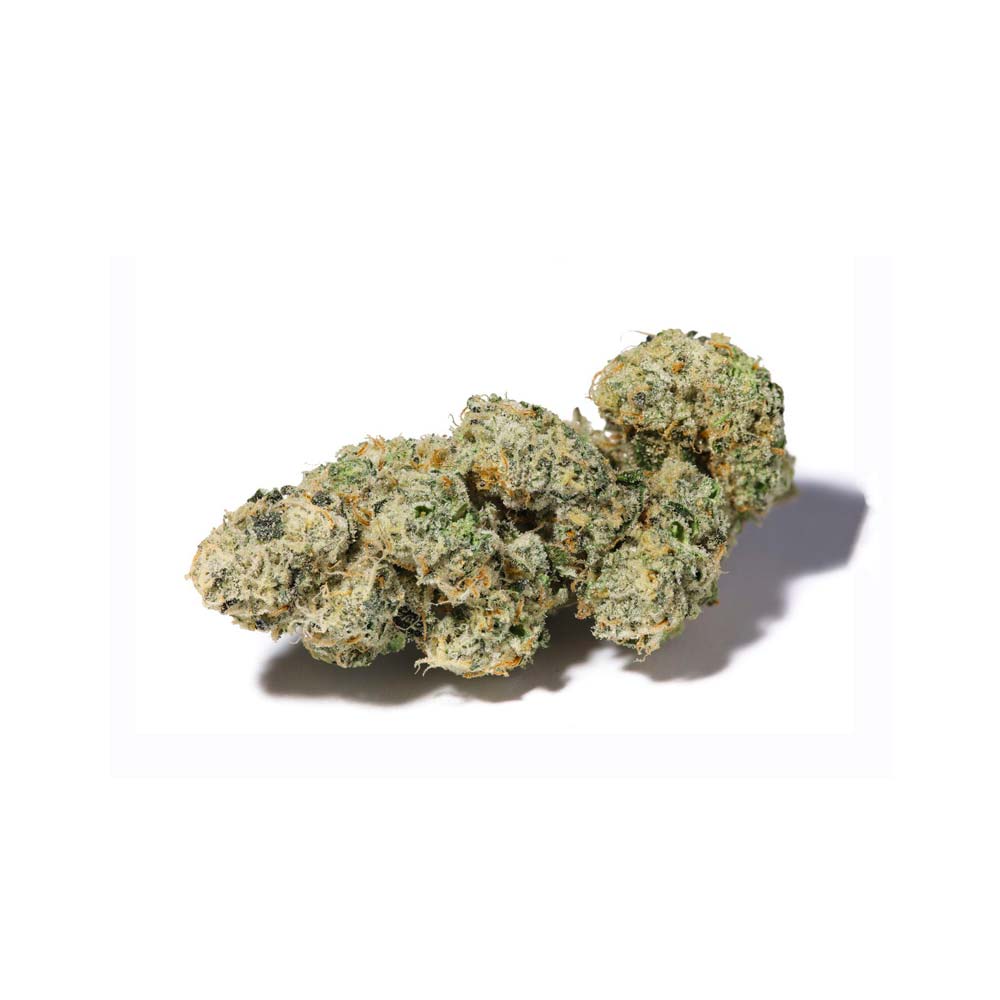
Best Cannabis Strains for Spasticity UK: A Comprehensive Guide for MS Patients
Multiple sclerosis (MS) affects approximately 130,000 people across the United Kingdom, with muscle spasticity being one of the most debilitating symptoms. Spasticity—characterised by involuntary muscle contractions and stiffness—impacts daily functioning, mobility, and quality of life for many patients. Recent research and patient testimonials suggest that certain cannabis strains may offer significant relief from these symptoms. This guide explores the best strains spasticity UK sufferers are accessing through legal medical cannabis channels.
Understanding Spasticity in Multiple Sclerosis
Spasticity occurs in approximately 80% of MS patients at some point during their condition. It manifests as increased muscle tone, rigid movements, and involuntary muscle contractions that can cause pain and restrict mobility. Traditional pharmaceutical treatments like baclofen and tizanidine often produce unwanted side effects including fatigue, weakness, and cognitive impairment.
The endocannabinoid system plays a crucial role in muscle regulation and motor control. Cannabis cannabinoids, particularly CBD and THC, interact with these systems to reduce muscle hyperactivity. Studies published in the journal Multiple Sclerosis and Related Disorders have shown that cannabis-based medicines can reduce spasticity severity by up to 30% in some patients.
High-CBD Dominant Strains for Spasticity Relief
CBD-dominant strains are frequently recommended for spasticity management due to their anti-inflammatory and muscle-relaxing properties without significant psychoactive effects. Charlotte’s Web and Harlequin are established choices, offering CBD:THC ratios of 20:1 and 5:2 respectively. These strains provide sustained relief without interfering with cognitive function, making them suitable for daytime use.
Cannatonic offers another CBD-rich option with a balanced 1:1 THC:CBD ratio, providing additional analgesic benefits for spasticity-related pain. UK medical best UK cannabis clinics frequently prescribe similar high-CBD flower or oil formulations. The advantage of CBD-dominant strains lies in their gentler onset and reduced risk of tolerance development.
Balanced THC:CBD Strains
Balanced strains containing equal or near-equal proportions of THC and CBD are particularly effective for patients experiencing moderate to severe spasticity. Swazi Gold and Pineapple Express deliver 1:1 ratios, combining muscle relaxation with pain relief. These strains work synergistically through the “entourage effect,” where multiple cannabinoids enhance each other’s therapeutic properties.
UK patients accessing Nabiximols (Sativex), the only GMP-approved cannabis-based medicine in Britain, benefit from a 1:1 formulation specifically designed for spasticity management. Clinical trials demonstrated that Nabiximols improved spasticity scores in 75% of participating MS patients. For those seeking whole-plant alternatives, balanced strains offer comparable benefits with more flexible dosing options.
THC-Dominant Strains for Severe Cases
When spasticity severely impacts mobility and quality of life, THC-dominant strains may warrant consideration. Northern Lights and OG Kush deliver potent muscle relaxation and sedative effects beneficial for nighttime spasticity management. These strains should be approached cautiously, as higher THC concentrations may cause cognitive effects requiring careful timing around daily activities.
OG Kush’s myrcene terpene profile enhances muscle relaxation, whilst Northern Lights’ sedative properties benefit patients experiencing spasticity-induced sleep disruption. Research indicates THC dosages between 5-10mg prove effective for spasticity without triggering tolerance or dependence issues in most patients.
Terpene Profiles and Their Therapeutic Significance
Terpenes—aromatic compounds in cannabis—significantly influence therapeutic outcomes for spasticity management. Myrcene promotes muscle relaxation and has anti-inflammatory properties. Strains like Skunk #1 and Cheese contain elevated myrcene concentrations, enhancing their spasticity-relieving effects.
Limonene offers mood elevation and stress reduction, beneficial as MS patients often experience anxiety alongside spasticity. Haze strains typically contain higher limonene levels. Linalool provides additional anti-inflammatory benefits and calming effects, found in abundance in lavender-scented strains like Amnesia.
Beta-caryophyllene, present in Bubba Kush and Girl Scout Cookies, interacts directly with CB2 receptors involved in immune regulation and pain perception, making these strains particularly suitable for inflammatory spasticity.
Consumption Methods for Optimal Relief
Vaporisation remains the preferred method for UK patients, allowing precise temperature control and consistent dosing. Temperatures between 185-210°C activate cannabinoids without producing harmful combustion byproducts. Dried flower vaporisation produces effects within 5-15 minutes, with duration spanning 2-4 hours—suitable for managing episodic spasticity.
Cannabis oils and tinctures offer longer-lasting relief (4-8 hours) through sublingual administration, ideal for consistent symptom management. Edibles provide extended effects but carry unpredictable onset times and absorption rates, making them less suitable for patients requiring precise symptom control.
Legal Access and Medical Consultation
UK patients can access cannabis-based medicines through NHS prescription following assessment by specialised clinicians. Private medical cannabis consultants also operate throughout the country, providing rapid access to legally prescribed products. Patients require specialist recommendations, typically from neurologists or MS specialists, before prescribing.
When consulting healthcare providers, mention specific strains alongside cannabinoid ratios and terpene profiles. Clinicians may recommend starting with 1-2mg THC combined with 5-10mg CBD daily, titrating gradually based on symptom response and tolerance development.
Managing Expectations and Monitoring Progress
Clinical experience suggests 4-6 weeks of consistent use before optimal spasticity relief becomes apparent. Keeping detailed symptom diaries—documenting muscle rigidity, pain levels, mobility, and sleep quality—helps identify whether specific strains effectively address individual symptoms.
Approximately 65% of MS patients report meaningful spasticity reduction with cannabis-based treatments. However, individual responses vary significantly based on genetics, existing medications, and spasticity severity. Some patients combine cannabis with physiotherapy for enhanced outcomes.
Conclusion
Finding the best strains spasticity UK patients can access legally requires individualised assessment and professional guidance. CBD-dominant strains suit daytime use, balanced strains provide comprehensive symptom management, whilst THC-dominant options address severe cases. Consulting registered medical best UK cannabis clinics ensures safe, legal access to appropriately formulated products tailored to specific symptom profiles and individual circumstances.