
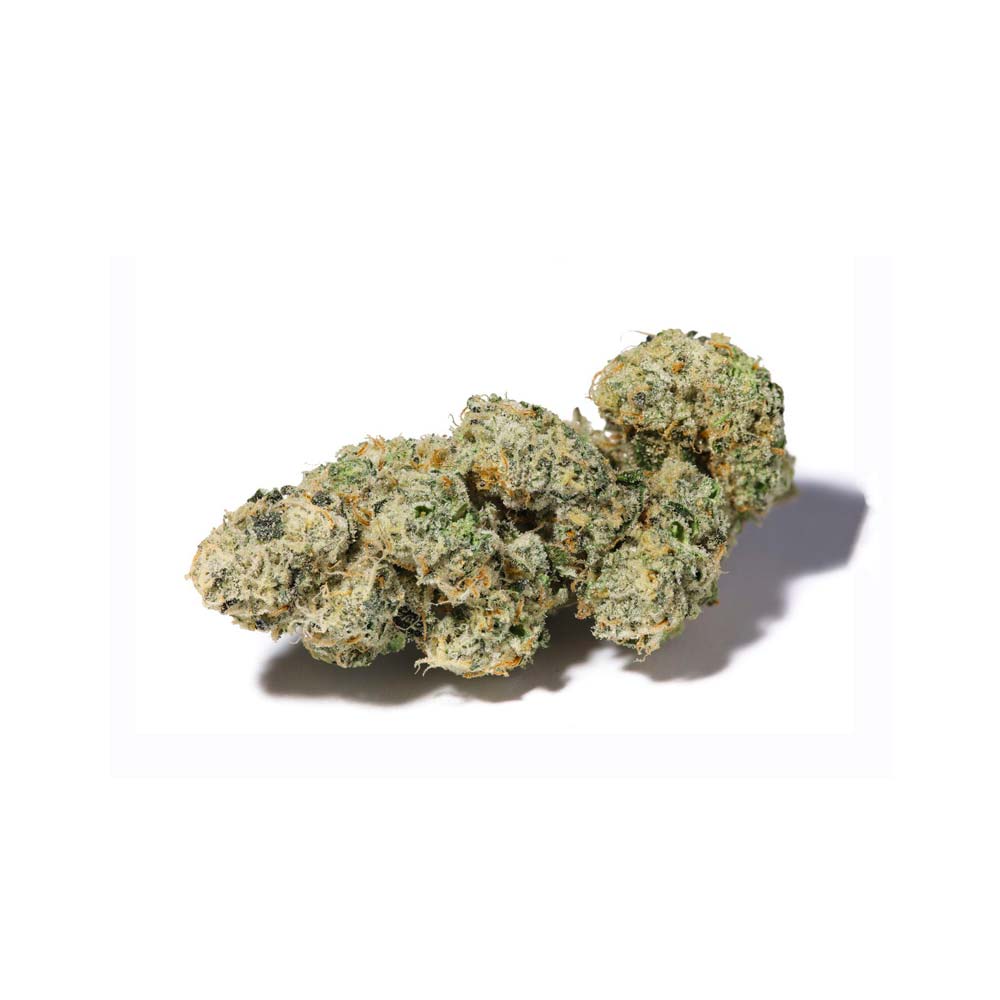
Vaping vs Smoking Cannabis UK: A Comprehensive Health Comparison
The debate surrounding cannabis consumption methods has intensified across the United Kingdom, particularly as more individuals seek safer alternatives to traditional smoking. Understanding the differences between vaping and smoking cannabis is essential for informed decision-making, whether you’re a medical patient or recreational user.
Understanding Cannabis Consumption Methods in the UK
Cannabis users in the UK traditionally relied on smoking through joints, spliffs, or water pipes. However, vaping technology has introduced a modern alternative that appeals to health-conscious consumers. Both methods deliver cannabinoids—primarily THC and CBD—but through different mechanisms, resulting in distinct health implications.
Smoking cannabis involves combustion, which burns plant material at temperatures exceeding 1000°C. Vaping, conversely, heats cannabis to temperatures between 160-220°C, releasing cannabinoid vapours without combustion. This fundamental difference significantly impacts health outcomes.
Respiratory Health Impacts of Smoking Cannabis
Smoking cannabis produces numerous harmful byproducts associated with combustion. Research from the British Lung Foundation indicates that cannabis smoke contains similar carcinogenic compounds as tobacco smoke, including polycyclic aromatic hydrocarbons and carbon monoxide.
Regular cannabis smoking can lead to:
- Chronic bronchitis and airway inflammation
- Impaired lung function and reduced vital capacity
- Increased risk of respiratory infections
- Potential long-term obstructive pulmonary disease symptoms
A study published in the British Medical Journal found that cannabis smokers showed significantly greater decline in forced expiratory volume compared to non-smokers. The inhaling and holding of smoke in the lungs exacerbates these effects.
Vaping Cannabis: Reduced Respiratory Burden
Vaping eliminates the combustion process, substantially reducing harmful byproducts. Research from the University of Cambridge demonstrated that vaping produces fewer toxic compounds than smoking. According to studies, vapers inhale approximately 95% fewer harmful chemicals than smokers.
Benefits of vaping include:
- Minimal respiratory irritation compared to smoking
- Elimination of carbon monoxide exposure
- Reduced tar and carcinogenic compound inhalation
- Lower incidence of coughing and throat irritation
For medical cannabis patients in the UK, vaping represents a gentler option for those managing conditions like multiple sclerosis or chronic pain. The Royal College of Physicians has acknowledged vaping’s reduced harm profile compared to combustion methods.
Cannabinoid Delivery Efficiency
Efficiency matters when consuming cannabis for therapeutic purposes. Vaping delivers cannabinoids more effectively than smoking. When cannabis is vaporised at optimal temperatures, approximately 90% of available cannabinoids are absorbed, compared to 50-60% through smoking.
This improved bioavailability means:
- Lower quantities needed to achieve desired effects
- More consistent dosing for medical users
- Reduced overall consumption and cost
- Better therapeutic outcomes for patients
Medical cannabis patients registered with UK clinics increasingly choose vaping to maximise their treatment efficacy whilst minimising respiratory exposure.
Combustion Byproducts and Cancer Risk
A significant concern with smoking cannabis involves carcinogenic compounds. Burning plant material produces ammonia, hydrogen cyanide, and nitrosamines—all potential carcinogens. Research in the European Journal of Respiratory Disease suggests long-term cannabis smokers face elevated respiratory cancer risks.
Vaping avoids these combustion byproducts entirely. No burning means no tar accumulation in airways. The British Medical Association has noted that whilst cannabis smoke contains known carcinogens, the evidence linking cannabis smoking directly to cancer remains less conclusive than tobacco-related cancers, though concerns persist.
Cardiovascular Considerations
Both smoking and vaping affect cardiovascular function through THC absorption, temporarily elevating heart rate and blood pressure. However, smoking cannabis also introduces carbon monoxide, which reduces blood’s oxygen-carrying capacity, creating additional cardiovascular strain.
Individuals with heart conditions should consider vaping’s reduced overall physiological burden. The cardiovascular effects from THC itself remain present regardless of consumption method, but smoking compounds these effects.
Addiction and Dependence Factors
Cannabis dependence relates primarily to THC consumption rather than the delivery method. However, vaping’s enhanced bioavailability and rapid THC absorption may potentially increase dependence risk in susceptible individuals. The efficient delivery means stronger effects from smaller quantities, which could influence habit formation.
Smoking cannabis often involves mixing with tobacco in spliffs, adding nicotine-related dependence elements. Vaping cannabis exclusively eliminates this complication.
Mental Health and Psychoactive Effects
Both methods deliver THC to the brain, affecting mental health similarly. However, vaping’s rapid onset and offset of effects may present advantages for medical users seeking controlled symptom management. The precise temperature control in vaping devices allows preferential extraction of different cannabinoids, potentially enabling users to select lower-THC, higher-CBD strains for reduced psychoactive effects.
Practical Health Recommendations for UK Users
For those currently smoking cannabis, transitioning to vaping offers significant health advantages. Recommendations include:
- Investing in quality vaping devices with temperature controls
- Starting at lower temperatures (160-170°C) to reduce irritation
- Staying hydrated during and after vaping sessions
- Regular respiratory health monitoring if using frequently
- Consulting healthcare providers about consumption methods
Medical cannabis patients should discuss vaping with their prescribing clinician, as healthcare providers now regularly recommend this method for optimised therapeutic outcomes.
Regulatory Status in the United Kingdom
Cannabis remains controlled under the Misuse of Drugs Act 1971, with possession illegal except for authorised medical use. However, vaping devices themselves are legal and widely available. Medical cannabis, legally prescribed since 2018, can be consumed via vaping under medical supervision.
Conclusion
Vaping vs smoking cannabis UK comparison clearly demonstrates vaping’s superior health profile. By eliminating combustion, vaping reduces exposure to harmful byproducts whilst improving cannabinoid delivery efficiency. For both recreational and medical cannabis users, vaping represents a meaningful harm reduction strategy. Regardless of chosen method, moderation and awareness of individual health circumstances remain paramount for responsible cannabis consumption.
Further Reading
- UK Medical Cannabis Strains Guide 2025: All You Need to Know
- Medical Cannabis Certificate UK – Is There One?