
THC vs THCA UK: What is the Difference?
The distinction between THC and THCA UK is crucial for anyone interested in cannabis, whether for medical purposes or general knowledge. These two compounds, whilst chemically related, have fundamentally different properties, legal statuses, and effects. Understanding their differences is essential for navigating the complex landscape of cannabis regulations in the United Kingdom.
What is THCA?
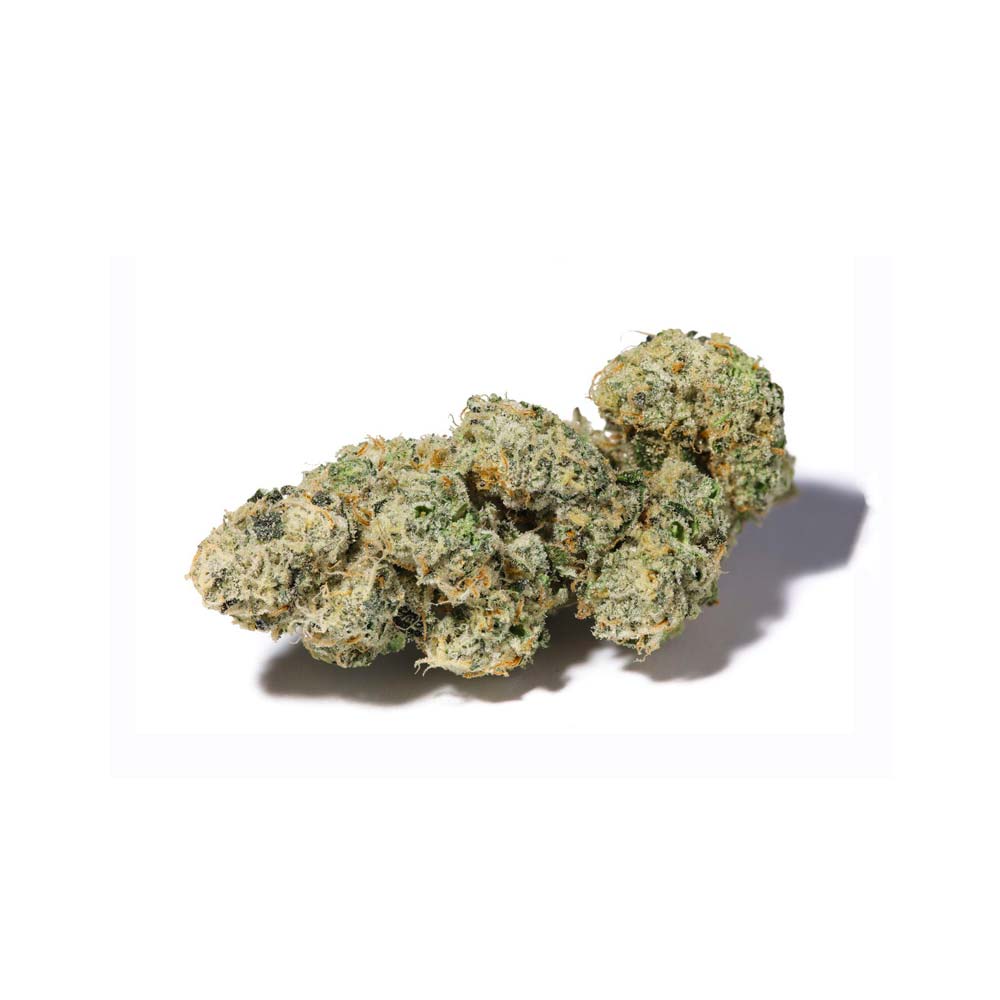
THCA, or tetrahydrocannabinolic acid, is the raw, acidic form of THC found naturally in fresh cannabis flowers. It is the most abundant cannabinoid produced by living cannabis plants. THCA is technically a precursor compound, meaning it transforms into THC through a chemical process called decarboxylation—a reaction triggered by heat.
In its natural state, THCA does not produce the psychoactive effects commonly associated with cannabis use. Fresh, unheated cannabis contains predominantly THCA rather than THC. This distinction is vital for understanding the UK’s legal framework surrounding cannabis products.
What is THC?
THC, or tetrahydrocannabinol, is the psychoactive compound in cannabis responsible for the “high” that users experience. When THCA is heated—whether through smoking, vaping, or cooking—it loses a carboxyl group and converts into THC. This activated form binds readily to cannabinoid receptors in the brain and body, producing therapeutic and intoxicating effects.
THC is the compound most heavily regulated by UK law. Under the Misuse of Drugs Act 1971, cannabis containing THC remains a Class B drug in the United Kingdom, except in strictly controlled medical circumstances.
Chemical Differences Explained
The chemical difference between THCA and THC, whilst seemingly minor, creates significant functional variations. THCA possesses an extra carboxyl group (COOH) attached to its molecular structure. This single addition prevents THCA from effectively binding to cannabinoid receptors in the brain, which explains its lack of psychoactive properties.
When exposed to temperatures typically above 70°C, THCA undergoes decarboxylation, removing the carboxyl group and forming THC. This process is irreversible and fundamental to how cannabis is consumed. Even storage conditions and time can gradually convert small amounts of THCA to THC, though this occurs very slowly at room temperature.
Psychoactive Effects: THCA vs THC
The most noticeable difference between THCA and THC lies in their psychoactive properties. THC produces the well-documented cannabis high, characterised by euphoria, altered perception, and impaired cognition. In contrast, THCA consumption—even in substantial quantities—does not produce intoxication or cognitive impairment.
Some users report consuming raw cannabis products containing THCA and experiencing subtle effects, though these are not consistent and are generally far milder than THC effects. Research is still emerging regarding the potential biological activity of THCA, with some studies suggesting it may have anti-inflammatory properties without the psychoactive punch of THC.
Legal Status in the UK
This is where the THCA distinction becomes particularly important for UK residents. THCA itself is not explicitly listed as a controlled substance under UK law, as it is not psychoactive. However, cannabis plants and raw cannabis containing THCA remain illegal under the Misuse of Drugs Act 1971 because the plant material is classified as cannabis.
In November 2023, the Home Office clarified guidance on cannabinoid products. Products containing pure THCA in isolated form exist in a legal grey area, though possession of plants or raw material remains illegal. The situation remains complex, and consumers should exercise caution and seek legal advice before purchasing any cannabis-related products.
Medically, NHS prescriptions for cannabis-based products are limited to specific conditions—typically multiple sclerosis spasticity, chemotherapy-induced nausea and vomiting, and severe epilepsy. These prescriptions may contain THC, CBD, or both, but are strictly controlled by medical professionals.
Medical Applications and Research
Both THCA and THC demonstrate potential medical benefits, though research in the UK remains limited due to strict regulatory frameworks. THC has established therapeutic applications, including pain management, nausea reduction, and appetite stimulation. Approximately 2,000 patients in England have received NHS prescriptions for cannabis-based products since November 2023.
THCA is gaining research attention for potential benefits without intoxication. Early studies suggest anti-inflammatory, neuroprotective, and antiemetic properties. These characteristics make THCA theoretically attractive for patients seeking therapeutic benefits without psychoactive effects, though clinical evidence remains limited.
Decarboxylation: The Transformation Process
Understanding how THCA converts to THC is essential for anyone handling cannabis. This transformation occurs through:
- Smoking or vaping: High temperatures instantly convert THCA to THC
- Cooking: Oven heating at moderate temperatures converts THCA during preparation
- Drying and curing: Slow, prolonged heat gradually converts some THCA to THC
- Storage: Over extended periods, minimal conversion occurs naturally
This process explains why smoking cannabis produces immediate effects, whilst raw cannabis consumption does not.
Testing and Identification
Laboratory testing can distinguish between THCA and THC, though this analysis is rarely available to UK consumers. Reputable cannabis testing facilities use chromatography methods to identify and quantify cannabinoids. Results typically show THCA and THC separately, allowing consumers to understand the product’s composition before decarboxylation.
In the UK, unregulated cannabis products cannot be reliably tested, creating uncertainty about actual THC content and potential contaminants.
Practical Implications for UK Users
For those interested in cannabis in the UK, several practical considerations emerge from understanding THC vs THCA. If seeking medical cannabis, consultation with a healthcare professional is essential, as NHS prescriptions remain restrictive. Private clinics offering cannabis prescriptions have expanded, though these services are expensive and not universally available.
For general consumers, the distinction between THCA and THC is largely academic given the UK’s legal framework. Possession of cannabis plants or raw material remains illegal regardless of THCA content. The safest approach is to remain informed about evolving legal standards and consult qualified professionals before considering any cannabis products.
Conclusion
Understanding THC vs THCA UK is important for informed decision-making regarding cannabis. Whilst THCA lacks psychoactive properties and exists in a legal grey area, the plant material containing it remains controlled. THC, conversely, is strictly regulated but has established medical applications through NHS and private channels. As cannabis research and policy evolve in the UK, staying informed about these distinctions will remain valuable for anyone navigating this complex subject.