
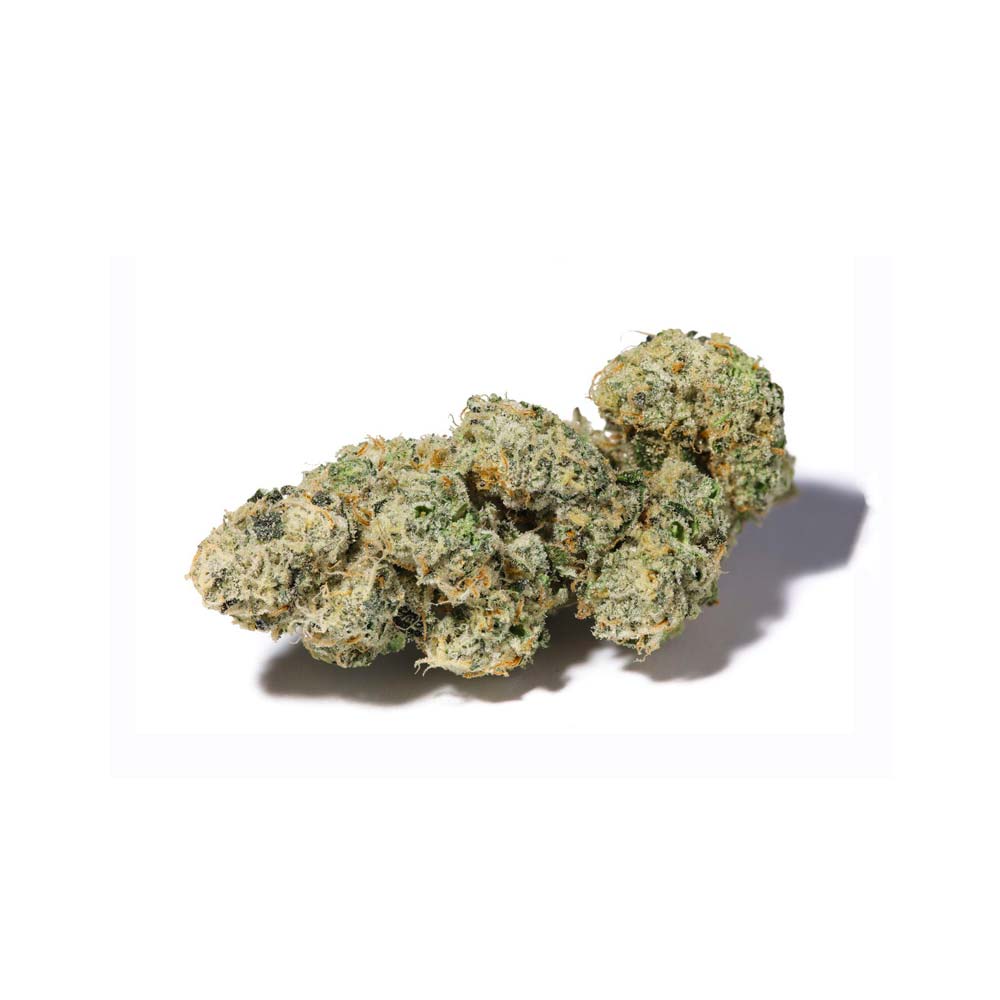
What Is THCA?
Tetrahydrocannabinolic acid, commonly abbreviated as THCA, is the raw, unheated precursor to THC (tetrahydrocannabinol), the compound responsible for cannabis’s psychoactive effects. When cannabis plants are growing or freshly harvested, THCA comprises the majority of cannabinoids present, rather than THC itself. Despite its chemical relationship to THC, THCA is fundamentally non-psychoactive, meaning it does not produce the “high” associated with cannabis use. This distinction is crucial for understanding both the legal and practical implications of THCA products now appearing across the United Kingdom.
The Science of Decarboxylation: How THCA Becomes THC
The conversion of THCA to THC occurs through a chemical process called decarboxylation, which involves the removal of a carboxyl group from the THCA molecule. This transformation requires heat and time. When cannabis is smoked, vaped, or heated during cooking, decarboxylation happens rapidly, converting THCA into psychoactive THC. The temperature doesn’t need to be extreme—normal combustion temperatures or even gentle heating around 100 degrees Celsius can trigger this conversion. This process explains why raw cannabis juice or unheated plant material contains little to no psychoactive effects, whilst the same plant material becomes intoxicating after heating. Understanding this mechanism is fundamental to grasping why THCA and THC occupy different legal and practical spaces.
The Legal Grey Area: THCA’s Status in the UK
The legal status of THCA in the United Kingdom exists in a murky grey area. The Misuse of Drugs Act 1971 specifically controls THC, not THCA. Since THCA itself is not THC and does not produce psychoactive effects in its raw form, technically it does not fall under the Act’s definitions of controlled substances. However, this does not mean THCA is explicitly legal. The law’s ambiguity stems from the fact that THCA can be readily converted to THC through heat. The Crown Prosecution Service and enforcement agencies have not issued clear guidance on whether possessing THCA products intended for heating and consumption constitutes an offence. This uncertainty creates a precarious legal environment for both retailers and consumers.
THCA Products Emerging Online
Over recent years, THCA products have proliferated across UK online retailers, capitalising on this legal ambiguity. These products include THCA-rich cannabis flowers, concentrates, and distillates, often marketed with names and branding that deliberately blur the line between hemp and cannabis. Many retailers claim these products are legal because they contain no THC prior to consumption. Some products are marketed as “hemp-derived” despite containing THCA levels comparable to illicit cannabis. This online marketplace operates in a regulatory vacuum, with minimal oversight or quality control, creating both accessibility and serious risks for consumers.
Health Risks of THCA Products in the UK
The proliferation of unregulated THCA products presents several concerning health risks. Without proper licensing and quality testing, there is no guarantee of product purity or safety. Contamination with heavy metals, pesticides, or microbial pathogens is possible. Additionally, consumers purchasing THCA products with the intention of heating them for consumption are effectively obtaining cannabis without the legal protections or medical oversight afforded to NHS patients or those purchasing from licensed dispensaries. The dosing and potency of online THCA products are often unpredictable, potentially leading to unexpectedly strong effects. Furthermore, the lack of regulatory clarity means consumers have no recourse if products prove harmful or misrepresented.
Potential Therapeutic Benefits Under Research
Beyond recreational considerations, THCA is attracting serious scientific attention for its potential therapeutic properties. Research suggests THCA may possess neuroprotective qualities, potentially benefiting conditions involving neurodegeneration. Studies indicate anti-inflammatory properties that could address various inflammatory conditions. Some preliminary evidence suggests THCA may help with nausea and appetite stimulation. The advantage of THCA is that these benefits may be accessed without psychoactive effects, making it potentially suitable for patients who require therapeutic cannabinoids but cannot tolerate intoxication. However, most of this research remains in early stages, and robust clinical trials in humans are limited.
THCA Versus THC: Testing and Detection Differences
Laboratory testing can distinguish between THCA and THC, using chromatography methods that separate these cannabinoids based on their different chemical structures. This distinction is essential for regulatory compliance and product labelling. However, standard roadside drug testing cannot reliably differentiate between THCA and THC, creating practical complications for law enforcement and individuals potentially subjected to testing.
What UK Law Actually Says About THCA
Currently, UK law contains no specific provisions addressing THCA directly. The Misuse of Drugs Act controls THC, not THCA. The Home Office has not issued definitive guidance on THCA’s legality. This absence of explicit regulation creates the grey area where THCA products currently operate. Any consumer or retailer should recognise that this legal ambiguity could shift with enforcement actions or legislative changes. The safest position is acknowledging that whilst THCA itself may not technically violate the law, possessing THCA products specifically intended for heating and consumption could face legal challenge, particularly if prosecuted under provisions relating to cannabis production or supply.
Further Reading
- THC vs CBD UK: Medical Benefits, Legality & Uses
- Delta-8 THC UK: Is It Legal and What You Need to Know
- THC Legal Limit UK — What Is Allowed, CBD vs THC Law