THCA is the precursor of THC and plays a crucial role in the cannabis plant. It is not psychoactive itself, but has exciting medicinal effects and is converted into the well-known THC by heat. But what exactly is THCA, how does it work in the body and what significance does it have in cannabis flowers? Here you can find out everything you need to know about the effects, special features, medical research and the selection of flowers and extracts. Back to overview: Cannabinoids & effects.
THCA: What exactly is that?
THCA stands for tetrahydrocannabinolic acid and is the acidic precursor of the well-known cannabinoid THC. In fresh and unprocessed cannabis flowers, THC is almost exclusively present as THCA. THCA is only converted into THC through heat, i.e. when smoking, vaporizing or baking – this process is called decarboxylation.
Recent studies show that THCA is not only a precursor of THC, but also has its own potentially therapeutic effects. Of particular interest are its anti-inflammatory and neuroprotective properties.
- THCA stands for tetrahydrocannabinolic acid
- Precursor of THC
- Does not have a psychoactive effect in raw form
THCA content in flowers: a decisive factor
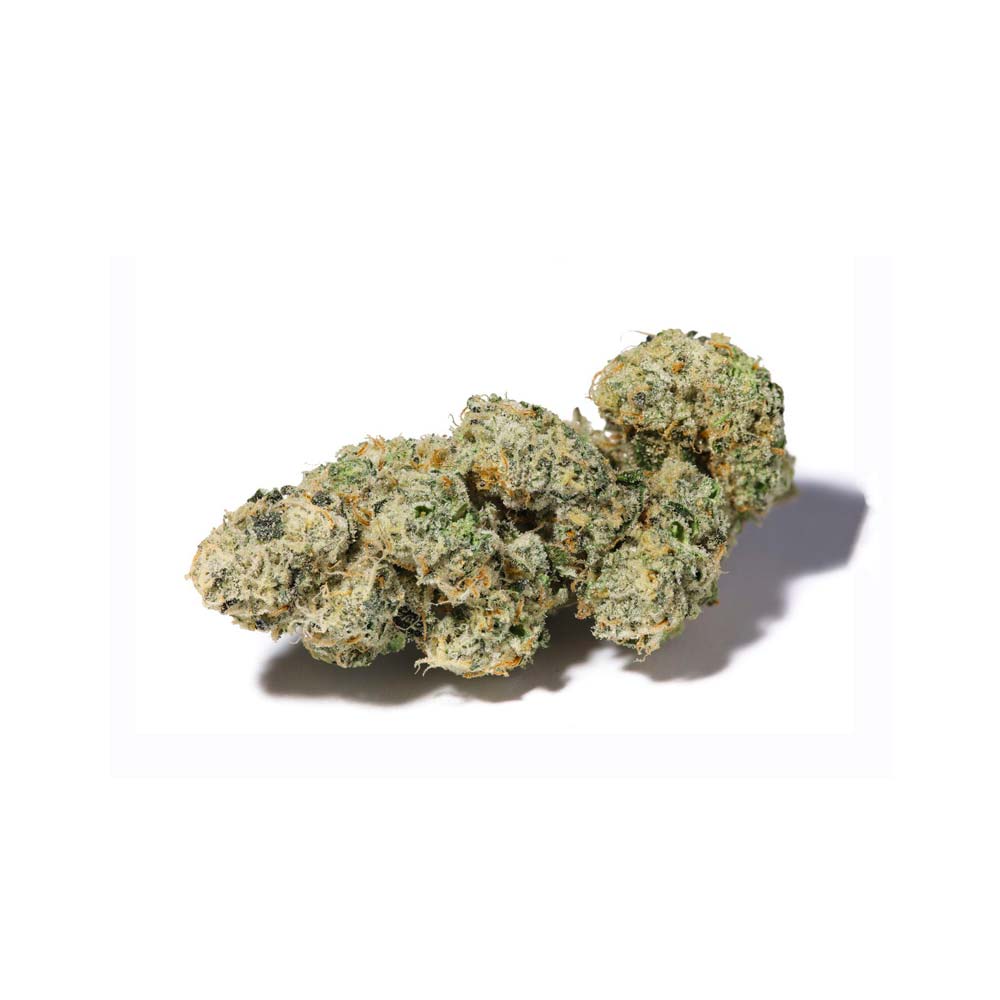
In most medicinal cannabis flowers, the THCA content is stated, not the THC content. This is because before the flowers are heated, almost all of the THC is present as THCA. Depending on the variety, the THCA content can be between 10% and 28%. Highly potent flowers can even contain up to 34% THCA.
Did you know? Without THCA there would be no THC – the psychoactive effect is only produced by heat and the conversion of the molecule.
How THCA works in the body

Wirkung von Cannabis, Beispiel Neuroprotektion
THCA hardly binds to the CB1 receptors in the brain, which is why it does not trigger any psychoactive effects. Instead, it acts via other signaling pathways and enzymes that influence inflammation, immune responses and neuronal health. Initial scientific evidence points to a possible role for THCA in the treatment of neurodegenerative diseases.
- Does not have an intoxicating effect
- Could be anti-inflammatory
- Undergoing intensive medical research
Studies on THCA
- THCA as PPARγ agonist – neuroprotection
- THCA for arthritis – preclinical
- THCA: Receptor affinity – Analysis
THCA and decarboxylation
The conversion of THCA into THC takes place through heat or long-term exposure to light. This process is crucial if flowers or extracts are to be used for their psychoactive effect. In medicine, however, THCA can be used specifically if therapeutic effects without intoxication are desired.
THCA compared to THC, CBD and CBGA
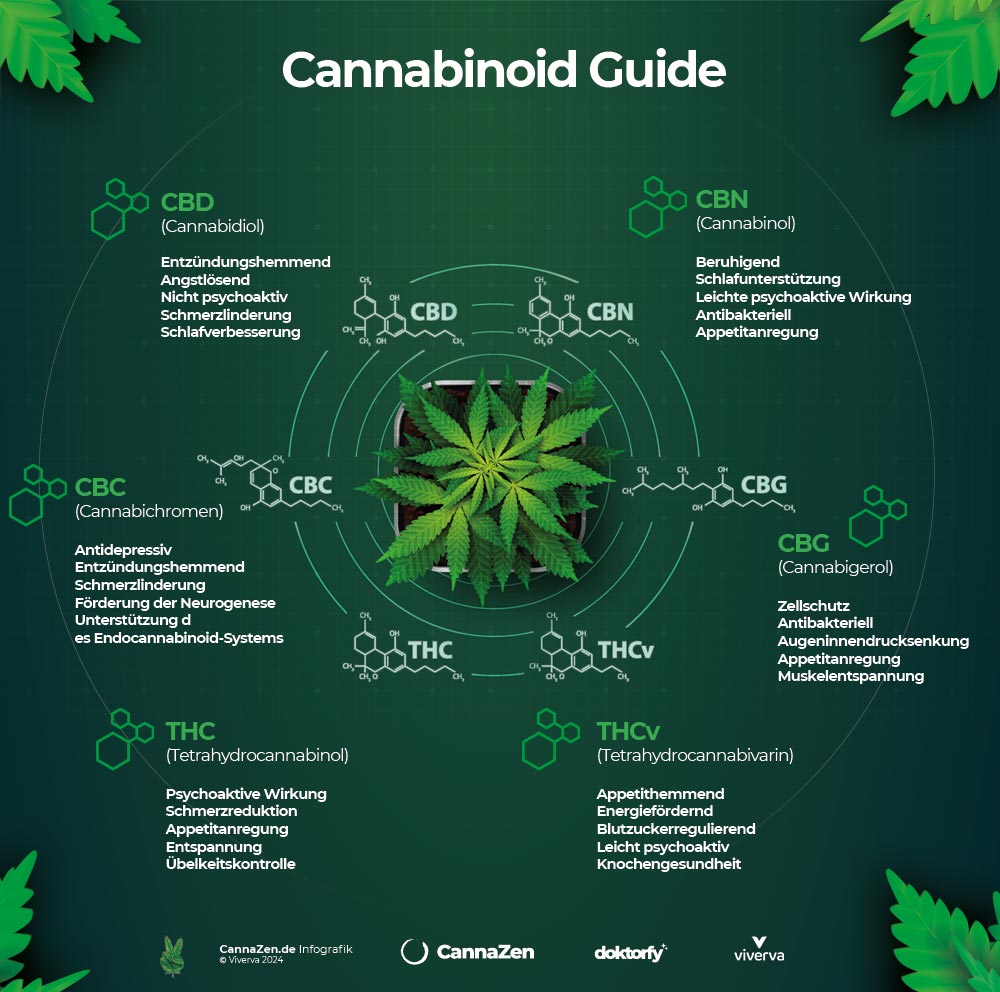
Cannabinoide Übersicht
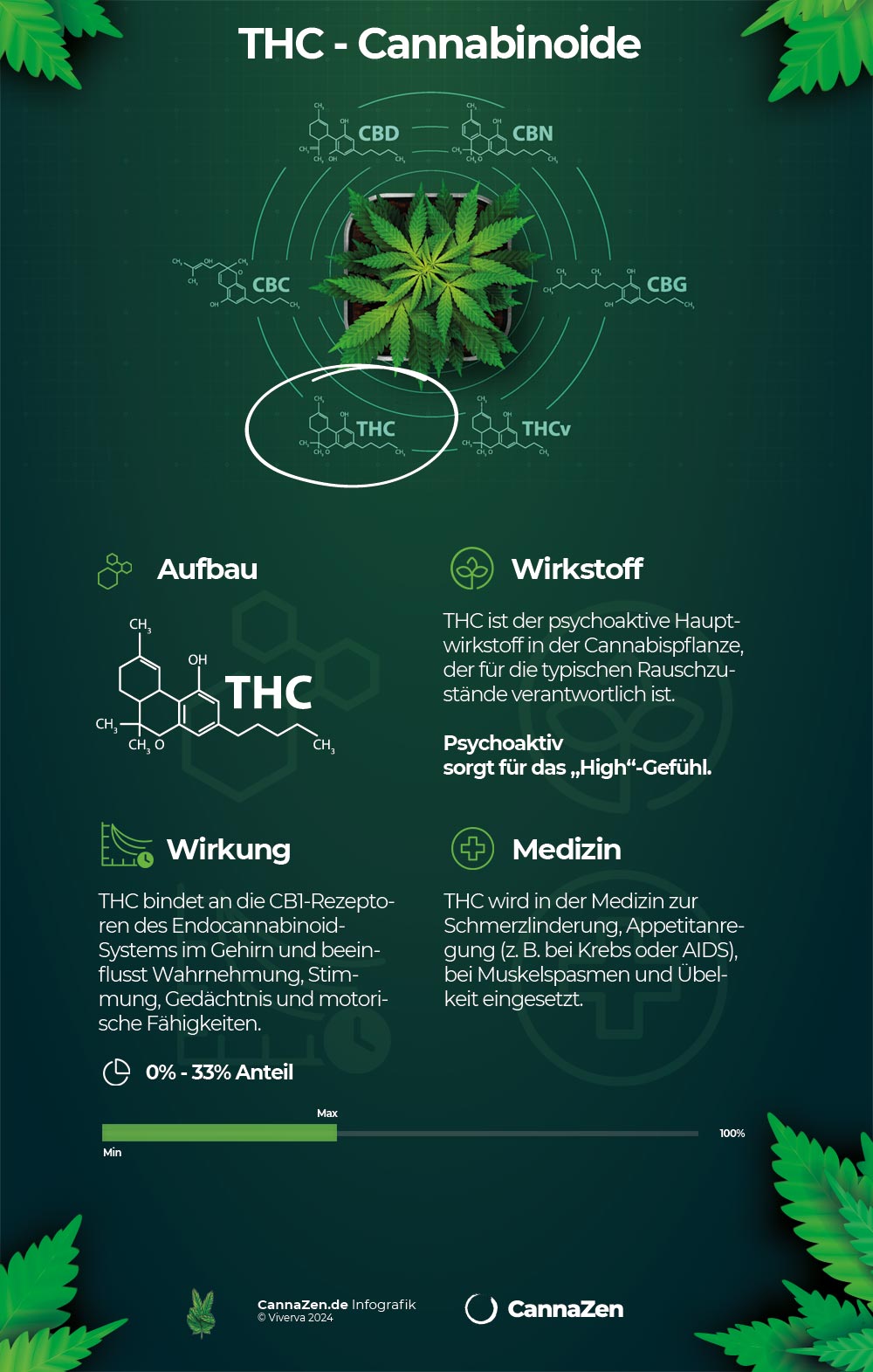
Cannabinoids such as THC, CBD, CBC, CBGA and THCA fulfill different functions. THC provides the psychoactive effect, CBD has a calming and anti-inflammatory effect, while THCA has no intoxicating effects in its raw form. Instead, it has its own medical potential, which is receiving increasing attention in research.
THCA is at the beginning of the THC effect chain – it provides the basis, but also develops its own effects without getting you “high”.
Make a note of THCA and its special features:
- THCA is the acidic precursor of THC
- Not psychoactive in raw form
- Could have many medical uses
THCA and the entourage effect
THCA also plays a role in the “entourage effect“. In combination with CBD, THC and other cannabinoids, certain effects reinforce each other. For this reason, flowers and extracts are often specifically selected so that the THCA content is optimally matched to the desired effects.
This makes THCA a central link between the cannabis plant and its diverse effects – both for medical applications and for the understanding of cannabinoid research.
Cannabis effects: cannabinoids, terpenes and genetics
Cannabinoids, terpenes and genetics: Learn everything you need to know about medicinal cannabis on CannaZen.
- How does cannabis work?
- Cannabinoids (effect)
- Main active ingredients: THC(Δ9-THC) and CBD
- Terpenes (aroma and effect)
- Genetics (Sativa, Indica and hybrids)