
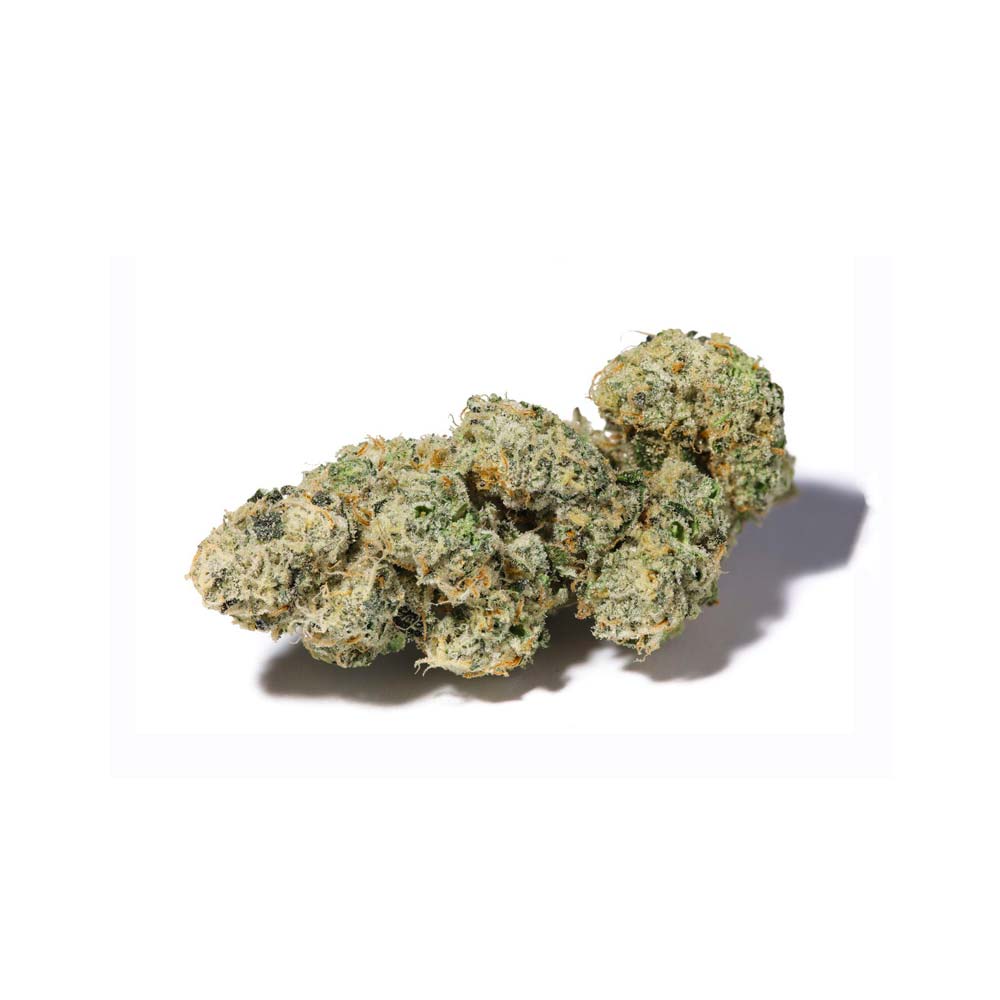
Synthetic Cannabis UK: Understanding Spice, K2, and the Real Dangers
Synthetic cannabis has become an increasingly concerning issue across the United Kingdom. Known colloquially as Spice, K2, and numerous other street names, these laboratory-manufactured substances are designed to mimic the effects of cannabis but pose significantly greater health and legal risks. This comprehensive guide examines what synthetic cannabis is, why it’s more dangerous than traditional cannabis, and the current legal landscape in the UK.
What is Synthetic Cannabis?
Synthetic cannabis refers to human-made chemical compounds sprayed onto plant material or sold as liquids. These substances bind to the same cannabinoid receptors in the brain as tetrahydrocannabinol (THC), the active ingredient in cannabis. However, synthetic cannabinoids are far more potent and unpredictable than their natural counterparts.
The chemical composition of synthetic cannabis products varies significantly between batches and manufacturers. Common synthetic cannabinoids include JWH-018, HU-210, and various other novel compounds that chemists continuously modify to evade legal restrictions. This constant reformulation makes it impossible for users to know exactly what they’re consuming or what effects they might experience.
Spice and K2: The Most Common Street Names
Spice and K2 are among the most recognised brand names for synthetic cannabis in the UK and internationally. Originally marketed in the early 2000s as “legal highs” and sold under the guise of herbal incense or potpourri, these products quickly gained notoriety for their severe adverse effects.
These substances are often sold in colourful packaging with misleading labels claiming they contain natural herbs or plant material. In reality, the active ingredients are entirely synthetic compounds with no botanical origins. The packaging frequently includes disclaimers stating “not for human consumption” to circumvent regulatory oversight, though their intended purpose is entirely clear to retailers and consumers alike.
The Dangers of Synthetic Cannabis
The health risks associated with synthetic cannabis are substantially greater than those posed by traditional cannabis. Users report experiencing severe psychiatric symptoms, cardiovascular problems, and acute physical reactions that can require emergency medical intervention.
Physical Health Risks: Synthetic cannabis use has been linked to rapid heart rate, elevated blood pressure, chest pain, and in severe cases, myocardial infarction (heart attack). Seizures, kidney damage, and acute kidney injury have been documented following synthetic cannabinoid consumption. Additionally, users report extreme nausea, vomiting, and violent behaviour.
Mental Health Consequences: The psychiatric effects of synthetic cannabis are particularly alarming. Users frequently experience acute psychosis, hallucinations, paranoia, and violent thoughts. Unlike cannabis-induced anxiety, which typically resolves within hours, synthetic cannabinoid-induced psychosis can persist for extended periods and may trigger underlying mental health conditions.
According to data from UK emergency departments, synthetic cannabis-related presentations have increased substantially in recent years. The National Poisons Information Service reported significant numbers of calls related to synthetic cannabinoid poisoning, with many cases requiring hospitalisation.
Comparison with Traditional Cannabis
Whilst medical cannabis remains a topic of ongoing research and discussion in the UK, natural cannabis and synthetic cannabis represent fundamentally different substances with distinct risk profiles.
Traditional cannabis contains multiple cannabinoids and terpenes that work synergistically, a phenomenon known as the “entourage effect.” This complexity means effects are more predictable and typically less severe than those of synthetic cannabinoids. Medical-grade cannabis products undergo rigorous testing and contain standardised cannabinoid concentrations.
Synthetic cannabinoids, conversely, are typically far more potent and selective in their receptor binding. They lack the regulatory compounds found in natural cannabis and can cause receptor over-activation in the brain. This fundamental difference explains why synthetic cannabis poses substantially greater health risks, despite being marketed as a “legal” alternative.
Legal Status in the UK
The legal situation surrounding synthetic cannabis in the UK has evolved significantly since these substances first appeared. In 2016, the Psychoactive Substances Act was enacted, which banned the supply and production of any substance intended to produce psychoactive effects. This legislation effectively criminalised most synthetic cannabinoids.
Despite the blanket ban, synthetic cannabis continues to be manufactured and distributed. The constant reformulation of chemical compounds means that suppliers can legally argue novel synthetics are not covered by existing legislation, creating a perpetual game of legislative catch-up. Newer synthetic cannabinoids regularly appear in circulation before they can be formally scheduled.
Legal Consequences: Possession of synthetic cannabis for personal use can result in arrest and prosecution. Production and supply carry significantly harsher penalties, including substantial prison sentences. The 2016 Act introduced the possibility of unlimited fines and imprisonment for supplying psychoactive substances.
Why These Substances Remain Available
Despite comprehensive legal prohibition, synthetic cannabis remains readily available throughout the UK. Several factors contribute to this persistent availability:
- Online retailers operating from jurisdictions with weaker legislation continue supplying UK customers
- Physical street-level distribution networks remain active in many urban areas
- Continuous chemical reformulation creates regulatory gaps
- Economic incentives for suppliers remain substantial due to high profit margins
- Relatively low perceived risk amongst vulnerable user populations, including homeless individuals and those with existing substance use disorders
Recognising Synthetic Cannabis Use
Identifying synthetic cannabis use can be challenging, as effects vary considerably based on the specific compound consumed. However, certain warning signs may indicate someone has used these substances:
- Severe agitation or anxiety
- Rapid or irregular heartbeat
- Confusion or disorientation
- Violent or aggressive behaviour
- Hallucinations or delusions
- Seizures
- Suicidal ideation
Support and Treatment Options
If you or someone you know is struggling with synthetic cannabis use, support is available. The NHS provides specialist addiction services through local drug and alcohol services. These services offer assessment, counselling, and pharmacological support to assist individuals in reducing or ceasing use.
Organisations such as Frank UK provide confidential information and support regarding drug use. Many areas operate needle and syringe programmes and harm reduction services that can provide additional support to vulnerable individuals.
Conclusion
Synthetic cannabis represents a significant public health challenge in the United Kingdom. These laboratory-manufactured substances are substantially more dangerous than natural cannabis, carrying acute risks of severe physical and psychological harm. The legal prohibition on synthetic cannabinoids is comprehensive, yet these substances remain accessible due to continuous chemical reformulation and online distribution networks.
Understanding the dangers of synthetic cannabis is essential for protecting public health. If you have concerns about your own use or that of someone else, seeking support from NHS services or specialist organisations is strongly recommended. The risks associated with these substances far outweigh any perceived benefits, and professional support can facilitate recovery and improved wellbeing.