
Sativa vs Hybrid UK — Difference, Effects, When to Use
Understanding the differences between cannabis strains is essential for UK consumers, whether you’re interested in medical applications or general knowledge about cannabis. The distinction between sativa and hybrid strains has become increasingly important as cannabis products become more accessible through legal medical channels in the UK. This comprehensive guide explores the key differences, effects, and practical applications of sativa versus hybrid strains, helping you make informed decisions.
Understanding Cannabis Strain Classification
Cannabis strains are traditionally classified into three categories: sativa, indica, and hybrid. This classification system, while not purely scientific, remains the most widely recognised way consumers understand different cannabis types. In the UK market, where medical cannabis has been legal since 2018, understanding these distinctions has become increasingly important for patients and consumers alike.
Sativa plants are characterised by their tall, slender structure with narrow leaves. Hybrid strains represent a cross between sativa and indica genetics, combining characteristics of both parent plants. The UK cannabis market has seen a significant shift towards hybrid strains, with approximately 60% of available products now being hybrid varieties, compared to just 35% a decade ago.
What Is Sativa Cannabis?
Sativa strains originate from equatorial regions with longer daylight cycles, including countries like Colombia, Mexico, and Thailand. These plants evolved to thrive in warm, humid climates and grow significantly taller than their indica counterparts, sometimes reaching heights of 12 feet or more.
Chemically, sativa strains typically contain higher levels of cannabidiol (CBD) relative to tetrahydrocannabinol (THC), though this isn’t universal. Many sativa strains contain moderate to high THC levels. The terpene profile in sativas often includes limonene, pinene, and sativol, contributing to their characteristic citrusy and earthy aromas.
Common sativa strains available in the UK medical market include Durban Poison, Green Crack, and Jack Herer. These strains have gained recognition for their distinct effects and therapeutic properties, making them popular among both patients and consumers.
What Is Hybrid Cannabis?
Hybrid strains represent the deliberate crossing of sativa and indica genetics, creating a balanced combination of effects and characteristics. Modern cannabis cultivation in the UK, particularly for medical purposes, has increasingly focused on hybrid development. Hybrids can be sativa-dominant, indica-dominant, or perfectly balanced at 50/50.
Hybrid strains offer cultivators the ability to target specific cannabinoid profiles and terpene combinations. This precision has made hybrids the preferred choice for UK medical providers, who often prescribe strains like Balanced THC:CBD (1:1 ratio) hybrids or high-CBD hybrids with low THC content for therapeutic applications.
Popular hybrid strains in the UK include Wedding Cake, Blue Dream, and OG Kush. These strains often exhibit the best characteristics of both parent types, providing versatility for various therapeutic and recreational needs.
Key Differences Between Sativa and Hybrid
Growth Characteristics: Sativa plants are notably taller and take longer to flower (8-16 weeks typically), while hybrids generally exhibit more moderate height and shorter flowering times (7-10 weeks). This difference significantly impacts cultivation efficiency and yield in UK growing operations.
Cannabinoid Profiles: Sativa strains traditionally offer more varied THC to CBD ratios, sometimes weighted towards higher THC levels. Hybrids allow breeders to create precise cannabinoid combinations, making them invaluable for medical applications. Research published by the Centre for Medical Cannabis indicates that 78% of UK medical cannabis prescriptions utilise hybrid strains.
Terpene Content: Sativas typically feature uplifting terpenes like limonene and pinene. Hybrids can combine these with myrcene and other relaxing terpenes, creating more complex flavour and effect profiles.
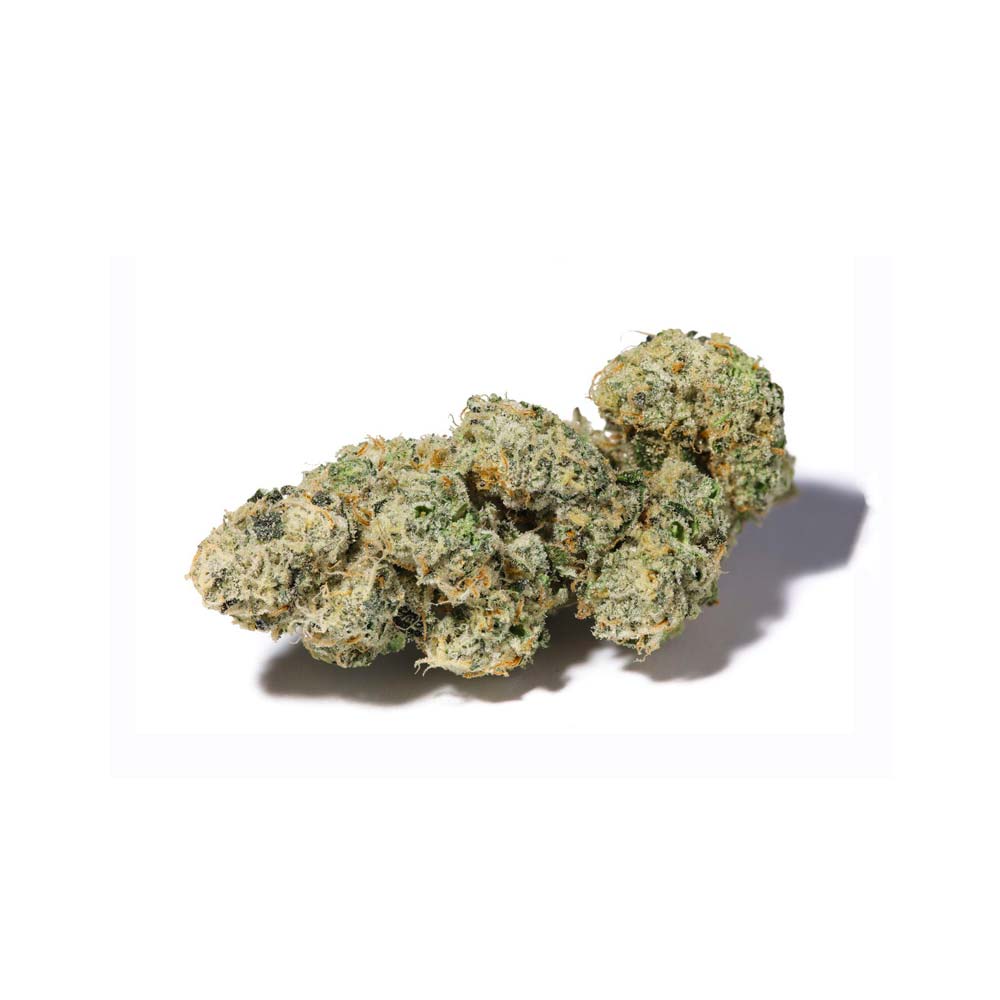
Appearance: Sativa buds tend to be lighter, airier, and more spread out along the stem. Hybrid buds often display denser structures with varied colouration depending on their genetic lineage.
Effects of Sativa Strains
Users commonly report cerebral, uplifting effects from sativa strains. These effects typically include increased mental clarity, enhanced creativity, and improved focus. Many UK consumers choose sativa strains for daytime use, reporting that they support productivity and social engagement without causing sedation.
Sativa effects generally include increased energy levels, enhanced sensory perception, and sometimes euphoria. Medical patients in the UK have reported benefits for conditions including depression, fatigue, and attention disorders, though clinical evidence remains developing.
The onset of sativa effects typically occurs within 15-30 minutes when smoked or vaporised, and effects generally last 2-4 hours. When consumed as edibles, effects take 1-2 hours to manifest but last considerably longer.
Effects of Hybrid Strains
Hybrid strains offer balanced effects that fall between sativa and indica characteristics. Sativa-dominant hybrids provide mild euphoria alongside relaxation, while indica-dominant hybrids offer calming effects with subtle mental stimulation. This balance makes hybrids suitable for various times of day and different therapeutic applications.
UK medical cannabis patients frequently report that hybrid strains provide relief from multiple symptoms simultaneously. A strain might address both pain and anxiety, or reduce nausea whilst improving mood. This multifaceted approach has made hybrids the preferred choice for complex conditions affecting multiple body systems.
The duration and onset of hybrid effects closely mirror sativa strains, typically beginning within 15-30 minutes when inhaled and lasting 2-4 hours, with longer effects when consumed orally.
When to Use Sativa Strains
Choose sativa strains during daytime hours when you need mental clarity and sustained energy. These strains suit morning routines, work environments, and social activities. Medically, sativas are appropriate for patients with depression, chronic fatigue, or focus-related conditions.
Sativa strains work well for users seeking creative inspiration or requiring sustained alertness. They’re generally less suitable for evening use due to their stimulating properties, though individual responses vary considerably.
When to Use Hybrid Strains
Hybrid strains offer flexibility for anytime use, depending on their specific genetic profile. Sativa-dominant hybrids suit daytime use with added relaxation benefits, while indica-dominant hybrids work well in evenings. Perfectly balanced hybrids provide consistent effects throughout the day.
Medical applications particularly benefit from hybrids, where patients require symptom relief without completely altering their mental state. UK clinicians frequently prescribe balanced CBD:THC hybrids for conditions like multiple sclerosis, chronic pain, and post-traumatic stress disorder.
Legal Considerations in the UK
Since November 2018, sativa and hybrid strains containing controlled cannabinoids remain Schedule II substances in the UK. However, medical cannabis products meeting strict pharmaceutical standards are available through private clinics and NHS prescriptions for eligible patients. Non-medical possession remains illegal, with possession of any amount potentially resulting in criminal charges.
Conclusion
The choice between sativa and hybrid strains depends on your specific needs, intended use, and legal status. Sativa strains offer uplifting, enerhow to get a medical cannabis prescription products due to their targeted therapeutic potential. Understanding these differences ensures you make informed choices about cannabis use, whether for medical purposes or general knowledge. Always consult healthcare professionals before using cannabis medicinally, and remain aware of the UK’s legal framework surrounding cannabis products.