
Medical Cannabis for Menopause Symptoms in the UK: A Comprehensive Guide
Menopause affects millions of women in the UK, often bringing challenging symptoms including night sweats, insomnia, anxiety, and hot flushes. Whilst hormone replacement therapy (HRT) remains the standard medical approach, a growing number of women are exploring alternative treatments, including medical cannabis. This guide examines the current evidence, legality, and effectiveness of cannabis-based medicines for managing menopausal symptoms in the United Kingdom.
Understanding Medical Cannabis in the UK
Medical cannabis became legal in the UK in November 2018, but access remains tightly regulated. Cannabis-based medicinal products are prescription-only medicines available through specialist consultants. Unlike recreational use, medical cannabis is prescribed for specific conditions where conventional treatments have failed or caused intolerable side effects.
Two main active compounds are found in cannabis: cannabidiol (CBD) and tetrahydrocannabinol (THC). Understanding the differences between these compounds is crucial for patients considering this treatment pathway.
CBD vs THC: Key Differences
CBD (Cannabidiol) is non-intoxicating and doesn’t produce the ‘high’ associated with cannabis use. CBD products are increasingly available over-the-counter in the UK as food supplements, though their medicinal effectiveness remains under investigation. Research suggests CBD may help with anxiety and sleep disorders, though evidence remains limited.
THC (Tetrahydrocannabinol) is the psychoactive component responsible for cannabis’s intoxicating effects. Medical-grade THC is prescribed by specialists at lower, controlled doses than recreational use. Evidence indicates THC may be particularly effective for pain management and reducing hot flushes.
Many medical cannabis products contain a balanced combination of both compounds, which may provide synergistic benefits. Specialist doctors determine the optimal ratio based on individual patient needs and symptom profiles.
Menopause Symptoms and Cannabis: The Evidence
Hot Flushes and Night Sweats
Hot flushes and night sweats affect approximately 75% of menopausal women. These symptoms can severely impact daily functioning and sleep quality. Limited research suggests THC may help reduce the frequency and intensity of hot flushes by influencing temperature regulation in the hypothalamus. However, large-scale clinical trials specifically examining cannabis for hot flushes remain absent.
Sleep Disturbance and Insomnia
Sleep problems affect up to 80% of women during menopause. Medical cannabis, particularly products containing higher CBD ratios with lower THC, may improve sleep quality. THC can promote sleep initiation, whilst CBD may reduce anxiety-related sleep disruption. Patients frequently report improved sleep when using balanced cannabis products, though more rigorous clinical evidence is needed.
Anxiety and Mood
Menopausal women often experience heightened anxiety and mood fluctuations due to hormonal changes. CBD has shown promise in several studies for reducing anxiety disorders. The non-intoxicating nature of CBD makes it particularly appealing for daytime anxiety management. Some women find balanced products more effective, as trace amounts of THC may enhance mood-stabilising effects without causing intoxication.
Accessing Medical Cannabis on the NHS
Obtaining prescribed medical cannabis through the NHS is challenging. Cannabis-based medicinal products are only available where licensed doctors have exhausted conventional treatment options. Specialist consultants in pain management, neurology, or psychiatry may prescribe cannabis, but menopause-related symptoms are not currently a standard indication on the NHS.
Private Medical Cannabis Access and Costs
Several private clinics in the UK now offer consultations for medical cannabis prescriptions. The process typically involves:
- Initial consultation with a specialist (£150-£300)
- Medical assessment and history review
- Prescription issuance if approved
- Ongoing follow-up appointments
Product Costs
| Product Type | Typical Cost Range | Monthly Supply |
|---|---|---|
| CBD-dominant oil (20-30mg) | £60-£150 | 30ml bottle |
| Balanced THC:CBD (1:1) | £120-£250 | 30ml bottle |
| THC-dominant (for pain/flushes) | £150-£300 | 30ml bottle |
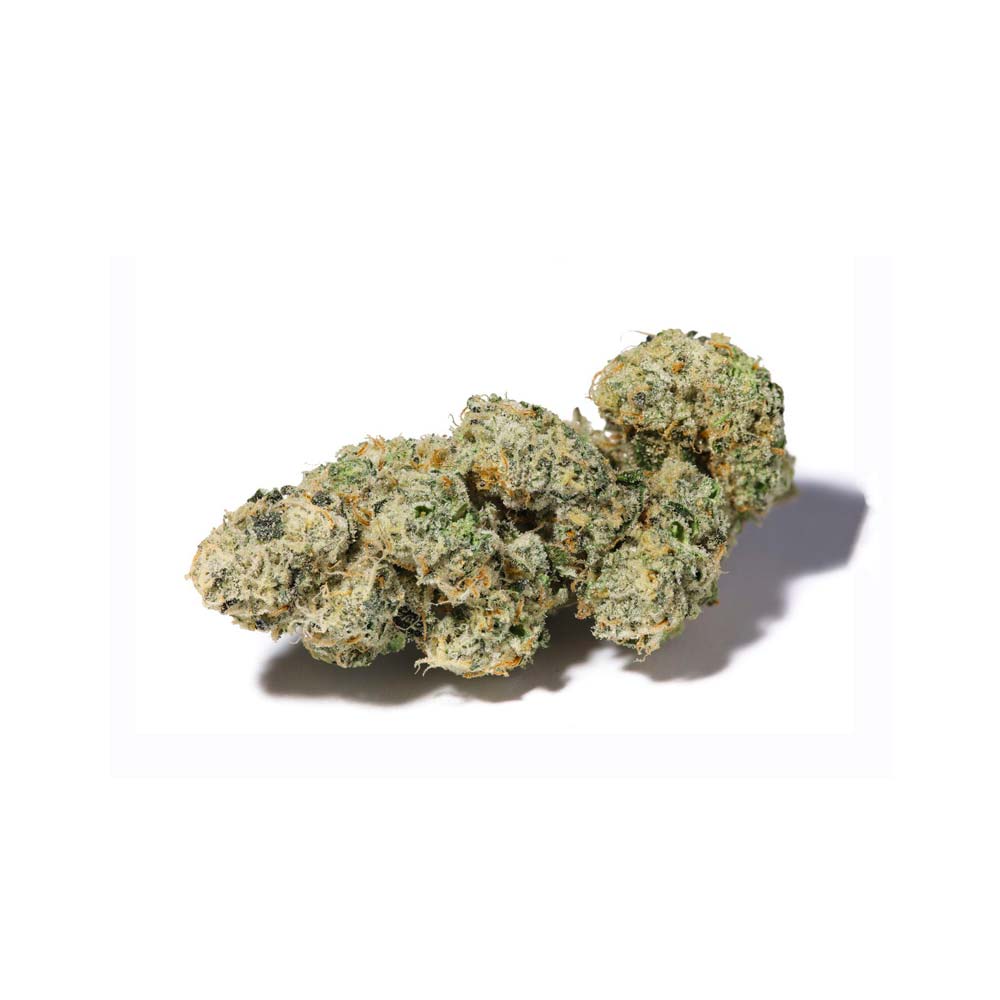
| Flower/dried cannabis | £8-£12 per gram | Variable |
Total monthly costs for medical cannabis treatment typically range from £60 to £400, depending on product type and dosage requirements.
Medical Cannabis vs HRT
Hormone replacement therapy remains the most effective treatment for menopause symptoms, particularly hot flushes and vaginal dryness. HRT is well-researched, relatively affordable on the NHS, and typically costs £20-£50 monthly. However, some women cannot tolerate HRT due to side effects including breast tenderness, nausea, or increased clotting risk.
Medical cannabis offers an alternative for women who:
- Have contraindications to HRT (history of oestrogen-sensitive cancers)
- Experience intolerable side effects from HRT
- Prefer non-hormonal approaches
- Have failed to respond to conventional treatments
Cannabis should not replace HRT as first-line treatment but may complement it or serve as an alternative when HRT is unsuitable.
Practical Considerations
Starting Treatment: Medical cannabis typically begins with low doses, gradually increasing until therapeutic benefits appear. Most patients report noticeable effects within 1-2 weeks.
Administration Methods: Oils are most common, taken sublingually for rapid absorption. Vaporisation offers faster onset, whilst capsules provide consistent dosing.
Driving and Work: Products containing THC may impair driving ability. Patients should avoid operating machinery until effects are fully understood. CBD alone doesn’t typically affect driving capacity.
Drug Interactions: Cannabis can interact with certain medications, particularly those metabolised through the cytochrome P450 system. Consultation with healthcare providers is essential.
The Future of Medical Cannabis for Menopause
Clinical trials specifically examining medical cannabis for menopause symptoms are limited but growing. The UK Medical Research Council is funding research into cannabinoid therapies for various conditions. As evidence accumulates, menopause may eventually become a recognised indication for NHS-prescribed medical cannabis.
Conclusion
Medical cannabis represents a potential option for menopausal women seeking alternatives to HRT or conventional treatments. Whilst anecdotal evidence and preliminary research suggest benefits for sleep, anxiety, and hot flushes, rigorous clinical evidence remains limited. Currently, access through private healthcare is more feasible than NHS prescription, with costs ranging from £60-£400 monthly.
Any woman considering medical cannabis for menopause should consult specialist healthcare providers to discuss suitability, potential interactions, and realistic expectations. Medical cannabis works best as part of a comprehensive management strategy including lifestyle modifications, and should never entirely replace professional medical advice.
Further Reading
- Medical Cannabis for Long Covid UK: Symptoms and Treatment Options
- CBD for Osteoporosis UK: Bone Health Evidence
- Eucalyptol (1,8-Cineole) in Cannabis: Respiratory UK
- Medical Cannabis for Bipolar Disorder UK: Risks and Potential