
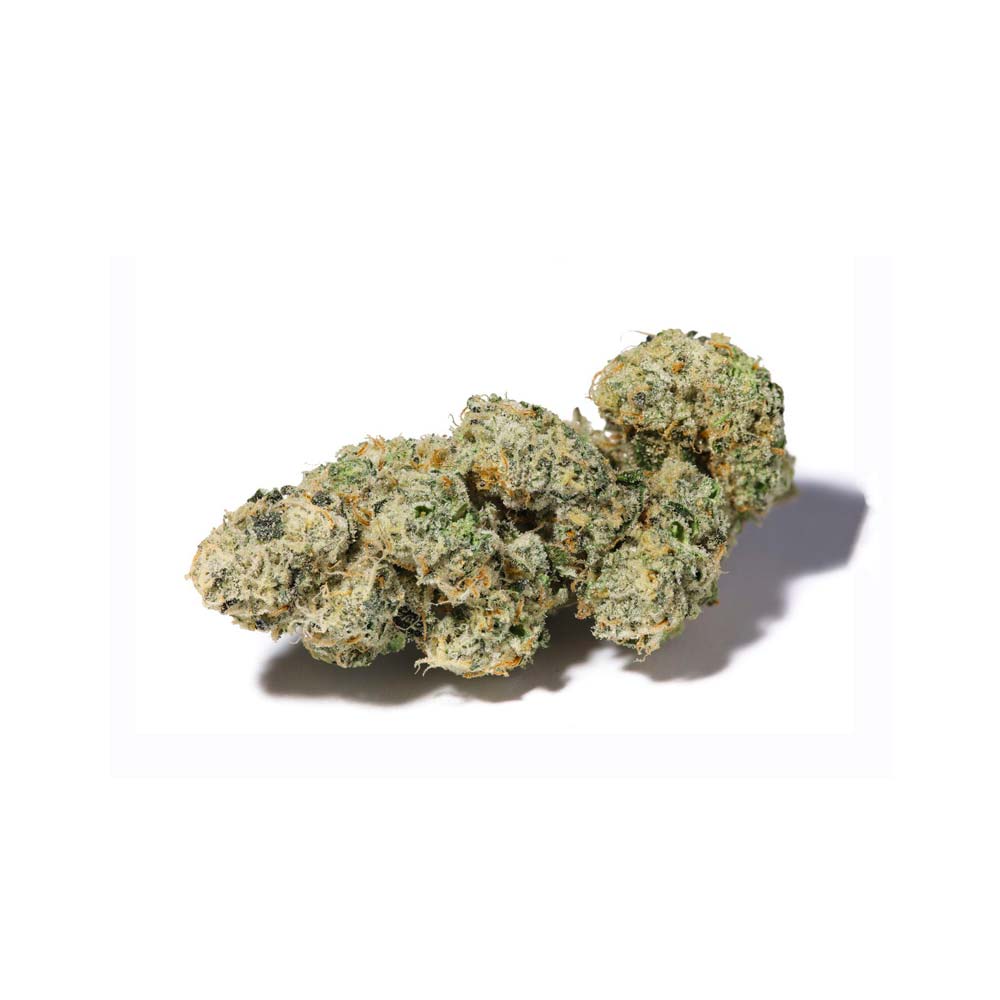
Medical Cannabis for Women’s Health Conditions in the UK
Medical cannabis has emerged as a potential therapeutic option for several women’s health conditions, particularly those characterised by chronic pain and hormonal fluctuations. Whilst evidence remains limited in many areas, growing research and patient advocacy are highlighting the potential benefits of cannabis-based treatments for conditions that have long been dismissed or undertreated within the NHS.
Endometriosis and Cannabis Pain Management
Endometriosis affects approximately 10% of women of reproductive age in the UK, causing debilitating pelvic pain that significantly impacts quality of life. Traditional treatments, including hormonal contraceptives and nonsteroidal anti-inflammatory drugs (NSAIDs), prove ineffective for many patients. Research suggests that the endocannabinoid system plays a crucial role in reproductive function and pain signalling. Cannabis contains cannabinoids that may reduce inflammation and neuropathic pain associated with endometriosis. Anecdotal evidence from patients indicates that medical cannabis can provide substantial pain relief when conventional medications fail, though large-scale clinical trials remain limited.
Polycystic Ovary Syndrome and Cannabis: Limited but Promising Evidence
Polycystic ovary syndrome (PCOS) affects up to 20% of women globally, causing irregular periods, fertility issues, and metabolic complications. Evidence for cannabis use in PCOS remains preliminary, but emerging research suggests cannabinoids may help regulate insulin resistance and reduce inflammation—both central to PCOS pathology. Additionally, the anxiety and depression commonly associated with PCOS may benefit from cannabis-derived treatments. However, women considering cannabis for PCOS should be aware that evidence is still developing, and consultation with healthcare professionals is essential before use.
Severe PMS and PMDD: Addressing Cyclical Symptoms
Premenstrual syndrome (PMS) and premenstrual dysphoric disorder (PMDD) cause severe physical and psychological symptoms that disrupt daily functioning for millions of UK women. Current treatments—selective serotonin reuptake inhibitors (SSRIs) and hormonal contraceptives—do not work for everyone. Preliminary research indicates that cannabis may alleviate both physical symptoms, including bloating and pain, and mood-related symptoms such as depression and anxiety. The endocannabinoid system’s involvement in mood regulation and pain perception makes cannabis a theoretically sound option, though robust clinical evidence specifically addressing PMDD remains lacking.
Menopause Symptoms and CBD
Menopause presents unique challenges, including hot flushes, night sweats, mood disturbances, and cognitive difficulties. Hormone replacement therapy (HRT) is not suitable for all women, and many seek alternatives. CBD (cannabidiol), the non-psychoactive component of cannabis, has shown promise in managing menopausal anxiety and sleep disturbances. Some women report that CBD reduces the frequency and severity of hot flushes, though evidence remains anecdotal. CBD products are legally available in the UK without prescription, making them accessible for women exploring natural symptom management alongside conventional treatments.
Why Women’s Health Conditions Remain Underdiagnosed and Undertreated
Women’s health conditions, particularly those involving pain and hormonal dysfunction, face significant diagnostic and treatment barriers. Women’s symptoms are frequently dismissed as psychological rather than physiological, resulting in delayed diagnoses and years of suffering. Endometriosis takes an average of seven years to diagnose. Research funding disproportionately favours male-dominated health areas, leaving women’s conditions understudied. Medical education historically underemphasises women-specific pathology. Additionally, pharmaceutical companies prioritise conditions with larger profit margins, leaving many women’s health issues without adequate treatment options.
Advocacy and Access to Cannabis Treatment
Patient advocacy groups are increasingly vocal about cannabis access for women’s health conditions. Organisations campaigning for medical cannabis reform emphasise that women deserve access to treatments that improve their wellbeing when conventional medicine fails. This advocacy has contributed to cannabis rescheduling in the UK, allowing specialist doctors to prescribe cannabis-based medicinal products since 2018.
Obtaining a UK Prescription for Gynaecological Pain
Obtaining medical cannabis for gynaecological pain in the UK requires specialist referral. Patients must first exhaust conventional treatments, and their condition must meet specific criteria. Specialist centres now assess cannabis suitability for chronic pain conditions, including endometriosis. Patients should consult their GP, requesting referral to a specialist pain clinic or gynaecology service experienced with medical cannabis. Private consultations offer faster access but at significant cost. Evidence documentation and symptom records strengthen applications.
Further Reading
- Medical Cannabis Edinburgh: Scotland Capital Guide
- UK Medical Cannabis Clinic Waiting Times – How Long?
- Critical Kush Strain UK: Heavy Indica Medical Cannabis Guide
- MHRA and Medical Cannabis UK: How Regulation Works