
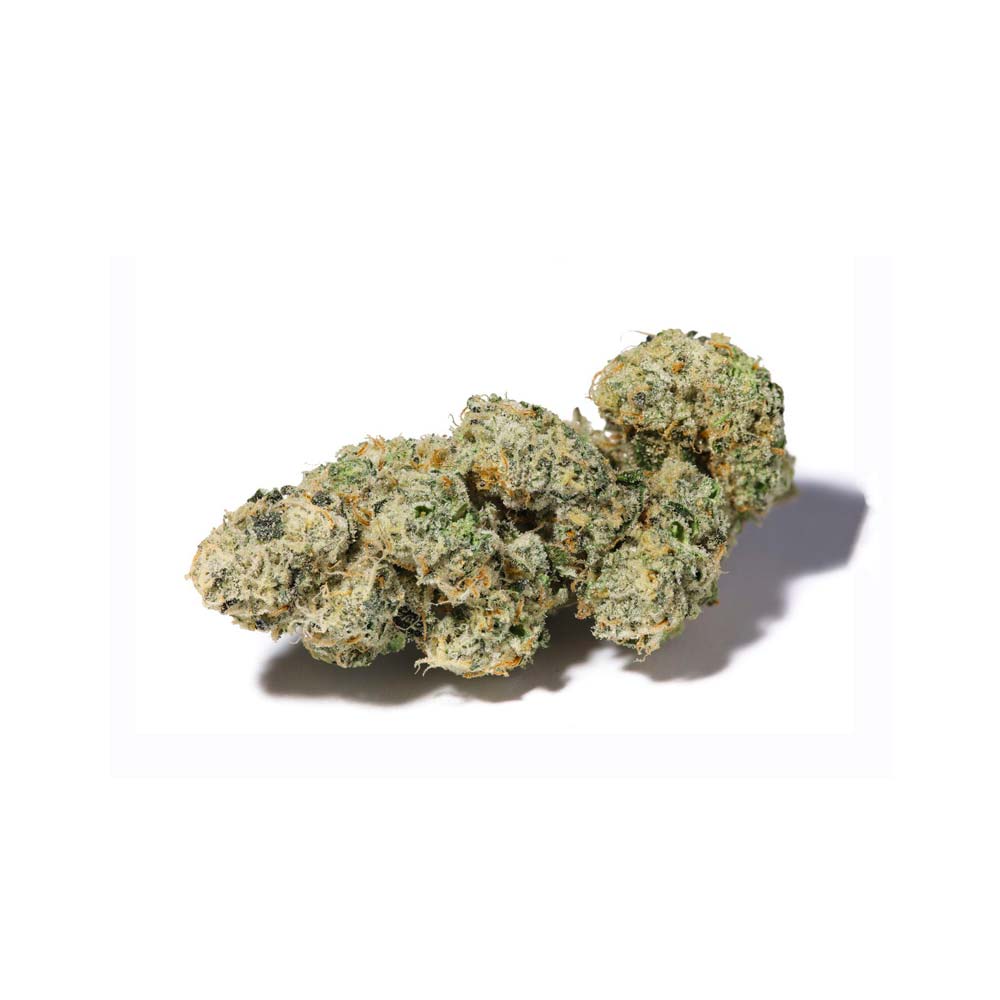
MHRA Regulation of Medical Cannabis in the UK
The regulation of medical cannabis in the United Kingdom is primarily the responsibility of the Medicines and Healthcare products Regulatory Agency (MHRA), which operates under strict frameworks to ensure patient safety, efficacy, and quality. Understanding how the MHRA regulates medical cannabis is essential for patients, healthcare providers, and those seeking treatment options for qualifying conditions.
The MHRA’s Role and Responsibilities
The MHRA is the UK’s independent medicines regulator, tasked with assessing the safety, quality, and effectiveness of all medicines, including cannabis-based products. As the competent authority for Great Britain, the MHRA determines which cannabis medicines can be prescribed and under what conditions. Their primary objective is to protect public health while enabling access to beneficial treatments supported by robust evidence.
The regulatory framework governing medical cannabis was significantly reformed in November 2018, when cannabis-based medicinal products were reclassified from Schedule 1 (with no medical use) to Schedule 2 (with recognised medical value). This change allowed qualified doctors to prescribe cannabis medicines to patients where clinically appropriate, subject to MHRA approval and guidance.
Licensed and Approved Medicines
Currently, only one cannabis-based medicinal product holds full UK marketing authorisation: Sativex (nabiximols), which is approved for treating spasticity associated with multiple sclerosis. This oral spray contains standardised quantities of THC and CBD and has completed rigorous clinical trials demonstrating safety and efficacy according to MHRA standards.
The approval process for licensed medicines involves comprehensive assessment of preclinical and clinical data, manufacturing standards, and ongoing safety monitoring. Licensed products offer patients the assurance of known doses, consistent quality, and established safety profiles. The MHRA continuously monitors these medicines through pharmacovigilance systems, requiring manufacturers to report adverse effects and maintain quality standards.
Unlicensed Cannabis Medicines
Beyond Sativex, patients may access unlicensed cannabis-based products through a specialised route. The MHRA permits doctors to prescribe unlicensed cannabis medicines under strict conditions through the Unlicensed Medicines framework. This allows access to products that haven’t completed full licensing procedures but show therapeutic potential for conditions where conventional treatments have proven inadequate.
Unlicensed products operate under enhanced regulatory oversight. Prescribing doctors must adhere to MHRA guidelines, ensuring products meet quality standards and appropriate manufacturing specifications. Patients receiving unlicensed medicines must consent to treatment with these products and understand they lack the same level of clinical trial evidence as licensed alternatives. However, this pathway has proven crucial for patients with severe epilepsy, chronic pain, and other conditions where evidence of benefit exists but formal licensing hasn’t been completed.
The Licensing and Approval Process
For a cannabis medicine to obtain full MHRA marketing authorisation, manufacturers must submit comprehensive applications including preclinical safety data, clinical trial results, analytical methods, and quality assurance documentation. The MHRA’s Committee on the Safety of Medicines reviews these applications, assessing whether benefits outweigh risks for the proposed indication.
This process typically requires extensive clinical evidence, often involving multiple trial phases and years of data collection. The stringent requirements ensure that only medicines meeting high safety and efficacy standards receive approval, though this can mean beneficial treatments remain unavailable through licensed pathways while evidence continues accumulating.
Future Changes and Developments
The landscape of medical cannabis regulation continues evolving. The MHRA actively encourages manufacturers to pursue licensing for cannabis-based medicines where evidence supports their use. Several products are currently progressing through the approval process, potentially expanding the range of licensed options available to patients.
The UK government has committed to supporting research into cannabis medicines, recognising the therapeutic potential for specific conditions. As more clinical evidence emerges and manufacturing standards improve, additional products may receive approval. The MHRA remains focused on balancing patient access with rigorous safety standards, ensuring the regulatory framework supports innovation while protecting public health.
Future developments may also include enhanced guidance for best UK cannabis clinics, refined criteria for product access, and expanded indications for existing approved medicines as evidence accumulates. The MHRA maintains regular dialogue with patient groups, healthcare professionals, and industry stakeholders to ensure regulations remain appropriate and evidence-based.