
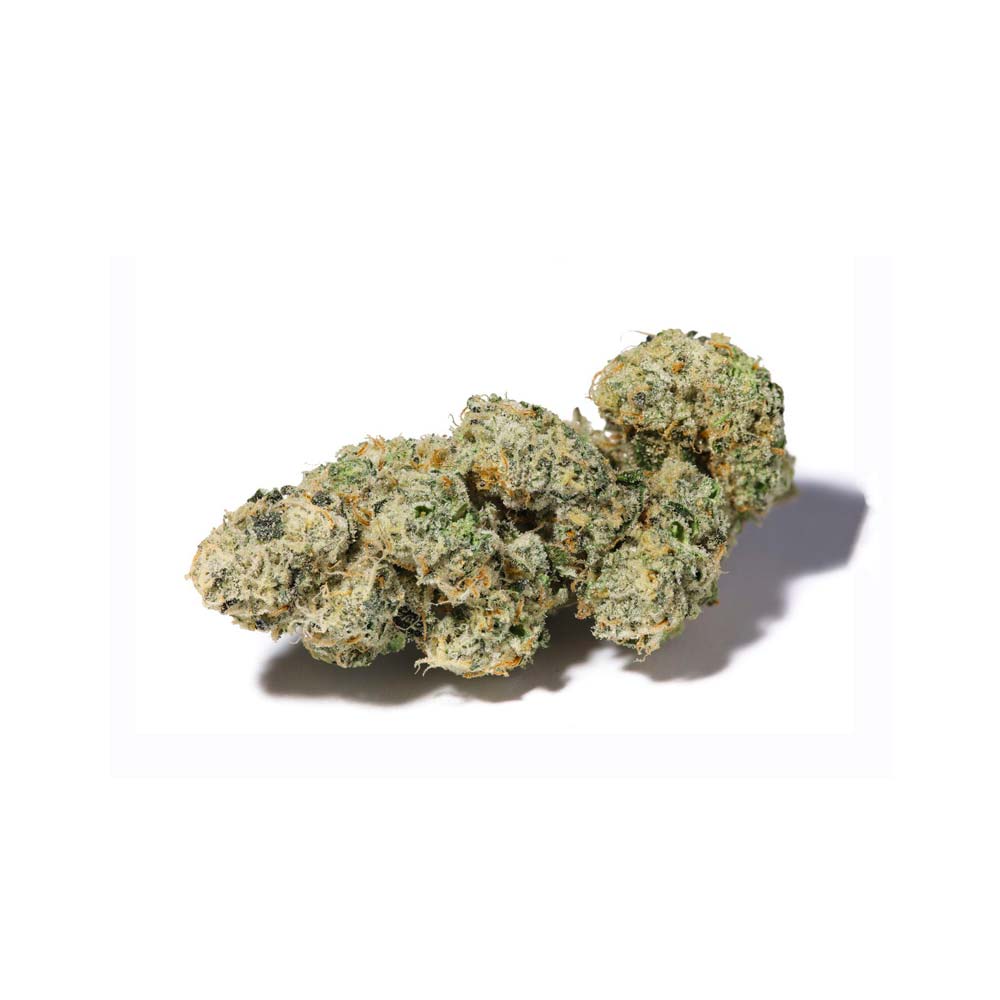
Cannabis and Mental Health UK — Risks, Benefits, Medical Use
The relationship between cannabis and mental health in the UK remains a subject of significant scientific, medical, and public debate. With shifting attitudes towards cannabis and its increasing availability through medical channels, understanding the evidence surrounding its effects on mental health is crucial for informed decision-making. This comprehensive guide explores the risks, potential benefits, and legitimate medical applications of cannabis in the UK.
The Current Legal Status of Cannabis in the UK
Cannabis remains a controlled substance under the Misuse of Drugs Act 1971, classified as a Schedule I drug with no recognised medical use under UK law. However, this position has evolved slightly. In 2018, the government reclassified cannabis-based medicinal products to Schedule II, allowing authorised specialists to prescribe cannabis-derived medicines for specific medical conditions.
Possession of cannabis for recreational use remains illegal, with penalties ranging from warnings to imprisonment depending on circumstances and quantity. However, medical cannabis prescriptions are now available through the NHS and private clinics for qualifying patients with conditions including chronic pain, epilepsy, and multiple sclerosis.
Cannabis Composition and Mental Health Effects
Cannabis contains over 100 cannabinoids, with two primary compounds affecting mental health: tetrahydrocannabinol (THC) and cannabidiol (CBD). Understanding the distinction between these compounds is essential when discussing cannabis and mental health outcomes.
THC is the psychoactive component responsible for the “high” associated with recreational cannabis use. It activates dopamine pathways in the brain, producing euphoria but also potentially triggering anxiety, paranoia, and psychotic symptoms in susceptible individuals. CBD, conversely, does not produce intoxication and appears to have anxiolytic and neuroprotective properties.
The ratio of THC to CBD significantly influences mental health effects. Modern recreational cannabis often contains higher THC concentrations than historical samples—some contemporary products exceed 20% THC compared to an average of 3-4% in the 1990s.
Cannabis Use and Mental Health Risks
Substantial evidence indicates cannabis use, particularly THC-dominant products, carries genuine risks for mental health. A 2021 study published in the Lancet Psychiatry found that regular cannabis use, especially during adolescence, correlates with increased risk of psychotic disorders.
Key mental health risks associated with cannabis include:
- Psychosis and schizophrenia: Regular users, particularly those with genetic predisposition, face elevated risk. Individuals with family history of psychotic illness should exercise extreme caution.
- Anxiety disorders: Although some report anxiety relief, others experience increased anxiety, panic attacks, and generalised anxiety disorder from THC consumption.
- Depression: Regular cannabis use correlates with increased depressive symptoms, though causality remains debated by researchers.
- Cannabis Hyperemesis Syndrome: A serious condition causing severe nausea and vomiting in regular users, often accompanied by psychological distress.
- Dependency: Approximately 30% of regular users develop cannabis use disorder, with psychological withdrawal symptoms including irritability, sleep disturbance, and mood changes.
- Adolescent brain development: Use during teenage years, when the brain continues developing, may impair cognitive function and mental health trajectory.
Potential Benefits for Specific Mental Health Conditions
Despite the recognised risks, emerging research suggests potential therapeutic applications for cannabis-based medicines in specific mental health contexts. Medical-grade cannabis contains controlled ratios of cannabinoids, differing significantly from recreational products.
CBD, particularly, demonstrates promise for anxiety disorders. A 2019 study found that 300mg CBD daily reduced anxiety in individuals with social anxiety disorder. Research published in the Journal of Clinical Psychology indicates CBD may help with panic disorder and post-traumatic stress disorder symptoms.
For treatment-resistant epilepsy, cannabis-derived products have proven effective. Epidiolex, a CBD-based medicine, received approval for certain severe epilepsy forms, demonstrating cannabinoid therapeutic potential. Some patients report concurrent improvements in anxiety and mood when epilepsy control improves.
Limited evidence suggests cannabis may assist with sleep disturbance in specific populations, though dependency risk requires careful monitoring. Chronic pain patients receiving medical cannabis report improved quality of life and reduced psychological distress secondary to pain relief.
NHS Cannabis Prescription Requirements
Accessing medical cannabis through the NHS requires meeting strict criteria. The patient must have a medical condition where other treatments have proven ineffective or unsuitable. Specialist clinicians, not GPs, make prescribing decisions. Conditions currently recognised include:
- Epilepsy (specifically, drug-resistant epilepsy)
- Multiple sclerosis-related spasticity
- Chronic neuropathic pain
- Chemotherapy-induced nausea and vomiting
Mental health conditions alone are not currently approved indications for NHS cannabis prescription, though research continues examining therapeutic potential.
Practical Advice for UK Residents
For individuals concerned about cannabis and mental health, several evidence-based recommendations emerge:
If you’re experiencing mental health difficulties: Consult qualified healthcare professionals before considering cannabis. Mental health conditions require proper assessment and evidence-based treatment. If currently using cannabis and experiencing psychological symptoms, discuss this openly with healthcare providers.
For young people: Avoiding cannabis use until the brain fully develops (approximately age 25) represents the safest approach. Adolescent use carries disproportionately higher risks for lasting mental health consequences.
If you have family history of psychotic illness: Cannabis use poses elevated risks. Genetic predisposition to conditions like schizophrenia significantly increases vulnerability to cannabis-induced psychosis.
For current users concerned about mental health: Consider reducing consumption, particularly THC-dominant products. Switching to CBD-only products or cessation may improve psychological symptoms. Withdrawal support is available through NHS services.
Regarding medical cannabis: If interested in prescribed cannabis for legitimate medical conditions, request specialist referral through your GP. Private clinics also offer consultations, though costs typically range from £150-£300 initially.
The Role of Research and Future Developments
The UK leads cannabis research globally, with several universities conducting rigorous clinical trials examining cannabinoid therapeutic potential. The ongoing Medicinal Cannabis Research Consortium continues investigating cannabis applications for various conditions.
Future developments may clarify optimal cannabinoid ratios for specific mental health conditions, identify genetic markers predicting adverse reactions, and establish clearer clinical guidelines for prescribing.
Conclusion
Cannabis’s relationship with mental health in the UK presents a complex picture requiring nuanced understanding. While recreational use, particularly of THC-dominant products, carries documented mental health risks—especially for vulnerable individuals—emerging evidence suggests potential therapeutic applications for specific conditions when administered as medical-grade, clinician-supervised treatments.
Making informed decisions about cannabis and mental health requires consulting qualified healthcare professionals, understanding individual risk factors, and recognising that current evidence does not support cannabis as a primary treatment for mental health disorders outside specialised medical contexts.
Further Reading
- CBD for Anxiety UK – Does It Work?
- Cannabis for Anxiety UK: Evidence and How to Get Treatment
- Lavender Strain UK: Indica Effects for Anxiety and Sleep
- Cannabis for Anxiety vs CBD UK — Which is Better?