
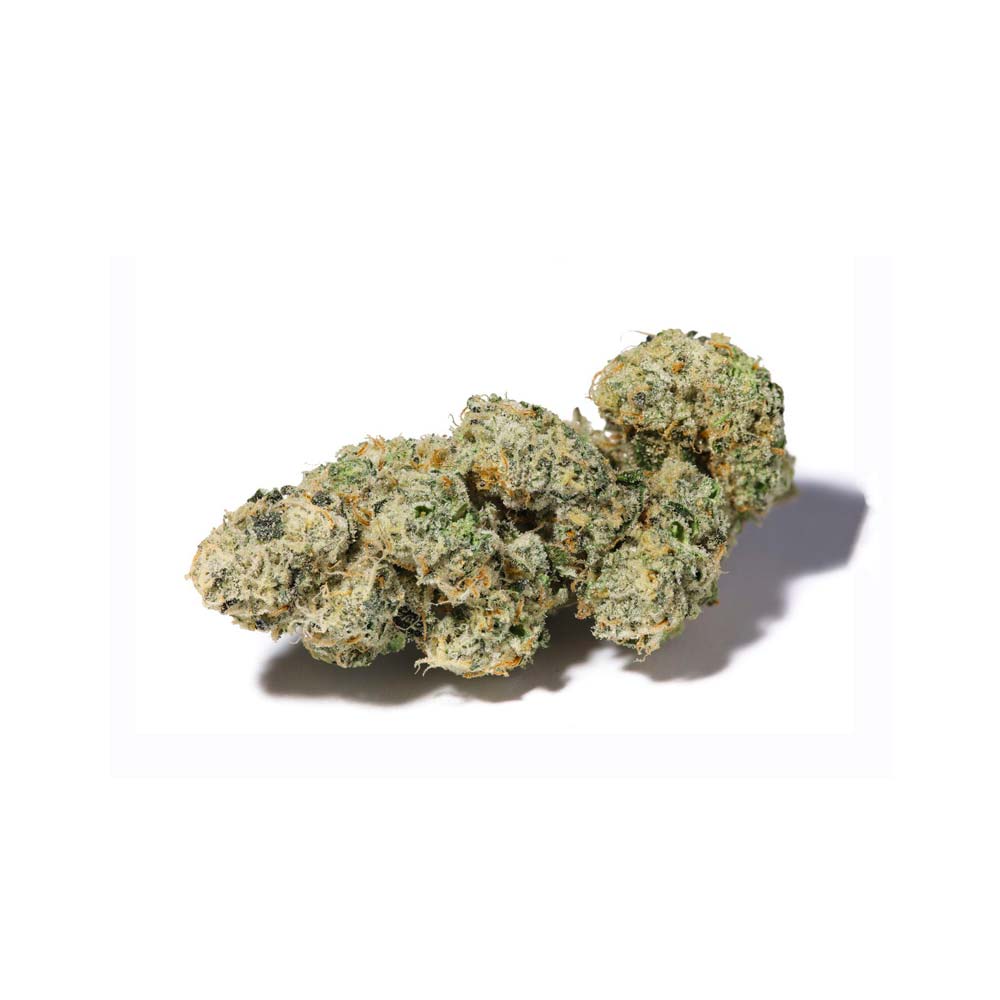
Cannabis for Sleep UK: Medical Use for Insomnia and Sleep Disorders
Sleep disorders affect millions of people across the United Kingdom, with insomnia being one of the most prevalent conditions. Whilst traditional pharmaceutical interventions have long been the standard approach, medical cannabis has emerged as a potential alternative for those struggling with sleep. This comprehensive guide explores cannabis for sleep UK, examining the evidence, available strains, and the process for obtaining medical cannabis prescriptions in Britain.
Understanding Medical Cannabis in the UK
Since November 2018, medical cannabis has been legal in the United Kingdom, albeit under strict conditions. The legislation permits doctors to prescribe cannabis-based products for medicinal purposes where other treatments have failed or are unsuitable. However, access remains limited, and prescriptions are typically reserved for patients with specific medical conditions.
For sleep disorders, cannabis is not currently a first-line treatment according to NHS guidelines. Nevertheless, some specialists and private practitioners increasingly recognise the potential benefits of medical cannabis for patients with treatment-resistant insomnia or sleep disturbances associated with other qualifying conditions such as chronic pain, PTSD, or multiple sclerosis.
How Cannabis Affects Sleep: The Science Behind It
The human endocannabinoid system plays a crucial role in regulating the sleep-wake cycle. Cannabis contains over 100 active compounds called cannabinoids, with THC (tetrahydrocannabinol) and CBD (cannabidiol) being the most extensively researched.
When consumed, these cannabinoids interact with receptors throughout the body, potentially influencing sleep architecture, pain perception, and anxiety levels. Initial research suggests that cannabis may reduce the time taken to fall asleep, increase total sleep duration, and improve sleep quality in certain individuals.
Indica Strains for Sleep: A Closer Look
Within cannabis cultivation, two primary categories exist: Indica and Sativa strains, with Hybrid varieties combining characteristics of both. Indica strains have traditionally been associated with sedative, relaxing effects, making them theoretically more suitable for sleep purposes than their Sativa counterparts.
Indica varieties typically contain higher levels of myrcene, a terpene believed to possess sedative properties. Popular Indica-dominant strains for sleep include Northern Lights, Granddaddy Purple, and Afghan Kush. These strains are characterised by their fuller, heavier body effects and reduced cerebral stimulation compared to Sativas.
However, it is important to note that strain classification remains somewhat imprecise from a scientific standpoint. The traditional Indica-Sativa distinction is based on plant morphology rather than chemical composition, and cannabinoid and terpene profiles vary considerably even within the same strain depending on growing conditions and harvest timing.
Medical cannabis prescribed in the UK typically comes in standardised, tested formulations rather than recreational-style “strains.” Products are usually oils, sprays, or dried flower with precisely measured cannabinoid ratios, ensuring consistency and safety.
CBD vs THC for Sleep: Understanding the Differences
The debate between CBD (cannabidiol) and THC (tetrahydrocannabinol) for sleep purposes is nuanced and increasingly supported by research.
THC for Sleep: THC is the psychoactive compound responsible for the “high” associated with cannabis use. Research suggests THC can reduce sleep onset latency (the time taken to fall asleep) and may increase deep sleep stages. However, regular THC use can develop tolerance, and some individuals report disrupted sleep architecture with prolonged use. Additionally, THC remains a controlled substance in the UK, making it less accessible than CBD.
CBD for Sleep: CBD is non-psychoactive and has gained significant attention for sleep support. Studies indicate CBD may reduce anxiety, which is a primary factor in insomnia. By calming the mind and reducing racing thoughts, CBD may indirectly improve sleep quality. CBD is increasingly available in the UK and carries fewer legal restrictions than THC, though it remains unregulated outside of prescribed medical products.
For many patients, a balanced ratio of both cannabinoids appears beneficial. Some research suggests that a combination approach may offer superior results to either compound alone, with CBD potentially enhancing THC’s benefits whilst mitigating potential side effects.
How to how to get a medical cannabis prescription for Sleep in the UK
Obtaining a medical cannabis prescription for sleep in the UK remains challenging. The process involves several steps:
NHS Route: Currently, the NHS rarely prescribes cannabis for sleep alone. Patients must typically have exhausted conventional treatments for a qualifying condition. Conditions like chronic pain, PTSD, or epilepsy are more readily considered. Your GP may refer you to a specialist, though many remain cautious about cannabis prescriptions.
Private best UK cannabis clinics: Numerous private clinics across the UK now offer medical cannabis consultations and prescriptions. These include services such as Dispensary Green, TMCC (The Medical best UK cannabis clinics), and others. Private consultations typically cost between £150 and ??300, with follow-up appointments costing less.
To access private prescriptions, patients typically undergo a consultation with a doctor experienced in cannabis medicine. They will review your medical history, existing treatments, and reasons for considering cannabis. If deemed appropriate, a prescription is issued, which you can take to a licensed pharmacy.
Key Requirements: Regardless of route, best UK cannabis clinics will consider whether conventional treatments have been tried, documented reasons for their inadequacy, and confirmation that you have no contraindications to cannabis use.
Costs of Medical Cannabis in the UK
Cost represents a significant barrier to accessing medical cannabis for sleep in the UK. Expenses include both consultation fees and medication costs.
Private Consultations: Initial consultations with private best UK cannabis clinics typically range from £150 to £300. Follow-up appointments are usually £100 to £150.
Medication Costs: Medical cannabis products are expensive. A month’s supply of medicinal cannabis oil or spray typically costs between £150 and £400, depending on the product strength and dosage required. Some products, particularly those with higher CBD content, may fall at the lower end of this spectrum, whilst those containing THC tend to be more expensive.
Currently, the NHS does not fund medical cannabis for sleep disorders, meaning patients must pay privately. This represents a substantial ongoing investment.
The Evidence Base for Cannabis and Sleep
Whilst anecdotal reports of cannabis improving sleep are widespread, the scientific evidence remains limited. Most research involves small sample sizes, and robust clinical trials are lacking.
A 2019 study published in Medicines found that cannabis improved sleep outcomes in patients with chronic pain. Research in Frontiers in Neurology indicated CBD showed promise for sleep in certain populations. However, larger, well-designed randomised controlled trials are needed to establish efficacy definitively.
Long-term effects remain poorly understood. Some research suggests that regular THC use may eventually disrupt sleep architecture, whilst others indicate benefits persist with continued use. Individual responses vary considerably, and what works for one person may be ineffective or counterproductive for another.
Potential Side Effects and Considerations
Medical cannabis is not without risks. Potential side effects include dizziness, dry mouth, altered appetite, and cognitive effects with THC-containing products. For sleep specifically, some users report “next-day grogginess” or daytime sedation.
Drug interactions are possible, particularly with medications metabolised by the liver. Individuals with a personal or family history of psychotic disorders should exercise caution with THC-dominant products.
Conclusion
Cannabis for sleep UK remains a developing area within medical practice. Whilst preliminary evidence and patient testimonials suggest potential benefits, particularly for anxiety-related insomnia or sleep disturbances associated with chronic conditions, the evidence base remains limited. Indica-dominant strains and balanced CBD-THC ratios are most commonly associated with sleep benefits, though standardised medical products differ from traditional cannabis strains.
Obtaining a prescription requires navigating private healthcare pathways for most patients, with significant financial investment required both for consultations and ongoing medication costs. Before considering medical cannabis for sleep, patients should explore established treatments and discuss this option thoroughly with healthcare providers experienced in cannabis medicine.
As research continues and regulations potentially evolve, cannabis for sleep UK may become increasingly accessible, particularly if NHS funding becomes available for appropriate candidates with treatment-resistant insomnia.
Clinical Evidence and NICE Guidance
Evidence Level: Limited
NICE Guideline NG144 (Cannabis-based medicinal products, November 2019) does not list insomnia or primary sleep disorders as approved indications for CBMPs. Cannabis may be prescribed for sleep disturbance that is secondary to a qualifying condition such as chronic pain, PTSD, or multiple sclerosis, but not as a standalone treatment for insomnia.
A 2017 Cochrane systematic review found insufficient randomised controlled trial evidence to support cannabinoids for sleep disorders. A 2021 review in Sleep Medicine Reviews concluded that whilst short-term THC use reduces sleep onset latency, it suppresses REM sleep and is associated with rebound insomnia upon cessation. CBD evidence for sleep remains largely preclinical. Real-world data from Project Twenty21 showed 50% of patients with sleep disorders reported improvement, but the absence of a control arm limits interpretation. Overall, the evidence base for cannabis as a primary sleep aid is weak by NHS standards.
Contraindications
- Personal or family history of psychosis or schizophrenia — absolute contraindication; THC may precipitate psychotic episodes
- Pregnancy and breastfeeding — cannabinoids cross the placenta and are excreted in breast milk; contraindicated
- Under 18 years — not licensed for paediatric use; developing brain at elevated risk
- Under 25 years — heightened psychiatric risk; only prescribe with clear clinical justification and specialist oversight
- Sleep apnoea — cannabis may worsen upper airway obstruction and respiratory depression during sleep; avoid in moderate-to-severe OSA
- Significant cardiovascular disease — THC causes tachycardia; contraindicated in unstable angina or recent MI
- Current substance use disorder or alcohol dependence — relative contraindication; specialist psychiatric review required
- Primary insomnia without comorbidity — cannabis is not indicated as monotherapy for primary insomnia; behavioural interventions (CBT-I) remain first-line per NICE CG49
Drug Interactions
- Benzodiazepines and Z-drugs (zopiclone, zolpidem) — significant additive CNS and respiratory depression; combination is potentially dangerous; avoid concurrent use; if switching to cannabis, taper benzodiazepines gradually under supervision
- Opioids — additive sedation and respiratory depression; monitor closely if combining; do not initiate both simultaneously
- Melatonin and antihistamines — additive sedation; generally lower risk but counsel patients on morning drowsiness and driving
- Antidepressants (SSRIs, TCAs) — CBD inhibits CYP2D6; may increase plasma levels; monitor for adverse effects
- Warfarin — CBD inhibits CYP2C9; monitor INR carefully
- Antiepileptics — CYP450 interactions; relevant if sleep disorder is comorbid with epilepsy
Dosing Guidance
When cannabis is prescribed for sleep disturbance secondary to a qualifying condition:
- Timing: Take 1–2 hours before intended sleep onset (oils/capsules) or 30 minutes before (vaporised)
- THC initiation: 1–2.5 mg THC, increasing by 1–2.5 mg every 5–7 days
- Typical range: 5–15 mg THC in the evening; doses above 20 mg rarely improve sleep further and increase next-day impairment
- CBD: 10–25 mg CBD may be added to moderate THC effects and promote relaxation
- Avoid prolonged nightly use at high doses — tolerance develops rapidly; “drug holidays” (one to two nights per week without cannabis) help maintain efficacy
- Do not combine with other sedatives without specialist review
CBT for Insomnia (CBT-I) should be offered concurrently as the evidence-based behavioural intervention; cannabis should not replace it.
Side Effects
- REM sleep suppression — THC reduces REM sleep with nightly use; this impairs memory consolidation and is associated with vivid dreams or nightmares upon cessation
- Rebound insomnia — common after stopping regular THC use; patients must be warned and have a tapering plan
- Next-day sedation — residual impairment affects driving ability and work performance; driving must be avoided the morning after THC use
- Cognitive effects — short-term memory impairment, reduced concentration, psychomotor slowing
- Dependence — sleep-related cannabis use disorder is well documented; patients using cannabis daily for sleep have higher rates of dependence
- Respiratory effects — vaporised cannabis can irritate airways; use oils or capsules for patients with asthma or respiratory conditions
When Medical Cannabis Is NOT Appropriate for Sleep
- Primary insomnia where CBT-I has not been attempted (NICE CG49 first-line)
- Sleep apnoea (moderate or severe)
- No qualifying comorbid condition (cannabis is not licensed for primary insomnia in the UK)
- Pregnancy or breastfeeding
- Active psychosis or schizophrenia history
- Current benzodiazepine or alcohol dependence without specialist support
- Under 18 years of age
Note on NHS availability: NHS prescriptions for cannabis specifically for insomnia are not issued. Private clinic prescriptions for sleep as a secondary indication (e.g. sleep disruption due to chronic pain) are available but costly. Patients should be counselled that evidence supporting cannabis as a sleep aid remains limited compared to licensed alternatives.