
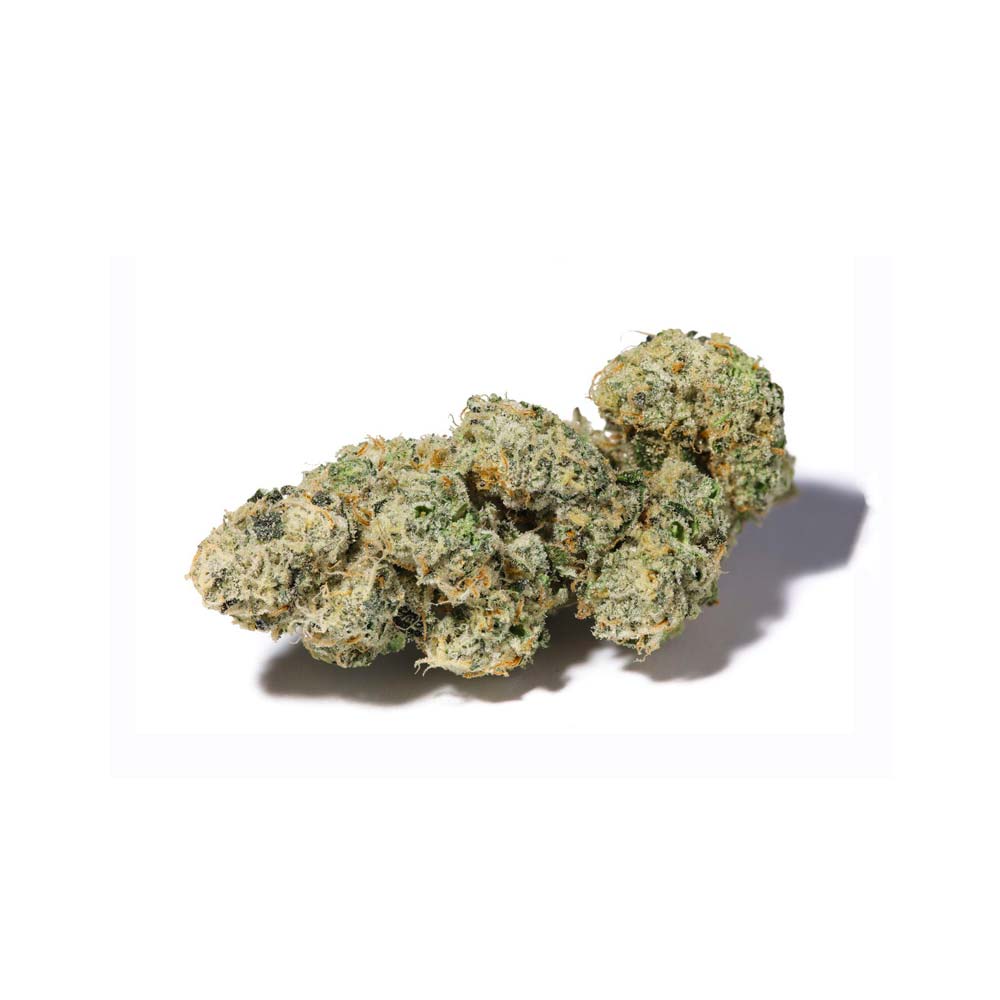
What is HHC (Hexahydrocannabinol)?
Hexahydrocannabinol, commonly known as HHC, is a synthetic cannabinoid derived from cannabis. It is essentially a hydrogenated version of THC (tetrahydrocannabinol), the primary psychoactive compound found in cannabis. During the hydrogenation process, hydrogen atoms are added to THC’s molecular structure, which alters its chemical composition whilst maintaining similar psychoactive properties. This modification was originally developed in laboratory settings for research purposes, but HHC has increasingly appeared in commercial products sold as a legal alternative to cannabis in various jurisdictions. The synthesis process typically begins with hemp-derived CBD or THC, which is then chemically converted through hydrogenation to produce HHC.
Legal Status of HHC in the United Kingdom
HHC has been classified as a controlled substance in the United Kingdom since amendments to the Misuse of Drugs Act were implemented in 2026. The UK government’s approach to synthetic cannabinoids has become increasingly stringent, with HHC now falling under Schedule I of the Misuse of Drugs Regulations. This classification means HHC is illegal to produce, distribute, supply, or possess in the UK. The legal action was taken in response to growing concerns about the availability of synthetic cannabinoids marketed as legal alternatives to traditional cannabis. Any products containing HHC are now considered illegal substances, and their sale is prohibited across all retail channels, including online platforms and high street shops.
Effects of HHC Compared to THC
Users report that HHC produces effects remarkably similar to THC, including altered perception, euphoria, relaxation, and changes in sensory perception. However, the intensity of these effects can vary depending on the dosage and individual sensitivity. Some anecdotal reports suggest that HHC may be slightly less potent than THC, though this varies between individuals. The onset time for HHC effects is typically similar to THC when smoked or vaporised, though it may differ when consumed as an edible. Like THC, HHC may impair cognitive function, coordination, and decision-making abilities. The duration of effects generally lasts between two to four hours when smoked, though this can extend significantly with edible forms. Individual responses to HHC vary considerably, with some users reporting intense psychoactive effects whilst others experience milder symptoms.
Why HHC Products Cannot Be Legally Sold in the UK
HHC products are illegal to sell in the United Kingdom because HHC itself is classified as a controlled substance under UK drug legislation. The government determined that HHC poses sufficient public health and safety risks to warrant its inclusion in the Misuse of Drugs Act. The marketing and sale of HHC as a “legal alternative” to cannabis was viewed as a circumvention of drug laws designed to protect public health. Retailers attempting to sell HHC products face serious legal consequences, including substantial fines and potential imprisonment. This legal prohibition reflects the UK’s broader regulatory approach to synthetic cannabinoids, which have been deemed problematic due to their unpredictable potency and unknown long-term health effects. The government prioritises protecting consumers from unregulated and potentially dangerous substances.
Risks Associated with Unregulated HHC Products
The unregulated nature of HHC products presents significant health and safety concerns. Products sold before the legal ban often contained inconsistent concentrations of HHC, making dosing unpredictable and potentially dangerous. Manufacturing standards for illegal HHC products are non-existent, meaning contaminants, residual solvents, or impurities may be present. Some products marketed as HHC may actually contain different synthetic cannabinoids or other hazardous substances entirely. Without laboratory testing or quality assurance, consumers cannot verify the actual contents of what they are purchasing. The neurological effects of unregulated synthetic cannabinoids can be severe, including anxiety, paranoia, psychosis, and in some cases, serious psychiatric episodes. Emergency departments have treated individuals experiencing severe adverse reactions to synthetic cannabinoids, demonstrating the genuine public health risk these substances pose.
Natural Versus Synthetic Cannabinoids Under UK Law
UK drug law distinguishes between naturally occurring cannabinoids found in the cannabis plant and synthetic cannabinoids created in laboratories. Whilst cannabis remains a controlled substance, the legal framework recognises that synthetic cannabinoids often pose greater risks than their natural counterparts. Synthetic cannabinoids like HHC can be engineered to have vastly different potencies and effects compared to natural THC, and their molecular variations make them difficult to regulate consistently. The UK government has taken the position that synthetic alternatives warrant the same legal restrictions as prohibited substances because they cannot be reliably controlled for safety and dosage. Natural cannabinoids, though still controlled in the UK, are at least derived from identifiable plant sources with established chemical profiles.
Consumer Safety Concerns
Consumer safety remains a paramount concern regarding HHC and similar synthetic cannabinoids. The lack of regulation means consumers cannot access reliable information about product composition, potency, or safety. Young people are particularly vulnerable to these products, which are sometimes marketed deceptively as legal alternatives. The neurological impacts of synthetic cannabinoids can be more severe than natural cannabis, with increased risks of mental health complications. Individuals seeking to use cannabinoids are advised to consult healthcare professionals and avoid unregulated products entirely. The UK’s legal classification of HHC reflects a commitment to protecting public health by restricting access to substances that have not undergone rigorous safety testing and regulatory approval.