
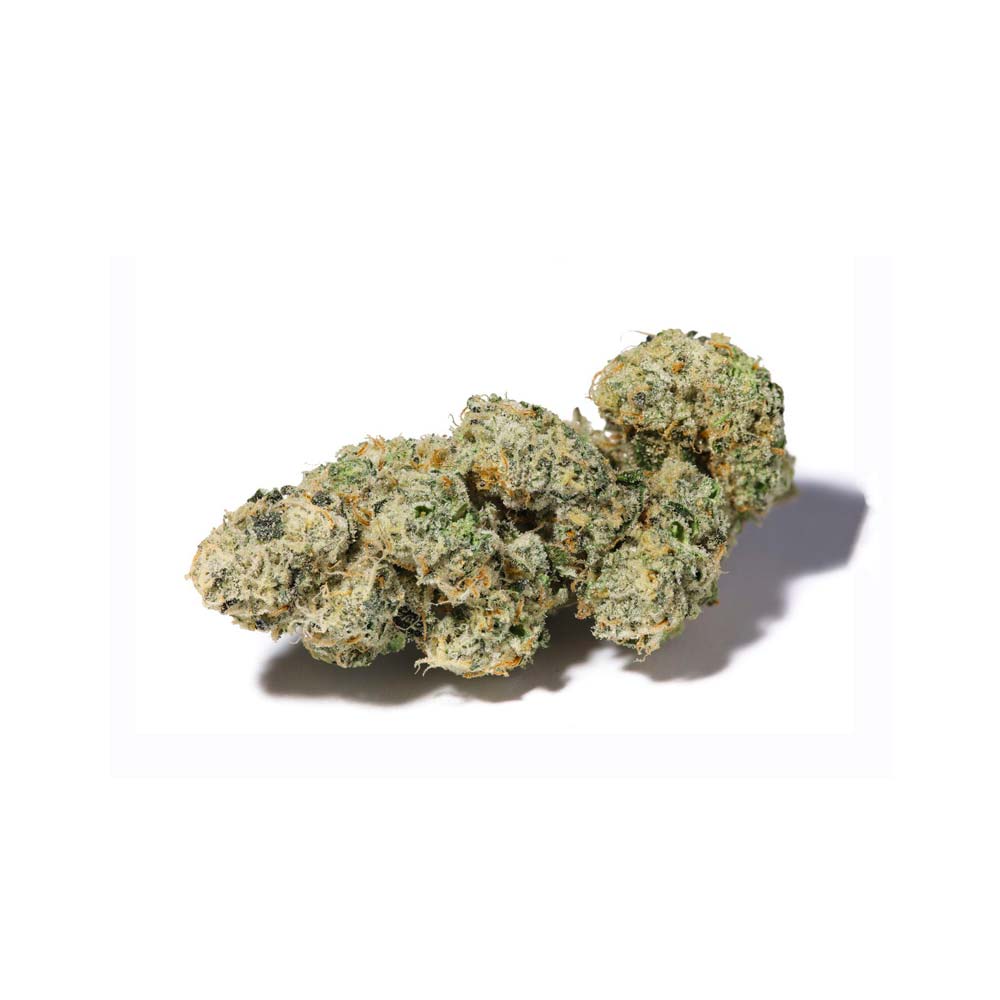
What is Delta-8 THC?
Delta-8 THC (tetrahydrocannabinol) is a naturally occurring cannabinoid found in cannabis and hemp plants. It is one of over 100 different cannabinoids produced by the plant, though it typically exists in very small concentrations. In commercial products, Delta-8 is usually synthesized from CBD (cannabidiol) derived from legal hemp through a chemical conversion process. This synthetic version has become the basis for most Delta-8 products available on the market globally, including those that have been sold in the UK until recently.
The Chemical Difference from Delta-9
Delta-8 and Delta-9 THC are isomers, meaning they contain the same chemical formula but have different structural arrangements. The distinction lies in the position of a double bond within their molecular structure. Delta-9 has a double bond on the ninth carbon chain, while Delta-8 has it on the eighth carbon chain. This seemingly small difference produces notable variations in how the compounds interact with the body’s endocannabinoid system.
Delta-9 THC is the primary psychoactive compound in cannabis and is the form most people refer to simply as “THC.” Delta-8 is considered a minor cannabinoid in natural cannabis but produces similar, though generally weaker, effects. The structural difference affects how each compound binds to CB1 and CB2 receptors in the brain and body, influencing the intensity and character of effects experienced.
Psychoactive Properties
Delta-8 THC is decidedly psychoactive, despite marketing claims suggesting otherwise. Users report experiencing intoxication, euphoria, altered perception, and impaired cognition—similar to Delta-9 effects but typically described as milder or less intense. The psychoactive effects include changes in mood, perception of time, sensory perception, and motor coordination.
Common reported effects include relaxation, mild euphoria, enhanced sensory perception, and altered thought patterns. Some users describe Delta-8 as producing a “lighter” high compared to Delta-9, while others report similar intensity. Individual responses vary significantly based on tolerance, metabolism, dosage, and consumption method. The psychoactive nature of Delta-8 means it can impair driving ability and cognitive function, making it unsafe for operation of machinery or vehicles.
The notion that Delta-8 is “non-intoxicating” or merely produces mild wellness benefits is misleading marketing. Independent laboratory testing and user reports consistently demonstrate measurable psychoactive effects at typical consumption levels.
Legal Status in the United Kingdom
In the United Kingdom, Delta-8 THC is illegal. It falls under the Misuse of Drugs Act 1971 as a controlled substance. Specifically, any form of Delta-8—whether naturally derived or synthetically produced from CBD—is classified as a Schedule I drug, the same category as Delta-9 THC and cannabis itself.
This classification means Delta-8 cannot be legally manufactured, distributed, sold, or possessed in the UK without explicit government authorization for research or medical purposes. Possession can result in criminal charges, and commercial distribution carries penalties including fines and imprisonment. Despite some Delta-8 products being marketed and sold online in the UK, these sales operate in a legal gray area and constitute illegal activity.
The legal approach differs markedly from some other countries. While the United States has seen a proliferation of Delta-8 products in states where cannabis remains federally illegal, the UK’s regulatory framework does not recognize such distinctions between different THC isomers.
Why Delta-8 is Banned Unlike in the US
The United Kingdom’s blanket prohibition of Delta-8 contrasts sharply with its legal status in many US states. This difference stems from several factors related to regulatory philosophy and drug policy frameworks.
The UK’s Misuse of Drugs Act uses a broad approach that classifies cannabinoids based on their chemical structure and psychoactive properties rather than source or derivation method. Any molecule with THC’s basic structure—including Delta-8—falls under prohibition. The legislation does not differentiate between natural and synthetic cannabinoids or between different isomers.
In contrast, the United States operates under the 2018 Farm Bill, which federally legalized hemp and hemp-derived products containing less than 0.3% Delta-9 THC. This created a legal loophole: since Delta-8 is technically not Delta-9, and can be derived from legal hemp CBD, it exists in a regulatory gray zone. Many US states have exploited this ambiguity, allowing Delta-8 sales despite not explicitly legalizing it.
The UK has not followed this approach. British regulators consider Delta-8 a THC variant and treat it accordingly under existing drug legislation. This reflects a more conservative stance on novel cannabinoid products and a reluctance to permit substances with psychoactive properties that circumvent cannabis prohibition through chemical technicalities.
Harm Reduction Considerations
From a harm reduction perspective, several concerns surround Delta-8 THC products in any jurisdiction where they are available:
Quality and Safety: Delta-8 products sold online typically lack regulatory oversight. Laboratory testing is inconsistent, with some products containing harmful contaminants, incorrect cannabinoid concentrations, or undisclosed ingredients. Synthesis processes may leave residual solvents or byproducts.
Potency Uncertainty: Without standardization, users cannot reliably predict dosage or effects, increasing risk of overconsumption and adverse reactions.
Driving Impairment: Delta-8’s psychoactive effects impair driving ability. Users may underestimate impairment due to perceived mildness, increasing accident risk.
Mental Health Risks: Like Delta-9, Delta-8 may trigger or exacerbate anxiety, paranoia, and psychotic symptoms in vulnerable individuals.
Addiction Potential: Delta-8 produces psychoactive effects capable of supporting dependence, though research on addiction potential specifically is limited.
For UK residents, the legal prohibition removes access to unregulated products entirely, which—despite reducing convenient availability—eliminates the harm associated with contaminated or mislabeled commercial products. Harm reduction messaging should clarify Delta-8’s genuine psychoactive nature and emphasize that it is not a legal alternative to cannabis in the UK.
Further Reading
- Cannabis for Anxiety UK
- Gorilla Glue #4 Strain — Effects, THC 25%+, UK Guide
- Medical Cannabis Birmingham — Clinics, Prescriptions Guide
- Cannabis for PTSD UK — Medical Cannabis Prescription Guide