
A Beginner’s Guide to CBD in the UK
CBD has become increasingly popular across the UK in recent years, but if you’re new to it, the whole world of cannabinoids, tinctures, and endocannabinoid systems might feel rather overwhelming. This guide is designed to walk you through everything you need to know about CBD as a complete beginner, from what it actually is to how to use it safely and effectively.
1. What is CBD and Where Does It Come From?
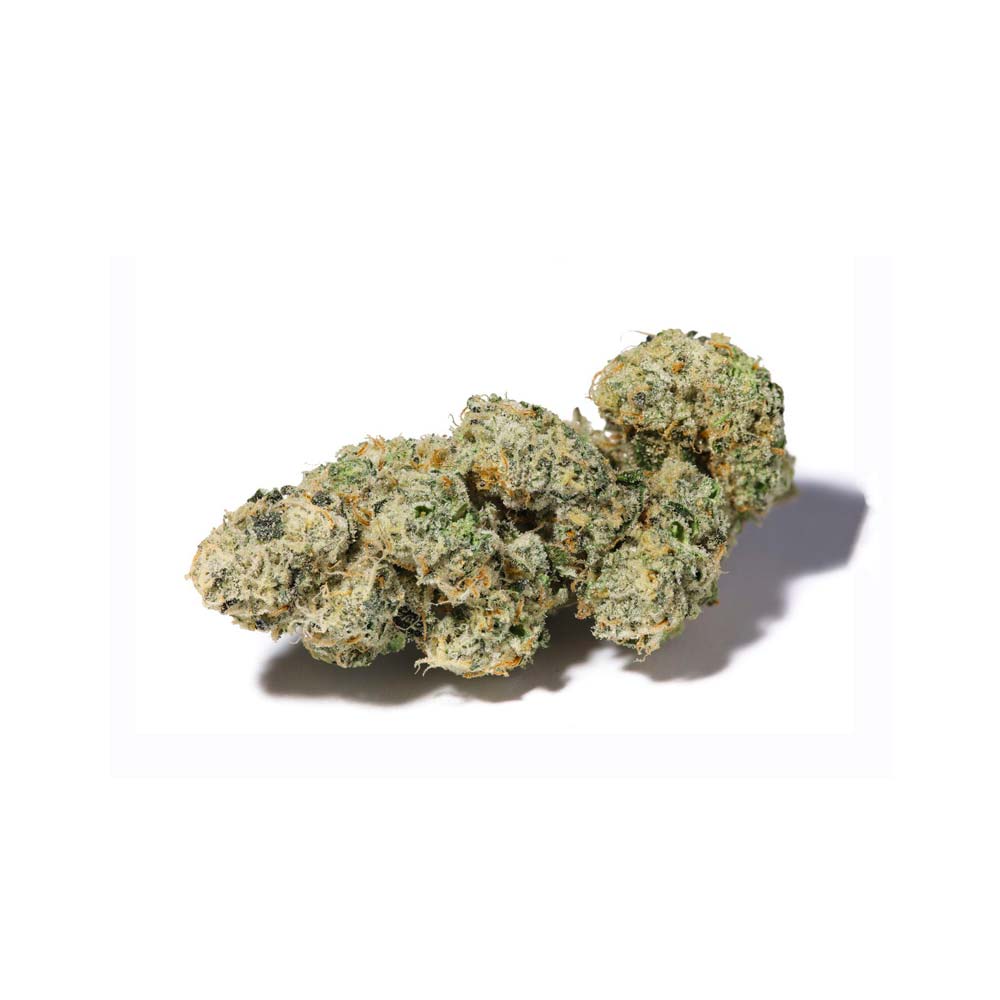
CBD stands for cannabidiol, which is one of over 100 active compounds found in the cannabis plant. Unlike its famous cousin THC (tetrahydrocannabinol), CBD doesn’t make you feel “high” – it’s completely non-intoxicating.
CBD can be extracted from two types of cannabis plants: marijuana and hemp. In the UK, all legal CBD products must come from industrial hemp plants that contain less than 0.2% THC by law. This extremely low THC content means you absolutely cannot get high from taking CBD products bought legally in the UK.
The extraction process involves removing CBD from the plant material using various methods, with CO2 extraction being considered one of the cleanest and most effective. Once extracted, CBD can be processed into different product forms – oils, capsules, gummies, and more – which we’ll explore later in this guide.
2. How CBD Works in the Body: The Endocannabinoid System Explained Simply
To understand how CBD works, you need to know about something called the endocannabinoid system (ECS). Don’t worry – it’s simpler than it sounds.
Your body has a built-in system of receptors and chemical messengers called the endocannabinoid system. This system helps regulate all sorts of important functions: sleep, mood, appetite, pain perception, immunity, and inflammation. Think of it like a control panel for your body’s balance and wellbeing.
Your body naturally produces its own cannabinoids (called endocannabinoids) to keep this system running smoothly. However, sometimes this system can become imbalanced due to stress, illness, poor diet, or lack of sleep. This is where CBD comes in.
When you take CBD, it interacts with your endocannabinoid system by influencing these receptors and chemical messengers. Rather than directly plugging into receptors like THC does, CBD works more subtly – it encourages your body to produce more of its own endocannabinoids and helps them work more efficiently. It’s essentially giving your natural balance system a helpful boost.
3. Is CBD Safe and Legal in the UK?
Legal Status
Yes, CBD is completely legal in the UK – provided it contains less than 0.2% THC. Products meeting this standard are classified as food supplements rather than medicines, which is why you’ll find them readily available in shops and online.
However, it’s important to note that CBD products cannot legally make medical claims (such as “cures anxiety” or “treats insomnia”) unless they’ve been approved as medicines by the UK’s Medicines and Healthcare products Regulatory Agency (MHRA). Many sellers skirt around this by using phrases like “may support” or “traditionally used for,” which is why you’ll see careful wording on product labels.
Safety Considerations
CBD is generally very well-tolerated and considered safe for most people. Side effects are typically mild and rare, potentially including dry mouth, drowsiness, or changes in appetite. More importantly, CBD cannot cause an overdose – you cannot get seriously harmed by taking too much.
However, CBD does interact with certain medications, particularly those broken down by the liver enzyme CYP3A4. If you’re taking prescription medications, it’s wise to discuss CBD use with your GP before starting, just to be safe.
Pregnant and breastfeeding women are typically advised to avoid CBD as research in this area is limited. Similarly, if you have a history of liver disease, you should speak with a healthcare professional first.
4. Different CBD Products Explained: Pros and Cons
CBD Oils and Tinctures
CBD oils are liquid extracts, typically delivered under the tongue using a dropper. They’re the most popular format in the UK and offer excellent control over dosing. CBD oil products come in various strengths, making them ideal for beginners who want to start with small amounts and gradually increase.
Pros: Fast absorption, easy to adjust dosage, good value for money, long shelf life
Cons: Can taste earthy (though flavoured versions exist), requires measuring with a dropper, may take 15-30 minutes to feel effects
Capsules
These are pre-measured doses of CBD in capsule form, similar to taking a vitamin supplement. They’re incredibly convenient and discreet.
Pros: Pre-measured doses (no guessing), very discreet, no taste, easy to incorporate into a routine
Cons: Less flexible dosing, slower absorption as they must pass through the digestive system (45 minutes to 2 hours), more expensive per milligram of CBD
Gummies and Edibles
CBD gummies are chewy sweets infused with CBD. They’re fun, tasty, and feel less like taking a supplement.
Pros: Enjoyable to take, discreet, pre-dosed, long-lasting effects (4-6 hours)
Cons: Expensive per dose, slow absorption, harder to adjust dosage mid-stream, high sugar content in some brands
Topicals (Creams, Balms, Patches)
These are applied directly to the skin and are particularly popular for localized pain or skin conditions.
Pros: Localized relief, no systemic absorption, good for targeting specific areas, messy-free options available
Cons: Cannot address whole-body issues, effectiveness varies greatly, may not absorb well through all skin types
Vapes
CBD vape liquids are inhaled using a vaporizer, offering rapid absorption.
Pros: Very fast onset (within minutes), efficient delivery method, compact
Cons: Short-lasting effects (1-3 hours), questionable lung safety long-term, not ideal for beginners, more expensive
5. How to Start Taking CBD: Starting Low and Going Slow
The golden rule for CBD beginners is “start low and go slow.” This means beginning with a small dose and gradually increasing until you find what works for you.
A typical beginner starting point is 5-10mg of CBD per day. If using CBD oil, start with just a few drops. Track how you feel for 3-5 days before increasing the dose. Most people gradually work up to 10-20mg daily, though some need more and some need less.
The ideal approach is to increase your dose by 5mg every week until you notice the effects you’re looking for. This might mean 5mg on week one, 10mg on week two, 15mg on week three, and so on. There’s no rush – patience is key.
Take CBD at the same time each day for consistency. Many people prefer morning (if using CBD for daytime focus) or evening (if using it for sleep). Keep a simple notebook noting your dose and how you feel – this helps you identify patterns and find your optimal dose.
6. What to Realistically Expect in the First 4 Weeks
Week 1: You might not notice anything yet, and that’s perfectly normal. Your body is still getting used to CBD. This is a baseline week – focus on building a consistent routine rather than expecting dramatic changes.
Week 2: Some people report feeling calmer or more relaxed by this point, whilst others notice nothing yet. If you’re using CBD for sleep, you might find you drift off slightly more easily. Don’t expect miracles though.
Week 3: This is often when people start noticing more consistent changes. Perhaps you feel less tense during stressful situations, or you’re sleeping more soundly. The changes tend to be subtle rather than dramatic.
Week 4: By now, you should have a clearer sense of whether CBD is working for you. If you’re not noticing anything by week four, try increasing your dose further or consider a different product format – sometimes the delivery method makes a difference.
Important: CBD is not like paracetamol. It’s not designed for acute, immediate relief. Instead, it works gradually to support your body’s natural balance. Many people report that the benefits become more noticeable over weeks and months rather than days.
7. How to Read a CBD Product Label
Not all CBD products are created equal, and learning to read labels properly is crucial for beginners.
Total CBD Content
This is typically shown in milligrams (mg) and tells you the total amount of CBD in the bottle. A 10ml bottle might contain 500mg, 1000mg, or 1500mg of CBD. Knowing this helps you calculate your per-dose amount.
CBD Per Serving
This is the amount in one serving (usually one dropper for oils, one capsule for capsules). This is what actually matters for dosing. If a bottle contains 1000mg total but you take 2ml as a serving, each serving contains roughly 40mg CBD.
THC Content
Must be less than 0.2% for UK legality. Reputable brands will state this clearly.
Extraction Method
CO2 extraction is considered superior to other methods. Avoid products extracted using solvents like butane.
Third-Party Lab Reports
The best brands provide certificates of analysis from independent labs. These verify the CBD content and confirm that THC levels are within legal limits and that harmful contaminants (pesticides, heavy metals) aren’t present. Always look for this – it’s a sign of transparency and quality.
Full Spectrum vs. Isolate
Full spectrum contains CBD plus other beneficial cannabinoids and terpenes. Isolate contains only pure CBD. Full spectrum is often considered more effective due to the “entourage effect,” but isolate is better if you’re particularly concerned about THC traces.
8. Common Beginner Mistakes to Avoid
Expecting immediate results: CBD isn’t aspirin. Give it time – at least 3-4 weeks of consistent use before deciding it’s not working.
Increasing doses too quickly: Patience pays off. You don’t need to rush to find your dose.
Not keeping track: Write down what you take and how you feel. This data is invaluable for finding what works.
Buying from unreliable sources: Always purchase from established UK retailers with proper lab reports. Cheap products often contain far less CBD than claimed.
Forgetting to tell your GP: If you’re on medications, mention CBD to your doctor. It’s better to be safe.
Trying too many things at once: If you change products, doses, and timing all simultaneously, you won’t know what’s working. Change one variable at a time.
Ignoring lifestyle factors: CBD works best alongside good sleep, stress management, exercise, and a decent diet. Don’t expect CBD alone to fix everything.
9. When CBD Isn’t Enough: Medical Cannabis
For some people, over-the-counter CBD simply isn’t effective enough, particularly for more serious health conditions. If you’ve given CBD a genuine trial (at least 4-6 weeks at adequate doses) and it hasn’t helped, it might be worth exploring other options.
In the UK, medical cannabis is now available on prescription, though access remains limited and strictly regulated. Medical cannabis products contain both CBD and THC in controlled ratios, and they’re prescribed by specialist doctors for specific conditions where conventional treatments haven’t worked.
Conditions that may qualify for medical cannabis include chronic pain, multiple sclerosis, chemotherapy-induced nausea, and treatment-resistant epilepsy. Unlike CBD supplements, medical cannabis prescriptions come with proper medical supervision and monitoring.
If you think medical cannabis might be appropriate for you, speak with your GP or ask for a referral to a specialist clinic. They can assess whether you meet the criteria and guide you through the process.
Final Thoughts
Starting with CBD is a personal journey, and what works brilliantly for one person might not work the same way for another. The key is to approach it methodically, keep records, be patient, and remember that CBD is best viewed as a supportive tool alongside healthy lifestyle choices – not a miracle cure.
Start low, go slow, and give your body time to adjust. Most beginners find their sweet spot within 2-4 weeks. Welcome to the world of CBD – here’s hoping it brings you some welcome relief and relaxation.