
Cooking with Cannabis in the UK: A Comprehensive Legal Guide
Cannabis cooking has become increasingly relevant in the United Kingdom, particularly with the changing legal landscape surrounding CBD products and medical cannabis. Understanding the distinctions between legal and controlled substances, alongside proper preparation techniques, is essential for anyone interested in cannabis-infused cuisine. This guide explores the legal context, preparation methods, and bioavailability considerations for cooking with cannabis in the UK.
Understanding the UK Legal Context
The legal status of cannabis in the UK differs significantly depending on the cannabinoid profile and intended use. Cannabis itself remains a controlled substance under the Misuse of Drugs Act 1971, classified as a Class B drug. However, recent legislative changes have created important exceptions that permit certain cannabis-based products in specific circumstances.
The key distinction lies between cannabis products containing tetrahydrocannabinol (THC) and those containing cannabidiol (CBD). Any cannabis product containing more than trace amounts of THC is subject to strict regulations and is illegal for recreational use throughout the UK. Medical cannabis containing THC may only be prescribed by specialist doctors for specific conditions, including severe epilepsy, chemotherapy-related nausea, and multiple sclerosis spasticity. Possession without a prescription remains illegal, regardless of the medical benefits reported by users.
CBD Cooking: The Legal Alternative
CBD (cannabidiol) presents the most accessible legal option for cooking with cannabis in the UK. CBD products derived from hemp are legal to manufacture, sell, and consume, provided they contain no more than 0.2 per cent THC. This makes CBD an attractive ingredient for culinary experimentation without legal concerns.
When cooking with CBD, the cannabinoid is already bioavailable in most commercial products. CBD oils, isolates, and distillates can be incorporated directly into recipes without the decarboxylation process required for raw cannabis. CBD works well in both savoury and sweet dishes, particularly in dressings, sauces, smoothies, and baked goods. The compound has a subtle, slightly earthy flavour that pairs well with citrus, ginger, and herbal elements.
One significant advantage of CBD cooking is the lack of psychoactive effects. Users can experiment freely without concern about intoxication, making it suitable for daytime consumption. Quality matters considerably; purchase CBD products from reputable suppliers who provide third-party laboratory testing to verify cannabinoid content and purity.
Medical Cannabis Cooking with Prescription
For individuals with a valid specialist prescription for medical cannabis, cooking with cannabis flower or cannabis-based medicines becomes legally permissible. Prescribed medical cannabis products vary in THC and CBD ratios, depending on the patient’s condition and therapeutic requirements.
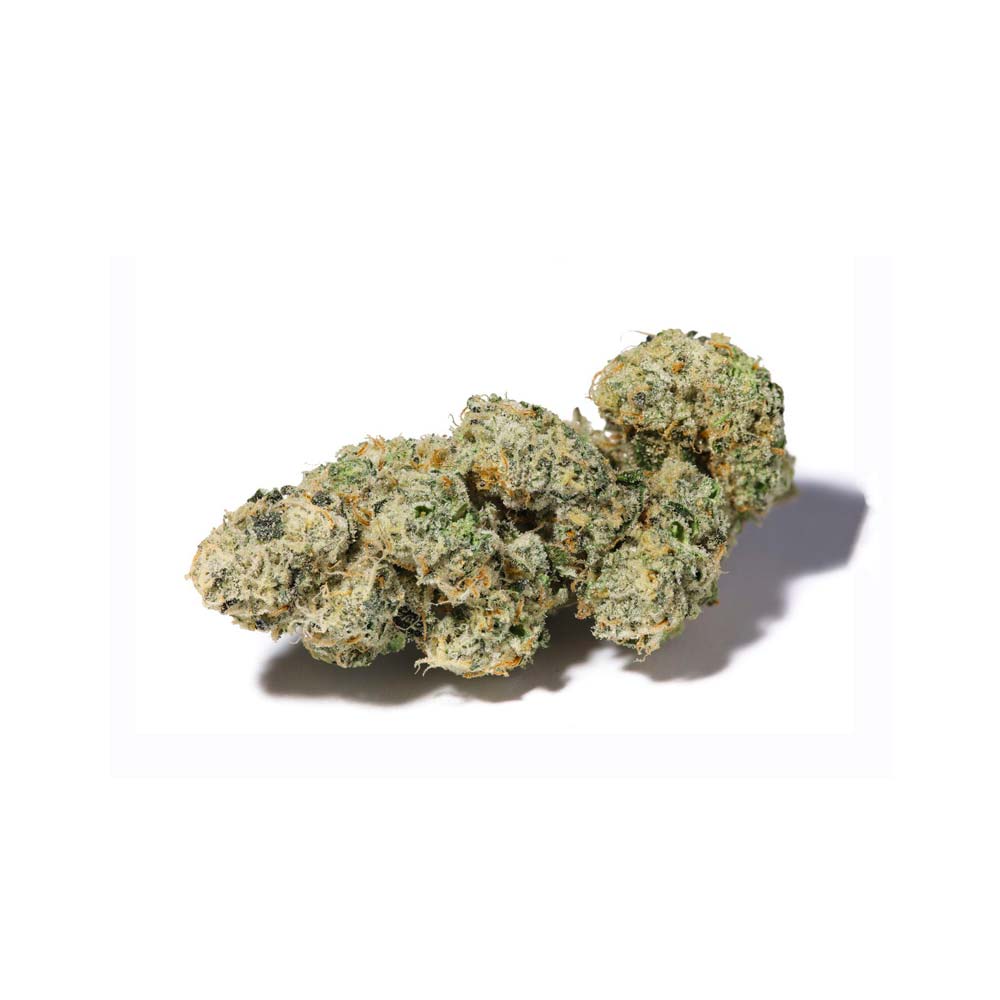
Medical cannabis for cooking typically comes as whole flower, oils, or capsules. Whole flower products require decarboxylation before use in recipes, a crucial step that converts inactive cannabinoid acids into their active forms. Patients should always follow their prescribing specialist’s guidance regarding preparation and dosing, as medical cannabis dosing is individualised and carefully monitored.
The prescription requirement ensures medical supervision and tracking of therapeutic outcomes. Patients must maintain their medication in its original packaging and keep documentation of their prescription accessible. Travelling with prescribed medical cannabis outside the UK is complex and requires specific documentation; most countries do not recognise UK prescriptions for cannabis.
Decarboxylation: Essential Preparation Technique
Decarboxylation is the process of heating cannabis to convert cannabinoid acids into their active forms. Raw cannabis contains CBDA (cannabidiolic acid) and THCA (tetrahydrocannabinolic acid), which are inactive until heated. Decarboxylation makes these cannabinoids therapeutically effective and psychoactive.
To decarboxylate cannabis flower, preheat your oven to 110-120 degrees Celsius. Break the flower into small pieces and spread it on a baking tray lined with baking parchment. Heat for 30-40 minutes, stirring occasionally to ensure even heating. The flower should become slightly darker and more crumbly. Avoid exceeding 120 degrees Celsius, as higher temperatures degrade cannabinoids and terpenes.
Once decarboxylated, cannabis can be infused into fats or oils to create cannabis-infused butter or coconut oil. These infusions distribute cannabinoids evenly throughout recipes and are easier to measure for consistent dosing. The infusion process typically involves gently heating the decarboxylated flower with butter or oil at 80-100 degrees Celsius for 2-3 hours, then straining carefully through fine mesh or cheesecloth.
Bioavailability of Cannabis Edibles
Bioavailability refers to the proportion of an ingested substance that enters the bloodstream and produces an effect. Cannabis edibles have significantly different bioavailability characteristics compared to other consumption methods, influencing both efficacy and onset time.
When cannabis is ingested orally, it must pass through the digestive system and liver metabolism before entering the bloodstream. This process, known as first-pass metabolism, converts THC into 11-hydroxy-THC, a metabolite that crosses the blood-brain barrier more effectively than THC itself. This results in potentially stronger and longer-lasting effects.
However, oral bioavailability is highly variable, ranging from 5 to 20 per cent depending on numerous factors. Individual metabolism, digestive health, food content, and whether cannabis is consumed with fatty foods significantly affect absorption. Taking edibles with food, particularly fat-rich meals, substantially improves bioavailability. The onset of effects typically occurs between 1-2 hours after consumption, with peak effects at 4-6 hours, and total duration extending 8-12 hours.
For those using medical cannabis for symptom management, understanding these variations is crucial. Consistent dosing through precisely calculated infusions and careful portion control helps manage therapeutic effects predictably. Keeping detailed notes about preparation methods, portions, and resulting effects helps users identify their optimal dosing protocol.
Practical Cooking Tips and Safety Considerations
When cooking with cannabis, start low and go slow, particularly if you are new to edibles. Begin with small quantities and gradually increase as you understand your personal response. Label all cannabis-infused products clearly and store them securely, away from children and pets. Remember that edibles are far more potent than raw cannabis and effects are delayed compared to other consumption methods.
Always purchase CBD from licensed, verified sellers, and verify any prescribed medical cannabis is used exactly as directed by your specialist. Cooking with cannabis legally in the UK remains straightforward when you respect the distinctions between CBD, medical cannabis, and controlled substances.
Further Reading
- CBD Regulation UK 2024 – MHRA, FSA, Legal Guide
- Medical Cannabis Manchester — Clinics, Prescriptions, Guide
- Cannabis for Chronic Pain UK — Medical Guide, Prescription
- Cannabis for Sleep and Insomnia UK — Guide, Prescriptions