
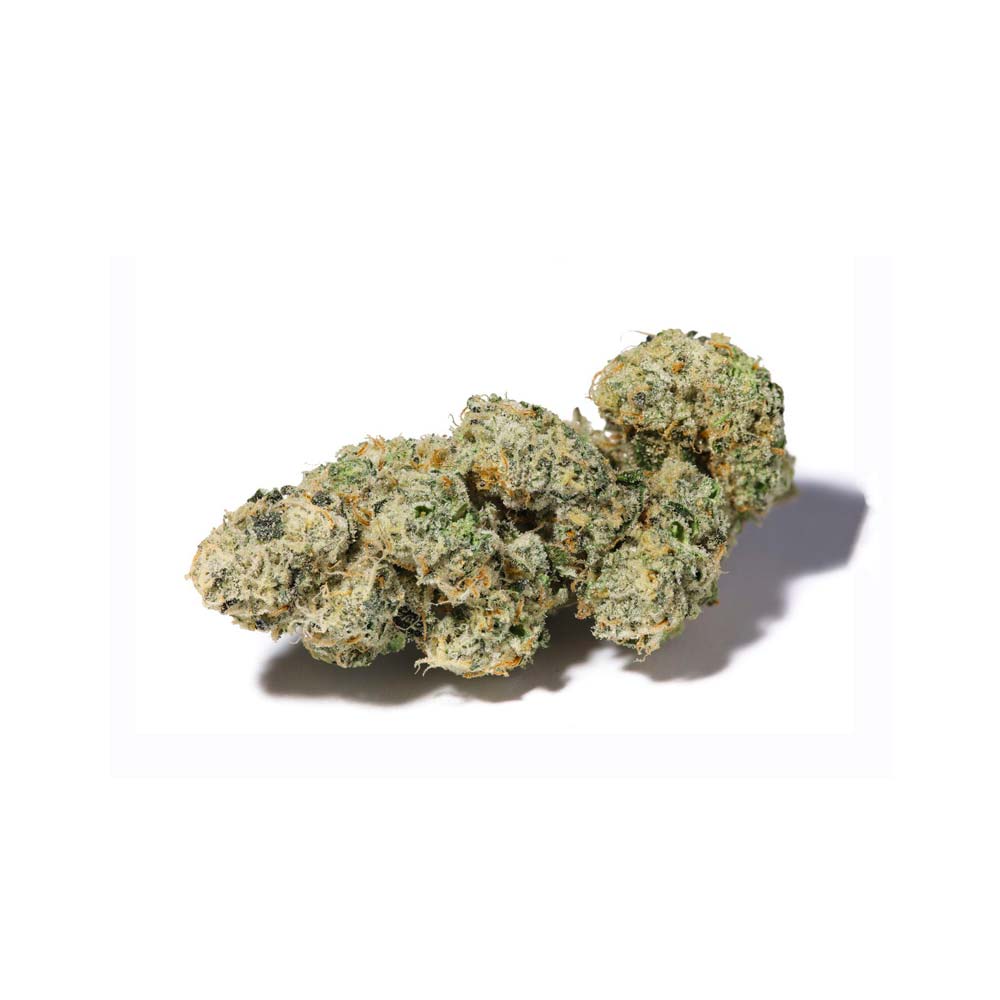
Cannabis for Sleep UK: Evidence, Risks and the Best Approach
Sleep problems affect millions of people across the United Kingdom. According to the Sleep Foundation UK, approximately 36% of British adults experience insomnia or poor sleep quality. As traditional sleep medications carry significant risks and side effects, many people explore alternative solutions, including cannabis. This comprehensive guide examines the evidence surrounding cannabis for sleep in the UK, explores potential risks, and outlines the most responsible approach to this controversial topic.
Understanding Cannabis and Its Components
Cannabis contains over 100 chemical compounds known as cannabinoids. The two most researched are tetrahydrocannabinol (THC) and cannabidiol (CBD). THC is the psychoactive compound responsible for the “high” feeling, whilst CBD is non-intoxicating and increasingly studied for therapeutic potential. The ratio of these compounds significantly influences how cannabis affects sleep, making it essential to understand which component may actually help improve sleep quality.
In the UK, medical cannabis became legal in November 2018 under strict conditions. However, recreational cannabis remains illegal. This legal distinction is crucial when considering cannabis for sleep, as it affects what products are legally available and how they can be accessed.
What Does the Scientific Evidence Show?
Research into cannabis and sleep remains limited but growing. A 2022 study published in the Journal of Clinical Sleep Medicine found that CBD users reported improved sleep quality, with 66% of participants experiencing better sleep within the first month. However, this research is still in early stages, and high-quality clinical trials are limited.
THC appears to reduce the time taken to fall asleep, which initially seems beneficial. However, studies indicate that THC can disrupt sleep architecture, reducing REM (rapid eye movement) sleep—the stage crucial for cognitive processing and memory consolidation. This means users might fall asleep faster but experience lower quality sleep overall. Long-term use may lead to dependence and rebound insomnia when stopping use.
CBD shows more promise for sleep without the same architecture disruption. Research suggests CBD may help with anxiety-related insomnia and promote relaxation without impairing sleep quality. However, most studies involve small sample sizes, and more rigorous research is needed before definitive conclusions can be drawn.
Legal Status of Cannabis for Sleep in the UK
Medical cannabis is legal in the UK but exceptionally restricted. It can only be prescribed by specialist doctors for specific conditions where conventional treatments have failed. Sleep disorders alone are not an approved indication; however, medical cannabis may be prescribed for conditions causing sleep disruption, such as chronic pain or multiple sclerosis.
To obtain medical cannabis in the UK, patients must typically have exhausted standard treatments, obtain specialist referral, and meet strict criteria. The NHS rarely prescribes cannabis, with most access occurring through private clinics at significant cost.
Recreational cannabis remains illegal. Possession carries a maximum penalty of five years imprisonment, though police typically issue warnings for small quantities. This legal landscape means most people considering cannabis for sleep do so outside legal channels or travel to countries where it is permitted.
Potential Risks and Side Effects
Whilst many promote cannabis as a natural sleep aid, significant risks exist. A 2021 study by the University of Montreal found that regular cannabis use, especially in young adults, was associated with increased risk of sleep disturbances, not improvement. Dependence can develop, with approximately 9% of users becoming dependent (rising to 17% among those starting in their teens).
Other documented risks include morning grogginess, impaired cognitive function, anxiety, and paradoxical insomnia. Long-term use may lead to Cannabis Hyperemesis Syndrome in some individuals. Additionally, cannabis can interact with sleep medications and worsen conditions like sleep apnoea.
For pregnant or breastfeeding women, cannabis poses additional risks to fetal and infant development. Young people face heightened vulnerability to dependence and cognitive impacts from regular use.
THC Versus CBD for Sleep
The choice between THC and CBD significantly impacts sleep outcomes. THC may help with sleep onset but potentially worsens sleep quality and can cause dependence. CBD appears safer for long-term use without dependence risk, though less robust evidence exists for its sleep-promoting effects.
Products vary considerably in composition. Illegal street cannabis has unpredictable THC/CBD ratios, making effects unpredictable and potentially dangerous. Legal CBD products sold in UK health shops may contain minimal effective doses and lack quality assurance. Medical cannabis prescriptions offer consistent dosing and composition but require specialist approval and private funding.
Evidence-Based Alternatives to Consider
Before considering cannabis, evidence-based approaches to sleep should be explored. Cognitive Behavioural Therapy for Insomnia (CBT-I) is considered the gold standard treatment, with success rates exceeding 70%. The NHS provides this through sleep clinics and increasingly through online platforms.
Sleep hygiene improvements—maintaining consistent bedtimes, limiting screens before bed, ensuring dark, cool sleeping environments, and reducing caffeine—provide significant benefits for many people. Exercise, meditation, and stress management techniques also demonstrate strong evidence for improving sleep quality.
If pharmacological intervention is necessary, NHS-approved options like melatonin for short-term use or prescription medications under medical supervision provide established safety profiles and doctor oversight.
The Best Approach to Cannabis and Sleep in the UK
If you are considering cannabis for sleep, a cautious, evidence-informed approach is essential. First, exhaust proven alternatives like CBT-I, sleep hygiene improvements, and NHS-approved treatments. If interested in medical cannabis, consult your GP about specialist referral, though referrals for sleep disorders alone are unlikely.
If you choose to use cannabis despite legal risks, prioritise products with known CBD content and minimal THC. Avoid relying on cannabis as a sole treatment, recognising it as a potential short-term adjunct at best. Monitor your sleep quality objectively—cannabis-induced improvements in perceived sleep may not reflect actual improvements in sleep architecture.
Avoid regular use to minimise dependence risk, and be alert to signs of problematic use. If sleep improves, periodically attempt cessation to assess whether improvement persists without cannabis.
Conclusion
Whilst cannabis, particularly CBD, shows theoretical promise for sleep support, current evidence remains limited. For UK residents, navigating the legal, medical, and practical complexities is challenging. Evidence-based alternatives like CBT-I and sleep hygiene optimisation should be the first approach. Medical cannabis remains exceptionally difficult to access and unsuitable for sleep disorders as a standalone indication. Recreational use carries legal risks and uncertain benefits. Individuals interested in cannabis for sleep should prioritise consultation with healthcare professionals, exhaust proven treatments first, and approach cannabis cautiously as a potential short-term support, not a primary solution. As research evolves, clearer guidance may emerge, but currently, traditional sleep medicine approaches remain the most evidence-supported path to better sleep in the UK.
Further Reading
- CBD for Sleep UK – Guide and Best Products
- Best Night Time Cannabis Strains UK – Sleep and Rest
- Cannabis for Sleep and Insomnia UK — Guide, Prescriptions
- What is CBN? UK Guide to the Sleep Cannabinoid