
Cannabis Imports UK — Where Medical Cannabis Comes From
The United Kingdom has experienced a significant shift in its approach to cannabis in recent years, particularly regarding medical applications. Since the legalisation of medical cannabis in November 2018, understanding where cannabis imports come from has become increasingly important for patients, healthcare professionals, and those curious about the UK’s evolving cannabis supply chain. This comprehensive guide explores the sources, regulations, and practical implications of cannabis imports into the UK.
The Regulatory Framework for Cannabis Imports UK
Cannabis imports into the UK are strictly controlled by the Home Office, specifically through the Drugs Licensing Section. The UK differentiates between cannabis for medical purposes and illicit substances, with robust regulatory mechanisms in place to ensure quality and safety.
The Misuse of Drugs Regulations 2001 (as amended) governs the importation of cannabis-based products for medical use. Licensed pharmaceutical companies can import medicinal cannabis products, but they must obtain specific authorisation from the Home Office. The approval process involves demonstrating pharmaceutical-grade quality, purity, and consistent cannabinoid profiles.
According to government statistics, the number of cannabis import licences has remained relatively limited, reflecting the cautious regulatory approach adopted by UK authorities. As of recent data, fewer than twenty pharmaceutical suppliers hold active licenses to import cannabis products into the United Kingdom.
Major Sources of Medical Cannabis Imports
The primary sources of medical cannabis imports into the UK include Canada, the Netherlands, and Israel. Each country offers distinct advantages and supply characteristics.
Canada represents one of the largest suppliers of medical cannabis to the UK market. Canadian producers benefit from well-established regulatory frameworks that closely align with UK pharmaceutical standards. Licensed Producers (LPs) in Canada operate under Health Canada’s oversight, ensuring consistency and quality control. Notable Canadian exporters include Tilray, Aurora Cannabis, and Canopy Growth, all of which hold import licenses for the UK market.
The Netherlands contributes significantly to UK cannabis imports, particularly through established pharmaceutical companies. Dutch producers have decades of experience in cultivating cannabis for medical purposes, with some operations dating back to the 1990s. The Dutch government’s Office of Medicinal Cannabis (OMC) strictly regulates production, maintaining high standards that appeal to UK healthcare providers.
Israel has emerged as an increasingly important source for cannabis imports to the UK. Israeli companies have invested heavily in cannabis research and cultivation technology, producing premium products often used in clinical trials and specialist treatments. Companies like Canopy Growth subsidiary Storehouse 420 and other Israeli producers have secured UK import agreements.
Understanding Cannabis Product Types Imported
Cannabis imports into the UK primarily consist of three main product categories: full-plant extracts, isolated cannabinoids, and pharmaceutical-grade flower for medical use.
Full-plant cannabis extracts contain multiple cannabinoids and terpenes, typically used for conditions such as chronic pain, epilepsy, and multiple sclerosis-related spasticity. These products are imported as concentrated oils or resins requiring careful temperature and light control during transit.
Isolated cannabinoid products, particularly CBD (cannabidiol) and THC (tetrahydrocannabinol), are imported as pharmaceutical-grade compounds. These undergo additional processing to achieve pharmaceutical standards, with cannabinoid content verified to within 0.1% accuracy.
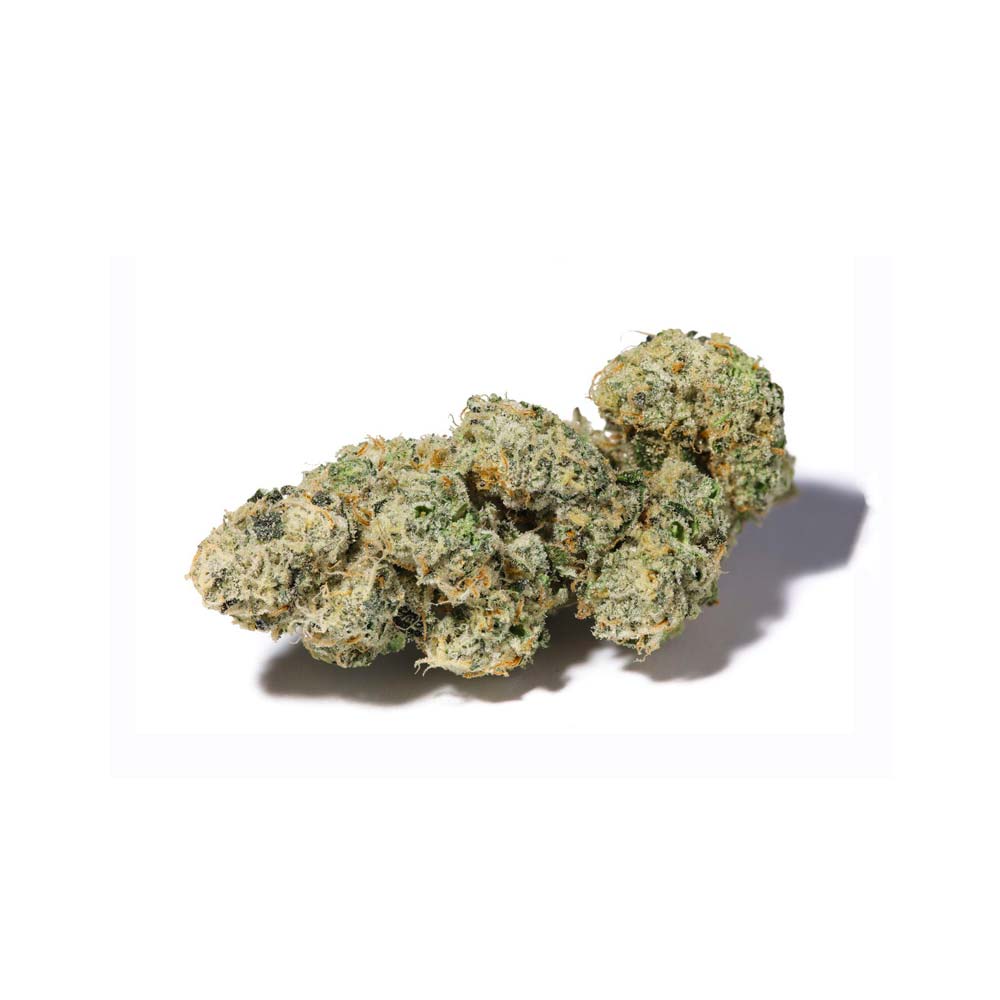
Dried cannabis flower, approved for specific medical conditions, is imported in secure, climate-controlled packaging. These products must meet strict microbial testing requirements, including tests for E. coli, Salmonella, and mould contamination.
Import Statistics and Market Data
The cannabis import market in the UK has grown steadily since legalisation. Recent data indicates that approximately 1,000 kilograms of cannabis flower and several thousand litres of cannabis extract have been imported annually for medical purposes.
The value of medical cannabis imports has increased substantially, with estimates suggesting the market reached £15-20 million in 2026. However, this remains relatively modest compared to other pharmaceutical imports, reflecting the limited number of prescriptions issued within the NHS and private healthcare sectors.
According to Home Office statistics, approximately 2,000-3,000 patients in England receive prescriptions for cannabis-based medicinal products annually. Scotland, Wales, and Northern Ireland maintain separate prescribing systems, though total UK figures suggest fewer than 5,000 active prescriptions across all nations at any given time.
How Medical Cannabis Reaches Patients
Understanding the journey from import to patient is essential for those seeking or considering medical cannabis treatment. Once imported, products undergo additional UK-based quality assurance testing before distribution.
Licensed pharmaceutical companies either supply products directly to hospitals and specialist clinics or distribute them through approved dispensaries. In England, prescriptions for cannabis-based medicinal products can be issued by specialist consultants in specific circumstances, including treatment-resistant epilepsy, chemotherapy-induced nausea, and multiple sclerosis spasticity.
Private clinics also import and distribute cannabis products through private prescriptions, which require consultation with registered medical practitioners. These private routes account for the majority of patient access in the UK, as NHS prescriptions remain exceptionally rare.
Quality Control and Safety Standards
All imported cannabis products must comply with stringent quality control measures. The Medicines and Healthcare Products Regulatory Agency (MHRA) oversees imported pharmaceutical cannabis, ensuring adherence to Good Manufacturing Practice (GMP) standards.
Importers must demonstrate that products have been tested for cannabinoid content, residual solvents, pesticide residues, and microbial contamination. Many imported products undergo accreditation by independent laboratories, with results verified before release to patients.
The consistency of imported products represents a significant advantage over unregulated sources. Lab analysis typically verifies THC and CBD content to within 1-2% accuracy, allowing healthcare providers to prescribe precise dosages.
Challenges in UK Cannabis Importing
Despite legalisation, several challenges affect cannabis imports into the UK. The Home Office licensing process, while necessary for safety, can be time-consuming and restrictive. The limited number of approved suppliers creates supply bottlenecks and reduces competition, potentially affecting pricing.
International shipping of cannabis products requires coordination with customs authorities and compliance with multiple regulatory frameworks. Delays at customs can affect supply continuity, particularly concerning for patients relying on regular medication.
Additionally, the UK’s classification of cannabis-based products creates complexity in the import process. Products containing controlled cannabinoids require different documentation and approval pathways than CBD-only products.
Future Outlook for Cannabis Imports UK
As research into cannabis-based medicinal products expands and clinical evidence accumulates, it is likely that cannabis imports to the UK will increase. The NHS has signalled greater openness to prescribing cannabis products for certain conditions, which could substantially increase demand.
Potential future developments include expanded domestic cultivation, reducing reliance on imports, and streamlined import procedures for approved suppliers. Several UK-based companies have applied for cultivation licences, which could eventually reduce dependence on international sources.
For patients and healthcare professionals, staying informed about approved suppliers, import regulations, and available products remains essential. The landscape of cannabis imports into the UK continues evolving, shaped by research evidence, regulatory developments, and international supply dynamics.
Conclusion
Cannabis imports to the UK represent a carefully regulated supply chain bringing medicinal products from established international producers to UK patients. Understanding where medical cannabis originates, how it is regulated, and the pathways it follows to reach patients provides valuable context for those navigating this evolving healthcare landscape. As the UK’s relationship with medical cannabis matures, the import infrastructure and regulations will likely continue developing to meet patient needs while maintaining rigorous safety and quality standards.
Further Reading
- Medical Cannabis Norwich — Clinics, Prescriptions & Costs
- UK Medical Cannabis Exports: A Growing Industry
- Medical Cannabis in Oxford: Clinics and Patient Access Guide
- Myrcene in Cannabis: Effects, Benefits & UK Medical Guide