
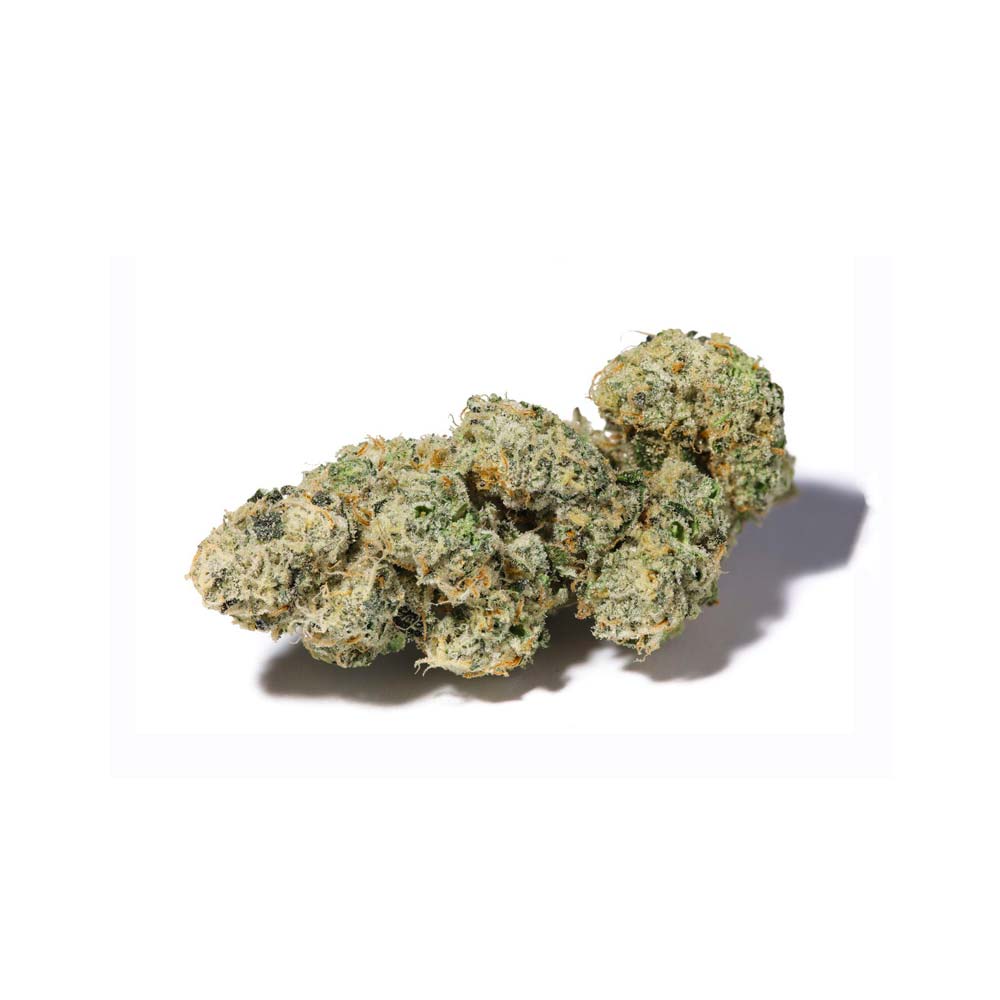
Cannabis for Anxiety in the UK: Evidence, Strains, and Access
Anxiety disorders affect millions of people across the United Kingdom, with traditional pharmaceutical treatments not always providing adequate relief or suitable for everyone. In recent years, medical cannabis has emerged as a potential therapeutic option for anxiety management. Understanding the evidence, available strains, and the process of obtaining a prescription is essential for patients considering this alternative treatment.
The Evidence for Medical Cannabis and Anxiety
Research into cannabis and anxiety has produced mixed but promising results. Several studies suggest that cannabinoids—the active compounds in cannabis—can influence anxiety levels through interaction with the endocannabinoid system, which plays a crucial role in regulating stress responses and emotional processing.
A growing body of clinical evidence indicates that CBD (cannabidiol) in particular demonstrates anxiolytic properties without the psychoactive effects associated with THC. Studies have shown that CBD can reduce anxiety in social situations, generalised anxiety disorder, and panic disorder. The UK’s own medical community has increasingly recognised these potential benefits, leading to greater acceptance of cannabis-based medicinal products for eligible patients.
However, the evidence base remains developing, and more large-scale clinical trials are needed to establish optimal dosing, long-term effects, and suitability for different anxiety presentations. Current research is generally positive but researchers emphasise that cannabis should be considered alongside, not as a replacement for, established anxiety treatments.
Understanding CBD vs THC for Anxiety
The distinction between CBD and THC is critical when considering cannabis for anxiety. CBD is a non-psychoactive cannabinoid that many patients prefer for anxiety management. It does not produce the “high” associated with cannabis use and has shown promise in clinical settings for reducing anxiety without impairing cognition.
THC, by contrast, is the primary psychoactive compound in cannabis. While some patients report anxiety relief at low doses, THC can paradoxically increase anxiety in susceptible individuals, particularly at higher doses. This makes THC-dominant strains less suitable for anxiety management in most cases.
For anxiety treatment, most specialists recommend products with higher CBD to THC ratios or CBD-dominant formulations. This approach minimises psychoactive effects whilst maximising potential therapeutic benefits for anxiety symptoms.
Recommended Cannabis Strains for Anxiety
Jack Herer
Jack Herer is a well-established hybrid strain known for its balanced cannabinoid profile and uplifting effects. Named after the cannabis activist, this strain typically contains moderate levels of both THC and CBD. Patients using Jack Herer often report improved mood and mental clarity alongside anxiety reduction. The strain is valued for providing relaxation without excessive sedation, making it suitable for daytime use.
ACDC
ACDC stands out as an excellent choice for anxiety sufferers seeking minimal psychoactive effects. This strain boasts a remarkable CBD to THC ratio, often containing 20:1 or higher proportions of CBD to THC. Users frequently report significant anxiety reduction, improved sleep quality, and pain relief without cognitive impairment or psychoactive experiences. ACDC’s gentle profile makes it particularly suitable for those new to medical cannabis or sensitive to THC.
Harlequin
Harlequin is another CBD-rich strain favoured by patients with anxiety disorders. With CBD concentrations typically between 5-15% and lower THC levels, Harlequin offers a balanced approach to anxiety management. The strain is known for promoting relaxation whilst maintaining mental focus, making it appropriate for patients who need to remain functional throughout the day.
How to Obtain a Cannabis Prescription in the UK
Since November 2018, medical cannabis has been legal in the UK for patients with certain conditions. However, accessing it remains a structured process requiring specialist consultation.
Firstly, patients must be referred to a specialist doctor experienced in prescribing cannabis-based medicinal products. This often means seeking private consultation, as NHS availability remains limited and typically reserved for specific conditions such as epilepsy, multiple sclerosis-related spasticity, or chemotherapy-induced nausea.
For anxiety specifically, patients may need to demonstrate that conventional treatments have been unsuccessful or unsuitable. This typically involves documented attempts with standard anti-anxiety medications or evidence of contraindications.
The process involves an initial consultation where the specialist evaluates your medical history, current symptoms, and previous treatments. If deemed suitable, the specialist will prescribe a specific cannabis-based product with detailed dosing instructions.
Several private clinics and telemedicine services now facilitate cannabis consultations across the UK. These services assess eligibility and provide prescriptions for products available through licensed UK pharmacies. Patients should ensure they use registered clinics and that prescribing doctors are appropriately registered with the General Medical Council.
Important Considerations
Before pursuing medical cannabis for anxiety, patients should understand that this remains an evolving field. Quality control, standardisation, and individual response variation are important factors. Regular monitoring with your healthcare provider is essential to assess effectiveness and adjust dosing as needed.
Additionally, medical cannabis should complement rather than replace established anxiety management strategies including therapy, lifestyle modifications, and when appropriate, conventional medications.
For UK patients struggling with anxiety, medical cannabis represents an emerging therapeutic option worthy of discussion with healthcare professionals. With advancing evidence and improving access, it may become an increasingly important tool in comprehensive anxiety management.
Further Reading
- Best Cannabis Strains for Anxiety UK — Medical Guide
- Cannabis for Anxiety UK
- Lavender Strain UK: Indica Effects for Anxiety and Sleep
- Does Cannabis Cause Anxiety UK – Risk Factors, Prevention