
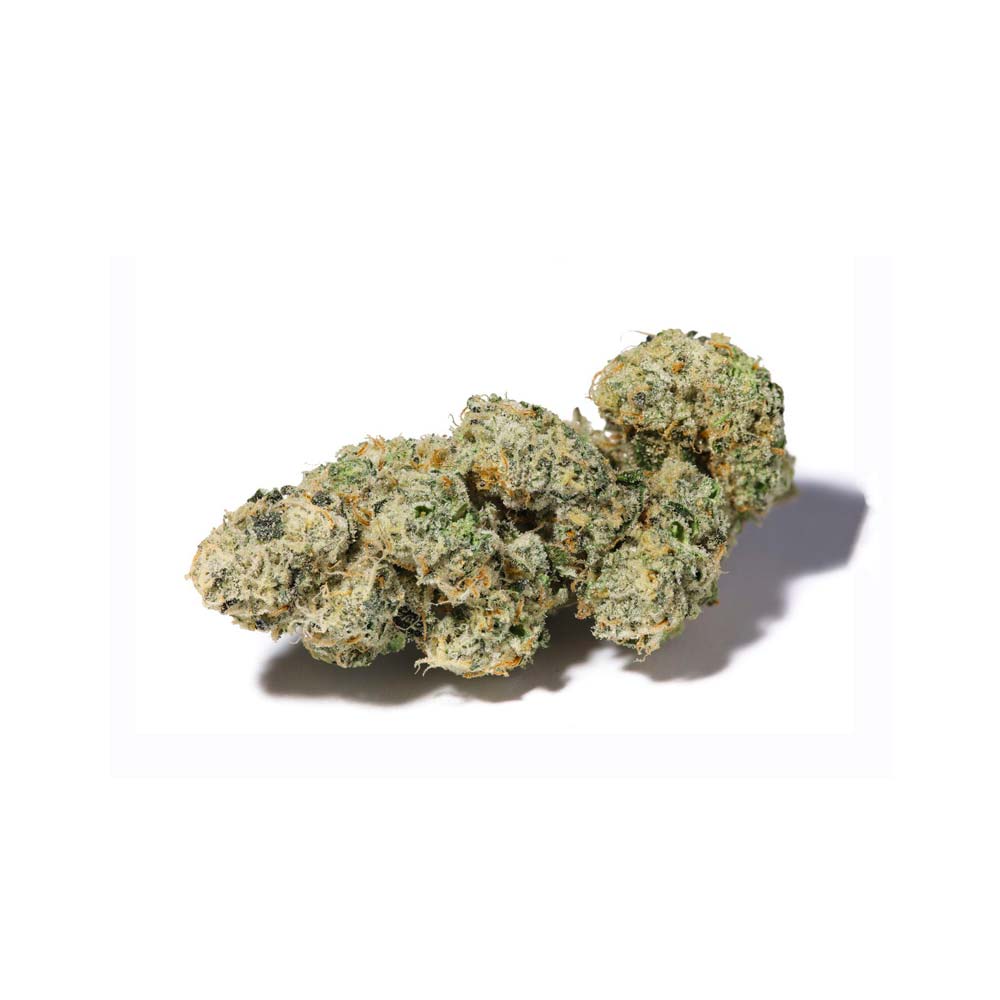
UK Medical Cannabis Exports: A Growing Industry
The United Kingdom has emerged as a significant player in the global medical cannabis market, transforming its regulatory landscape to become a leading producer and exporter of cannabis-based medicines. Since the legalisation of medical cannabis in November 2018, the UK has developed a robust cultivation and manufacturing sector that supplies both domestic patients and international markets. This expansion represents a substantial shift in the country’s pharmaceutical industry and has important implications for patients seeking access to medical cannabis UK treatments.
The Evolution of UK Medical Cannabis Production
The UK’s journey towards becoming a medical cannabis exporter began with a significant policy change in 2018, when the Home Office reclassified cannabis-based products as Schedule 2 controlled drugs, enabling medical professionals to prescribe them for eligible patients. This regulatory shift paved the way for licensed producers to cultivate cannabis for pharmaceutical purposes. Prior to this change, the UK had exported cannabis resin and raw materials, but the emphasis was not on finished medical products.
Today, the UK is home to multiple licensed cultivation facilities operating under strict regulations imposed by the Home Office, the Medicines and Healthcare products Regulatory Agency (MHRA), and the UK Pharmacovigilance system. These producers adhere to Good Manufacturing Practice (GMP) standards, ensuring that products meet international quality and safety benchmarks. The regulatory framework governing UK cannabis law requires all licensed producers to maintain detailed records, undergo regular inspections, and comply with stringent security protocols.
Scale and Scope of UK Exports
According to reports from the UK’s Home Office and industry bodies, medical cannabis exports have grown substantially since licensing began. Whilst exact figures vary by source, estimates suggest that UK producers have been exporting cannabis flower, cannabis-based medicines, and extracts to countries across Europe, North America, and other jurisdictions where medical cannabis is legally permitted. The value of these exports is estimated to be in the range of tens of millions of pounds annually, though comprehensive public data remains limited due to the commercial sensitivity of the sector.
Countries including Canada, Germany, Australia, and several other European nations have imported UK-produced cannabis products. This international demand reflects confidence in the UK’s regulatory standards and the quality of domestically produced materials. The British Pharmaceutical Association and the British Cannabis Industry Council have noted that UK-produced cannabis is competitive on the global stage due to its pharmaceutical-grade quality and traceability.
What This Means for UK Patients
The growth of the medical cannabis export industry carries several implications for patients within the UK seeking access to these treatments. Firstly, the expansion of licensed production capacity has the potential to increase domestic supply availability and potentially influence pricing over time. As production scales up and efficiency improves, the cost pressures that have limited patient access may gradually ease, though currently, most patients still face significant out-of-pocket expenses.
Secondly, the international recognition of UK-produced cannabis products strengthens the clinical credibility of these medicines. When foreign regulators and healthcare systems choose UK products, it reinforces the evidence base and safety profile of medical cannabis. This international validation can support ongoing research and clinical acceptance within the NHS. However, it is important to note that NHS prescribing of medical cannabis remains restricted to specific conditions and specialist settings, as outlined by NICE guidance and the MHRA.
The industry’s expansion also drives further research and development within the UK. Licensed producers often engage in clinical trials and pharmacological studies, contributing to the growing evidence base for cannabis-based medicines. Organisations such as the Cannabinoid Research Institute and Project Twenty21 have helped document patient outcomes and safety profiles, data that benefits all patients seeking these treatments.
Regulatory Framework and Quality Assurance
The UK’s capacity to export medical cannabis stems directly from its stringent regulatory environment. The MHRA maintains oversight of all cannabis-based medicinal products, requiring evidence of efficacy, safety, and quality before any product can be licensed. GMP certification ensures that cultivation and manufacturing processes meet pharmaceutical standards comparable to conventional medicines.
All UK licensed producers must comply with the Home Office Drugs Licensing regime, which includes requirements for secure storage, transport protocols, and detailed record-keeping. The security measures implemented are among the most rigorous in the world, reflecting the controlled status of cannabis. Additionally, products intended for export must meet the regulatory requirements of the destination country, meaning UK producers often produce to standards that exceed even domestic requirements.
Challenges and Future Outlook
Despite the growth trajectory, the UK medical cannabis industry faces ongoing challenges. The Home Office licensing process remains time-consuming and costly, creating barriers to new entrants and limiting production expansion. Additionally, international regulatory variation means that products licensed in the UK may require reformulation or additional testing to meet overseas requirements, increasing operational complexity.
The future outlook for UK medical cannabis exports appears positive. Industry projections suggest continued growth as more countries legalise medical cannabis and demand rises. The UK’s early-mover advantage in regulatory development and GMP-compliant production positions the sector favourably. Ongoing clinical research and real-world evidence generation will likely support broader clinical adoption and potentially influence NHS prescribing policies.
For patients, this evolving landscape suggests that increased domestic production and export capacity could eventually translate into improved accessibility and affordability of medical cannabis treatments, though systemic barriers within the NHS remain substantial at present.
Frequently Asked Questions
- Can NHS patients in the UK access medical cannabis through the NHS?
- NHS prescribing of cannabis-based medicines is limited to specific conditions as determined by NICE guidance and specialist clinicians. Access is restricted to cases where conventional treatments have been unsuccessful. Most patients currently access medical cannabis through private clinics and bear the full cost themselves. NHS funding remains very limited, with only a small number of patients receiving prescriptions on the health service.
- How does UK export success impact domestic availability?
- The growth of exports demonstrates that UK-licensed producers have capacity beyond domestic demand. However, whether this translates into improved domestic patient access depends on pricing, NHS policy decisions, and whether increased production continues to outpace export demand. Currently, the export market is economically attractive, which may influence producer priorities regarding domestic versus international sales.
- Are UK-produced medical cannabis products safe?
- Yes, UK-produced medical cannabis products are manufactured under GMP standards and MHRA oversight, ensuring quality, purity, and consistency. All products must meet rigorous safety and efficacy requirements before licensing. Regular inspections and pharmacovigilance monitoring ensure ongoing compliance. The quality standards applied are equivalent to those for conventional pharmaceutical medicines.