
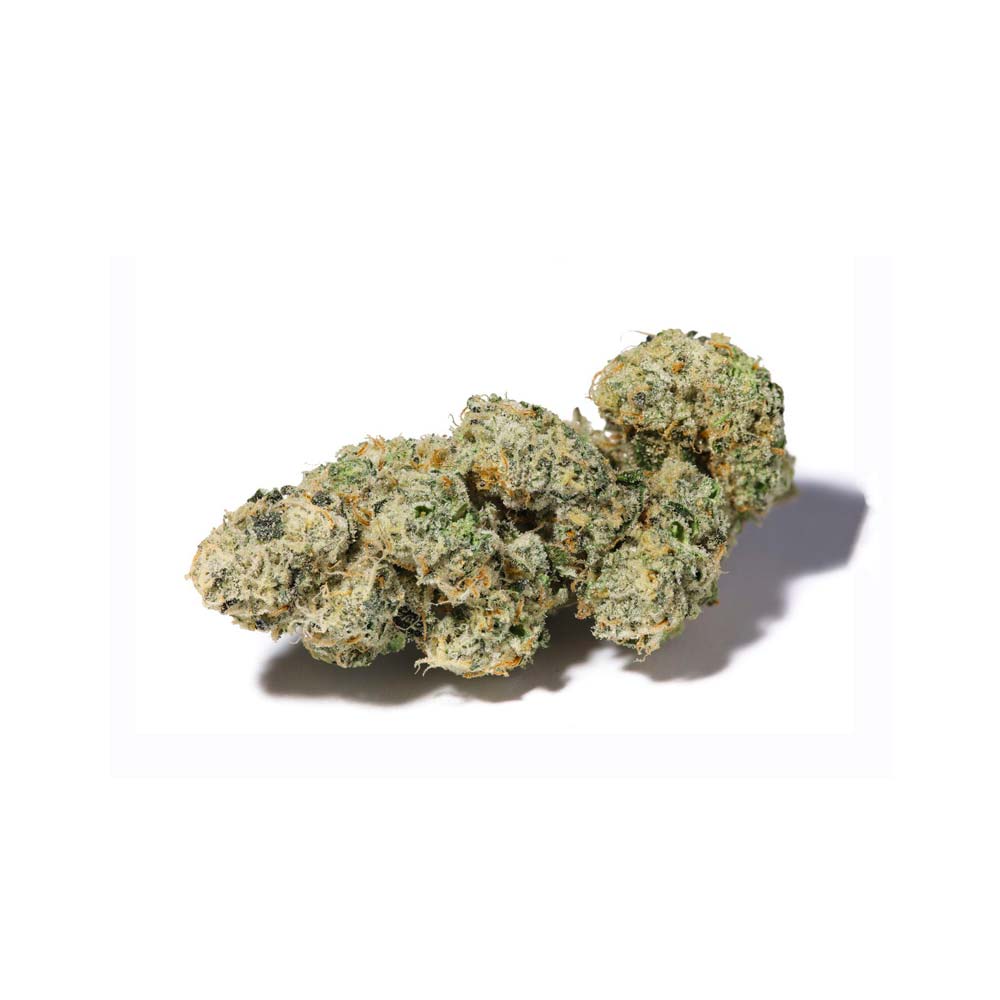
UK Domestic Medical Cannabis Production: A Complete Guide
Since the reclassification of cannabis in 2018, the United Kingdom has theoretically permitted domestic cultivation of medical cannabis. However, the reality of UK domestic production remains far more complex than the regulations suggest. Despite multiple licensed producers operating within the country, the vast majority of medical cannabis consumed by UK patients continues to be imported, creating a significant gap between regulatory intent and practical supply.
History of UK Medical Cannabis Licensing
Prior to November 2018, all cannabis cultivation in the UK was effectively prohibited. The reclassification changed this framework by introducing Schedule 1 and Schedule 2 licences under Home Office oversight. Schedule 1 licences were initially intended for research purposes only, while Schedule 2 licences would theoretically permit commercial cultivation for medical supply.
This licensing system was revolutionary in principle but remained extraordinarily restrictive in practice. The Home Office maintained complete gatekeeping authority, with applications requiring evidence of medical necessity, security infrastructure, quality assurance systems, and pharmaceutical-grade production standards. The deliberate bureaucratic approach reflected ongoing tensions between therapeutic recognition and traditional drug policy frameworks.
Major Licensed UK Producers
Several organisations have successfully navigated the licensing process to establish domestic cultivation operations. British Sugar, operating under its subsidiary Oxford Cannabinoid Technologies, represents the most established licensed producer. Beginning cultivation in 2021 at a facility in Norfolk, British Sugar has become synonymous with UK domestic medical cannabis production, though availability remains limited and supply significantly below potential capacity.
Grow Pharma UK has also obtained Home Office licences for cultivation operations. Despite receiving regulatory approval, Grow Pharma has similarly struggled to establish meaningful market presence, with production capacity underutilised relative to licensed potential. Other smaller licensed producers operate within the UK framework, but none has achieved substantial commercial scale or meaningful patient access.
The disparity between licensed capacity and actual supply reflects deeper structural problems within the UK system. Licences represent permission to grow, not guaranteed market access or distribution pathways. Licensed producers face additional hurdles including quality certification, pharmaceutical accreditation, and integration into supply chains that remain heavily weighted toward imported products.
The Import Dependency Problem
Despite licensing domestic producers, approximately 95% of medical cannabis supplied to UK patients originates from imports, predominantly from Canada, the Netherlands, and Israel. This counterintuitive situation exists for several interconnected reasons.
First, established international producers have developed extensive cultivation experience, quality consistency, and certified supply chains over many years. Dutch and Canadian producers operate at industrial scale with proven regulatory compliance across multiple jurisdictions. Importing established products requires less investment and carries lower operational risk than developing domestic supplies from zero.
Second, prescription patterns remain heavily influenced by products that have already achieved distribution approval. Specialist clinics and best UK cannabis clinics maintain relationships with established importers, creating institutional inertia that protects existing supply channels. Third-party verification and consistent testing of imported products provides measurable assurance that domestic alternatives cannot yet replicate at equivalent scale.
Third, domestic producers have faced persistent supply chain fragmentation. Licensed cultivation facilities have not necessarily integrated with distribution, pharmaceutical processing, or prescription channels. The absence of a cohesive domestic supply ecosystem means that licensed production capacity cannot translate directly into patient availability.
Regulatory Requirements for UK Cultivation
UK domestic cultivation operates under stringent pharmaceutical standards that significantly exceed international norms. Producers must maintain Good Manufacturing Practice (GMP) certification, meeting standards equivalent to pharmaceutical manufacturing rather than agricultural production. This creates substantial capital requirements and ongoing operational complexity.
Home Office oversight extends beyond initial licensing to include regular inspections, security protocols, production documentation, and detailed reporting requirements. These oversight mechanisms, while ensuring public safety and preventing diversion, introduce administrative burden that inflates operational costs and slows expansion.
Licensed producers must demonstrate continuous compliance with environmental controls, contamination prevention, pest management, and product testing regimens. These requirements, individually justified, collectively create high barriers to entry and operation. For smaller potential producers, the regulatory burden can be prohibitively expensive relative to market opportunity.
Research Licenses Versus Commercial Licenses
A critical distinction exists between Schedule 1 research licences and Schedule 2 commercial licences. Research licences permit cultivation specifically for clinical research, development, and testing purposes. Commercial licences theoretically permit cultivation for patient supply, representing a substantially higher regulatory bar.
Most academic institutions and research organisations hold Schedule 1 licences, conducting valuable research into cannabis-derived therapeutics, extraction techniques, and clinical applications. However, these research activities do not automatically translate into commercial supply. The pathway from research licensing to commercial production remains unclear, with few organisations successfully transitioning between these categories.
This gap has created an awkward middle ground where research advances occur domestically while commercial supply remains predominantly imported. Knowledge development has not generated corresponding commercial production scaling.
Future Outlook for Domestic Production
Industry observers anticipate gradual increase in UK domestic production over the coming years as licensed producers optimise operations and new capacity comes online. However, significant obstacles remain. Regulatory complexity, high capital requirements, uncertain demand pathways, and established import competition all constrain growth potential.
Potential developments that could accelerate domestic production include regulatory streamlining, expanded prescription numbers, integration of domestic cultivation with pharmaceutical distribution networks, and cost reductions through technological improvements. However, none of these developments is guaranteed.
Implications for Patient Access and Pricing
For patients accessing best UK cannabis clinics, current market structure creates significant challenges. Limited domestic supply perpetuates reliance on imported products, which typically carry higher costs than potential domestic alternatives. Pricing remains substantially elevated compared to international markets, with costs partially reflecting import logistics, regulatory approval processes, and limited market scale.
As domestic production potentially increases, realistic expectations suggest gradual price reduction and improved product consistency rather than revolutionary change. The regulatory framework will continue prioritising pharmaceutical-grade standards, preventing commodity-level pricing typical of liberalised jurisdictions.
Patient access ultimately depends on prescription numbers, clinic expansion, and product availability through medical cannabis pathways. Increased domestic production could support these expansions, but regulatory and commercial pathways remain uncertain.
Conclusion
UK domestic medical cannabis production represents an ongoing transition from theoretical licensing to practical commercial supply. Licensed producers exist, regulatory frameworks have evolved, and research programmes advance medical knowledge. Yet transforming this framework into reliable domestic supply meeting patient needs requires sustained investment, regulatory refinement, and development of cohesive supply ecosystems. The journey from prohibition to pharmaceutical production continues, with outcomes dependent on regulatory choices and commercial decisions made over coming years.