
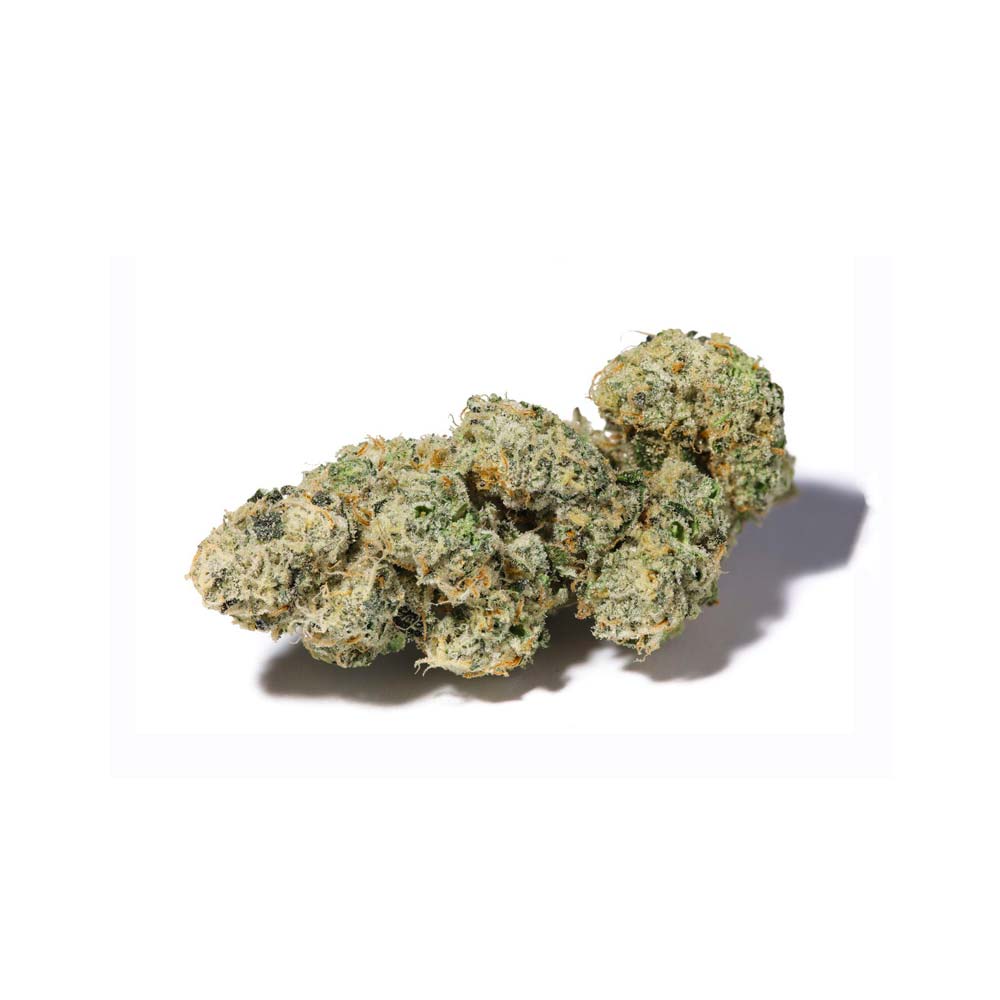
What is THCV?
Tetrahydrocannabivarin (THCV) is a naturally occurring cannabinoid found in cannabis plants that shares a similar molecular structure to THC (tetrahydrocannabinol), yet produces distinctly different effects. Whilst both compounds are cannabinoids derived from the cannabis plant, THCV differs in its chemical composition—specifically in the length of its side chain—which results in fundamentally different interactions with the body’s endocannabinoid system. This structural variation is crucial to understanding why THCV offers a unique profile of effects that has attracted considerable scientific interest and consumer curiosity within the UK market.
The Appetite-Suppressing Mechanism
One of the most distinctive properties of THCV is its appetite-suppressing effect at low to moderate doses, a characteristic that sets it apart sharply from THC, which typically stimulates hunger. This appetite-suppressing action occurs because THCV functions as a CB1 receptor antagonist at lower doses. The CB1 receptor, located primarily in the brain and central nervous system, plays a key role in regulating appetite and energy balance. By blocking these receptors rather than activating them as THC does, THCV effectively suppresses the desire to eat, making it a potentially valuable compound for weight management and metabolic health.
Potential Applications in Diabetes and Obesity Treatment
The appetite-suppressing properties of THCV have generated significant interest among researchers investigating treatments for obesity and type 2 diabetes. These two conditions are increasingly prevalent in the UK and represent major public health concerns. Early research suggests that THCV may offer dual benefits: reducing caloric intake through appetite suppression whilst potentially improving metabolic function and blood glucose control. Several preclinical studies have indicated that THCV might enhance insulin sensitivity and promote beneficial changes in lipid profiles. Whilst these findings are promising, it is important to note that human clinical trials remain limited, and further research is necessary before THCV can be considered an established therapeutic option in the UK or elsewhere.
Natural Sources and Cannabis Strains
THCV is produced naturally by specific cannabis strains, though it is not present in all varieties. Sativa strains, particularly those originating from equatorial regions, tend to contain higher concentrations of THCV. The most renowned example is Durban Poison, a South African sativa strain that is exceptionally rich in THCV content. This strain has become something of a reference point in discussions about THCV, as it typically contains significantly higher levels of this cannabinoid compared to other commonly available varieties. Other THCV-rich strains include Jack the Ripper, Power Plant, and various Kenyan landrace varieties. The abundance of THCV in these strains reflects their evolutionary adaptation to specific geographical environments.
THCV Products Available in the UK Market
The UK market has seen an emergence of THCV-containing products in recent years, including concentrates, oils, flower, and isolated THCV preparations. These products are primarily marketed towards consumers interested in weight management, metabolic health, and enhanced mental clarity. However, availability remains more limited compared to CBD or standard cannabis products, and quality consistency across suppliers varies considerably. Consumers should exercise caution when purchasing THCV products and seek reputable suppliers who provide third-party testing results.
Legal Status in the United Kingdom
The legal status of THCV in the UK is complex and somewhat ambiguous. Cannabis remains a controlled substance under the Misuse of Drugs Act 1971, classified as a Class B drug. Whilst CBD products derived from cannabis are now legally permitted under specific conditions, THCV occupies a grey area. Products containing only THCV (without THC) may potentially fall outside strict cannabis legislation, though this interpretation remains untested in British courts. Consumers should be aware of this legal uncertainty before purchasing THCV products.
Additional Effects and Research Status
Beyond appetite suppression, THCV demonstrates intriguing effects at higher doses. Interestingly, at elevated concentrations, THCV may enhance euphoric effects rather than suppress them, potentially acting as a CB1 receptor agonist at these levels. Users frequently report increased energy, improved focus, and mental clarity when consuming THCV. These stimulating properties further differentiate THCV from THC’s typically sedative profile. Currently, research into THCV remains relatively early-stage, with most robust studies conducted in vitro or on animal models. Human clinical trials are limited, meaning that whilst early data appears encouraging, considerable additional research is required to establish THCV’s safety profile, optimal dosing protocols, and genuine therapeutic value in treating metabolic disorders and other conditions.
Further Reading
- Acapulco Gold Strain — Effects, THC, UK Guide
- Gorilla Glue #4 Strain — Effects, THC 25%+, UK Guide
- Pineapple Express Strain — Effects, THC, UK Guide
- Black Widow Strain — Effects, THC, UK Guide