
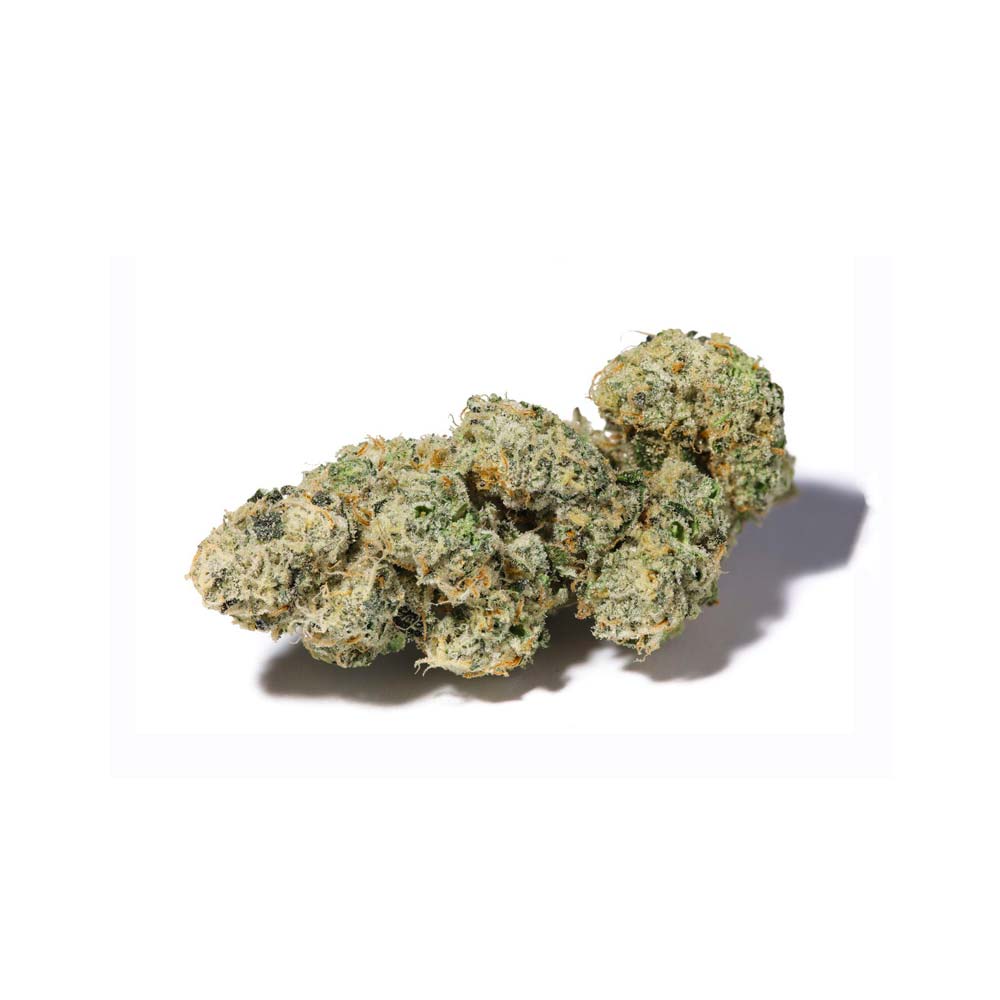
Complete Guide to Cannabis Strains Available in the UK Medical System
Since the legalisation of medical cannabis in the UK in 2018, patients have gained access to a range of cannabis strains through regulated pharmacies. Understanding the differences between strains, their cannabinoid profiles, and their therapeutic applications is essential for anyone seeking treatment. This comprehensive guide explores the cannabis strains available within the UK medical system and how to work with your prescriber to find the most suitable option for your condition.
1. Understanding Indica vs Sativa vs Hybrid Strains
Cannabis plants are traditionally classified into three main categories based on their physical characteristics and effects: Indica, Sativa, and Hybrid. Whilst modern science suggests these classifications are somewhat oversimplified, they remain useful for understanding how different strains may affect you.
Indica Strains
Indica plants are shorter and bushier, with wider leaves and denser buds. They typically flower more quickly than Sativa strains and are associated with relaxing, sedating effects. Indica strains are generally recommended for evening use and are often preferred by patients seeking help with sleep, pain relief, and muscle tension. The effects are often described as “body high” rather than cerebral.
Sativa Strains
Sativa plants are taller with narrower leaves and are native to equatorial regions. They take longer to flower but are associated with uplifting, energising effects. Sativa strains are often recommended for daytime use and may be beneficial for patients with mood disorders, fatigue, or lack of focus. The effects are typically more cerebral and creative.
Hybrid Strains
Hybrid strains are crossbreeds between Indica and Sativa plants and can display characteristics of both parent plants. Hybrids are classified as Indica-dominant, Sativa-dominant, or balanced, depending on their genetic makeup. This classification allows for more nuanced therapeutic applications, making hybrids versatile for various conditions and times of day.
2. Understanding THC and CBD Ratios in Medical Cannabis
Tetrahydrocannabinol (THC) and cannabidiol (CBD) are the two primary cannabinoids in cannabis. Understanding their ratios is crucial for medical patients, as different ratios produce different effects and therapeutic benefits.
THC (Tetrahydrocannabinol)
THC is the psychoactive compound responsible for the “high” associated with cannabis. In medical contexts, THC is beneficial for pain relief, nausea, appetite stimulation, and muscle spasticity. However, higher THC levels can increase the risk of anxiety or paranoia in some patients. Medical strains typically contain between 5-25% THC, depending on the condition being treated.
CBD (Cannabidiol)
CBD is non-intoxicating and has gained significant attention for its therapeutic properties. It is particularly effective for anxiety, inflammation, seizures, and psychosis without producing a high. CBD can also modulate the effects of THC, reducing potential anxiety or paranoia. High-CBD strains are becoming increasingly popular in the UK medical system, particularly for neurological conditions.
THC:CBD Ratios
The ratio of THC to CBD determines the overall effect profile of a strain. A 1:1 ratio provides balanced effects, making it suitable for many conditions. High-THC strains (20:1 or greater) are better for pain and severe symptoms. High-CBD strains (1:20 or greater) are preferred for anxiety, epilepsy, and inflammation without significant psychoactive effects. Understanding your ideal ratio is essential when working with your prescriber.
3. Top Strains for Pain Management
Chronic pain is one of the most common reasons for medical cannabis prescriptions in the UK. Several strains have proven particularly effective for pain relief.
OG Kush
OG Kush is an Indica-dominant hybrid with THC levels typically between 17-24%. This strain is renowned for its potent pain-relieving properties and is commonly prescribed for chronic pain, arthritis, and back pain. Its relaxing effects also make it suitable for evening use. The strain has an earthy, pine flavour with subtle citrus notes.
Gorilla Glue
Gorilla Glue, also known as GG4, is a balanced hybrid with THC content around 18-25% and minimal CBD. It is highly effective for severe pain and muscle tension due to its strong analgesic properties. Patients often report significant pain relief within minutes of use. The strain has a pungent, earthy flavour with hints of chocolate and coffee.
White Widow
White Widow is a balanced hybrid featuring approximately 18-25% THC and 1-2% CBD. It has been a cornerstone of pain management for decades and is recognised for its reliable, consistent effects. It works well for both neuropathic and inflammatory pain. The strain has a sweet, piney flavour with subtle spice.
4. Best Strains for Anxiety and PTSD
Anxiety and post-traumatic stress disorder (PTSD) require strains with lower psychoactive effects but strong anxiolytic properties. The following strains have shown promise in managing these conditions.
Jack Herer
Jack Herer is a Sativa-dominant hybrid with THC levels around 15-24% and approximately 0.5-1.5% CBD. Despite its higher THC content, it is renowned for promoting mental clarity and reducing anxiety rather than inducing it. Many patients with PTSD report improved mood and reduced hypervigilance. The strain has a sweet, piney flavour with hints of lemon and spice.
Blue Dream
Blue Dream is a Sativa-dominant hybrid with approximately 17-24% THC and 1-2% CBD. Its balanced cannabinoid profile creates a calm yet focused state, making it ideal for anxiety sufferers who need to maintain productivity. The strain is also effective for mood elevation. The flavour is sweet with berry and vanilla notes.
Harlequin
Harlequin is a Sativa-dominant strain with a unique cannabinoid profile of approximately 7-15% THC and 6-15% CBD, making it particularly suitable for anxiety. The high CBD content counterbalances THC’s psychoactive effects whilst maintaining therapeutic benefits. Patients report clear-headed relief from anxiety without sedation. The strain has an earthy, woody flavour with herbal notes.
5. Best Strains for Sleep
Sleep disorders are prevalent among chronic pain and anxiety patients. These Indica-dominant strains are specifically selected for their sedating properties.
Northern Lights
Northern Lights is a pure Indica with THC content between 16-21%. It is one of the most famous sleep-promoting strains available and is widely prescribed in UK pharmacies for insomnia. Its relaxing, body-focused effects lead naturally to sleep. The strain has a sweet, spicy flavour with pine undertones.
Granddaddy Purple
Granddaddy Purple is an Indica with approximately 17-23% THC and minimal CBD. It is particularly effective for patients with pain-related insomnia, as it addresses both conditions simultaneously. The strain induces a heavy body high followed by deep sleep. The flavour profile includes grape, berry, and pine notes.
Critical Kush
Critical Kush is an Indica-dominant hybrid with THC levels around 20-25% and 0.5-1% CBD. It combines the pain-relieving properties of its Kush lineage with the yielding sleep benefits of its Critical parent strain. It is excellent for patients whose pain interferes with sleep. The strain has a pungent, earthy flavour with hints of berry.
6. Strains for Epilepsy and Neurological Conditions
High-CBD strains have demonstrated particular efficacy in treating epilepsy and other neurological conditions. These strains prioritise CBD over THC.
Charlotte’s Web Type Strains
Charlotte’s Web is a high-CBD, low-THC strain with CBD levels around 13-20% and THC below 0.3%. Originally developed to treat a young girl named Charlotte with severe epilepsy, this strain has become the gold standard for seizure management. UK pharmacies may stock similar high-CBD strains with comparable profiles. These strains provide therapeutic benefits without significant psychoactivity.
Cannatonic
Cannatonic is a hybrid strain with approximately equal CBD and THC levels (around 7-12% each). This balanced profile is effective for epilepsy whilst providing some pain relief and anxiety reduction. The 1:1 ratio makes it suitable for daytime use without excessive sedation.
Bediol
Bediol is an Indica with a CBD:THC ratio of approximately 6.5:8, providing strong anticonvulsant properties alongside pain relief. It is particularly recommended for patients whose seizures are accompanied by chronic pain or anxiety.
7. How UK Pharmacies Dispense Cannabis Strains
The UK medical cannabis system differs from recreational markets, particularly in how strains are named, branded, and dispensed.
Brand Names vs Genetic Strain Names
UK pharmacies typically dispense cannabis under pharmaceutical brand names rather than traditional street names. For example, a pharmacy might dispense “Nabilone” (synthetic THC) or specific cultivars from licenced producers under their designated product names. However, some pharmacies do reference the genetic strain name to help patients understand the cannabinoid profile and effects.
Standardised Products
Unlike illicit markets, UK medical cannabis is rigorously tested for THC and CBD content, microbial contamination, and heavy metals. Each batch is standardised, meaning a strain from one dispensing should have consistent cannabinoid levels to the last. This consistency is crucial for managing your condition effectively.
Flower vs Oil vs Other Forms
UK pharmacies may dispense cannabis in various forms, including dried flower (buds) for vaporisation, oils and tinctures, capsules, or other pharmaceutical preparations. The form of delivery affects onset time, duration, and bioavailability. Flower acts quickly (minutes), whilst oils take longer (hours) but last longer.
8. How to Discuss Strain Preferences with Your Prescriber
Effective communication with your prescriber is essential for receiving the most appropriate strain for your condition.
Preparation for Your Appointment
Before meeting your prescriber, document your medical history, current symptoms, and any previous cannabis experiences. Note the time of day you typically experience symptoms and whether you need to remain functional (daytime use) or if sedation is acceptable (evening use). Understanding your lifestyle requirements helps your prescriber recommend appropriate strains.
Discussing Your Condition
Be specific about your symptoms. Rather than saying “I have pain,” describe the type (sharp, dull, burning), location, and how it affects your daily life. For anxiety or PTSD, discuss triggers and whether you need to work or drive. This specificity allows your prescriber to recommend strains with appropriate cannabinoid profiles.
Sharing Your Preferences
If you have researched specific strains, share this information with your prescriber. However, remember that availability varies based on your pharmacy and what their licenced suppliers currently stock. Be open to alternatives that address your needs similarly. Your prescriber may recommend strains you hadn’t considered based on their medical knowledge and experience.
Finding a Specialist Clinic
Working with a medical cannabis specialist significantly improves outcomes. These clinicians have extensive experience matching strains to conditions and can adjust prescriptions as your needs evolve. Visit the best cannabis clinics in the UK to find a specialist clinic near you.
Starting Low and Going Slow
Medical cannabis prescribing follows the “start low, go slow” principle. Your prescriber will likely begin with lower THC strains or lower doses and adjust based on your response. Attend follow-up appointments to discuss efficacy and any side effects, allowing your prescriber to modify the strain or dosage accordingly.
Strain Comparison Table
| Strain | Type | THC % | CBD % | Best For | Flavour |
|---|---|---|---|---|---|
| OG Kush | Indica Hybrid | 17-24 | 0.5-1 | Chronic pain, arthritis | Earthy, pine, citrus |
| Gorilla Glue | Balanced Hybrid | 18-25 | 0.1-0.5 | Severe pain, muscle tension | Pungent, earthy, chocolate, coffee |
| White Widow | Balanced Hybrid | 18-25 | 1-2 | Neuropathic and inflammatory pain | Sweet, piney, spice |
| Jack Herer | Sativa Hybrid | 15-24 | 0.5-1.5 | Anxiety, PTSD, mood | Sweet, pine, lemon, spice |
| Blue Dream | Sativa Hybrid | 17-24 | 1-2 | Anxiety, mood elevation | Sweet, berry, vanilla |
| Harlequin | Sativa Hybrid | 7-15 | 6-15 | Anxiety without sedation | Earthy, woody, herbal |
| Northern Lights | Pure Indica | 16-21 | 0.5-1 | Insomnia, sleep disorders | Sweet, spicy, pine |
| Granddaddy Purple | Indica | 17-23 | 0.1-0.5 | Pain-related insomnia | Grape, berry, pine |
| Critical Kush | Indica Hybrid | 20-25 | 0.5-1 | Pain and sleep | Pungent, earthy, berry |