
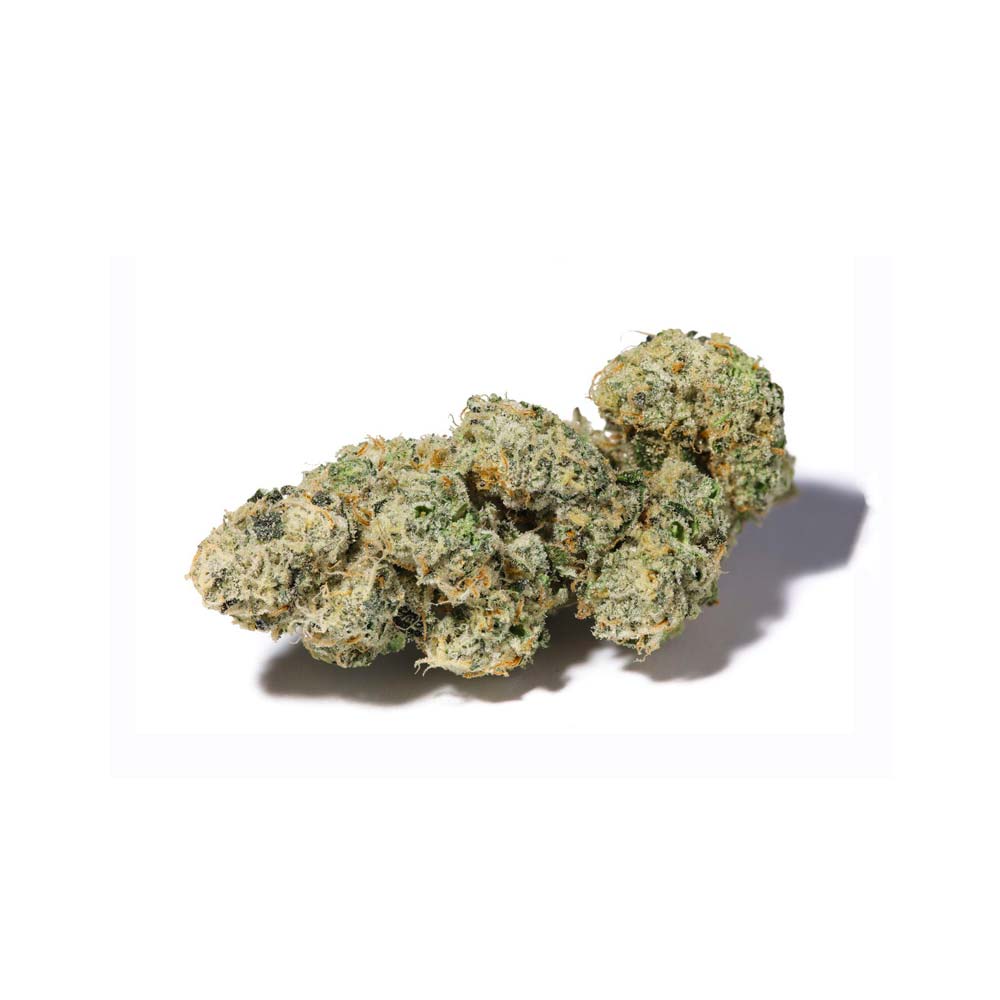
Medical Cannabis for Terminally Ill Patients in the UK
For patients facing terminal illness, the focus of medical treatment shifts fundamentally towards comfort, dignity, and quality of remaining life. Medical cannabis has emerged as a potential therapeutic option within palliative care frameworks across the United Kingdom, offering relief from symptoms that traditional medications often fail to adequately control. As patients and families navigate end-of-life decisions, understanding cannabis’s role in palliative medicine becomes increasingly important.
Cannabis in Palliative Care: Symptom Management
Palliative care specialists recognise that terminal illness produces a constellation of distressing symptoms. Medical cannabis addresses several simultaneously, which distinguishes it from many conventional treatments. Pain represents the most urgent concern, and cannabis’s analgesic properties can provide relief when opioid tolerance develops or side effects become intolerable. Beyond pain management, patients often suffer from chemotherapy-induced nausea, loss of appetite, and anxiety that compounds physical suffering.
Cannabis has demonstrated efficacy in reducing nausea and stimulating appetite, helping terminal patients maintain nutrition and dignity during final months. Many patients report improved sleep quality, a profound benefit when anxiety and discomfort typically fragment rest. The anxiolytic effects provide psychological comfort, allowing patients to spend quality time with loved ones without overwhelming fear or distress. These benefits work synergistically, improving overall wellbeing rather than merely masking individual symptoms.
Marie Curie and Palliative Care Perspectives
Marie Curie, the UK’s leading palliative care charity, advocates for patient-centred end-of-life care that prioritises comfort and individual choice. While the charity focuses primarily on nursing and emotional support, it recognises that medical cannabis represents a legitimate therapeutic option within comprehensive palliative care frameworks. This position reflects broader healthcare evolution, acknowledging that terminally ill patients deserve access to all potentially beneficial treatments, provided they receive proper medical supervision and informed consent.
Rapid Access Options for Terminal Patients
The NHS cannabis framework, introduced in 2018, recognises specialist doctors’ authority to prescribe cannabis-derived medicines when conventional treatments prove ineffective. Several specialised clinics have implemented fast-track pathways for terminal patients, acknowledging that time constraints demand expedited assessment. Patients with confirmed terminal diagnoses may access consultations within weeks rather than months, with some private clinics offering even more rapid evaluation for those with financial means.
Palliative care consultants increasingly collaborate with cannabis specialists to expedite prescribing for appropriate patients. This integrated approach ensures medical oversight while respecting the urgency of end-of-life situations. Some NHS trusts have established dedicated pathways enabling rapid assessment and prescription initiation without lengthy waiting periods.
Dosing and Administration for End-of-Life Patients
Terminal patients typically require individualised dosing strategies. Medical cannabis dosages for palliative patients often differ significantly from chronic illness protocols, as end-of-life treatment prioritises comfort over long-term safety considerations. Specialists typically start with lower doses, titrating upwards based on symptom response and tolerance. Oil-based preparations, capsules, and dried flower offer flexible delivery options, allowing patients to adjust administration based on comfort and swallowing ability.
As patients decline, inhalation methods become impractical, necessitating alternatives. Sublingual oils, rectal administration, and transdermal patches provide options when oral medication becomes impossible. Dosing schedules accommodate unpredictable symptom fluctuations characteristic of terminal illness.
Caregiver Support and Hospice Policies
Family members and caregivers play essential roles in administering medical cannabis safely. Specialist clinics provide comprehensive training regarding preparation, dosing, storage, and monitoring for adverse effects. Caregivers receive guidance on recognising therapeutic responses and adjusting administration accordingly. Many hospice services now incorporate cannabis into care protocols, with staff trained to support patients using these medicines within established frameworks.
Legal Protections and Charitable Support
Terminal patients possess significant legal protections under NHS cannabis frameworks. Once prescribed by specialists, patients legally possess and use cannabis-derived medicines without prosecution concerns. Several charities, including the Medical best UK cannabis clinics UK patient support network and end-of-life focused organisations, provide guidance navigating access, funding assistance, and emotional support throughout the process.
For terminally ill patients in the UK, medical cannabis represents a compassionate therapeutic option, carefully integrated within palliative frameworks that honour patients’ autonomy and prioritise dignity during life’s final chapter.