
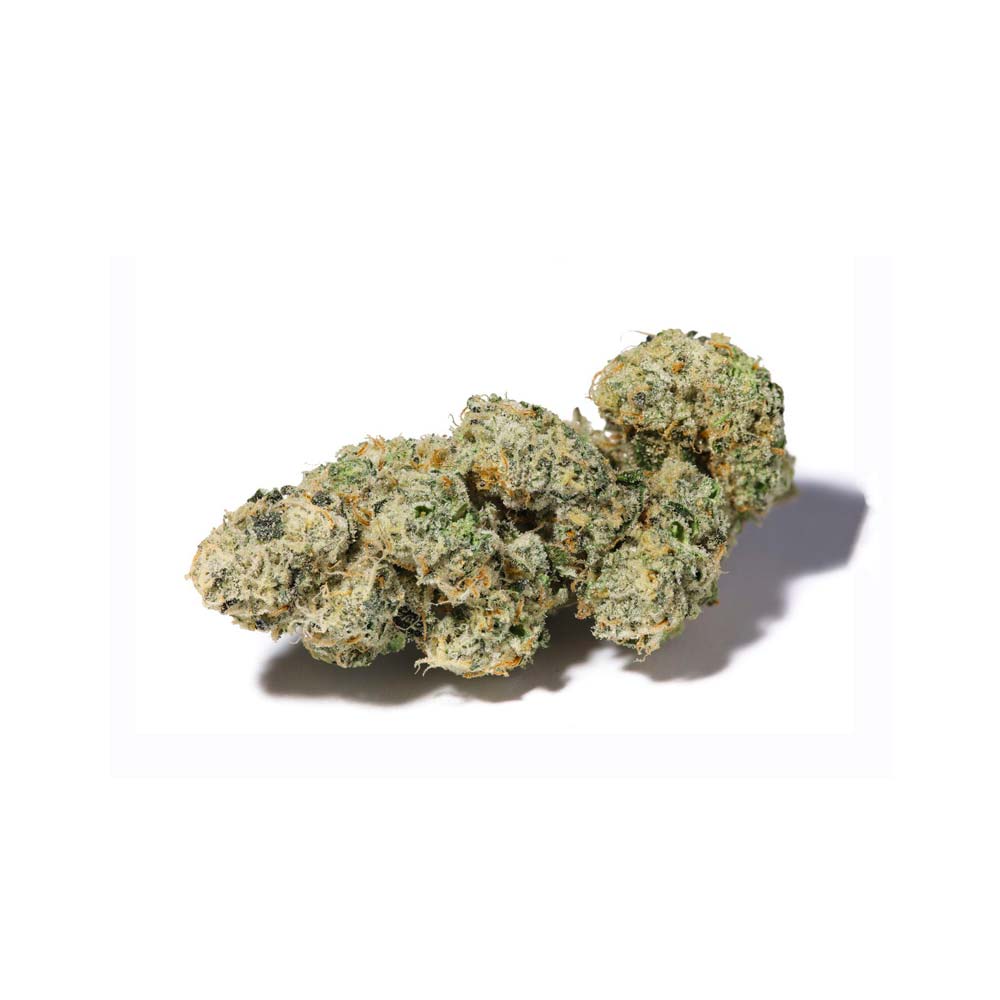
Best Cannabis Strains for Cancer UK: Palliative Care
Understanding Cannabis in Palliative Cancer Care
Cannabis has emerged as a valuable therapeutic option for cancer patients in the United Kingdom, particularly within palliative care frameworks. Palliative care focuses on improving quality of life and managing symptoms during cancer treatment and advanced disease. Rather than targeting cancer cells directly, medical cannabis helps address the devastating side effects that significantly impact patient wellbeing.
The endocannabinoid system, a biological network present throughout the human body, plays a crucial role in regulating pain, nausea, appetite, and mood. When cancer or its treatments disrupt these systems, medical cannabis can help restore balance and provide meaningful symptom relief.
Evidence for Cannabis in Cancer Symptom Management
Clinical research and patient testimonies demonstrate cannabis effectiveness for multiple cancer-related symptoms. The most robust evidence supports its use for neuropathic pain, chronic pain that doesn’t respond to conventional medications, and treatment-induced nausea and vomiting (CINV).
Studies published in the British Medical Journal and research by cancer organisations highlight how cannabinoids reduce chemotherapy-induced nausea more effectively than some pharmaceutical alternatives, with fewer side effects. Additionally, cannabis stimulates appetite??a critical concern for patients experiencing cachexia and unintentional weight loss during treatment.
Pain Management and Symptom Relief
Cancer pain remains one of the most distressing symptoms patients face. Medical cannabis works through multiple pathways to reduce pain sensation, decrease inflammation, and improve pain tolerance. Unlike opioids, cannabis carries lower addiction risk and typically produces fewer gastrointestinal complications.
Beyond pain, cannabis helps manage anxiety, insomnia, and mood disturbances—common psychological burdens in cancer patients. This holistic symptom management approach makes cannabis particularly valuable in palliative settings where overall quality of life matters profoundly.
Top Cannabis Strains for Cancer Patients
ACDC
ACDC stands as an exceptional choice for cancer patients seeking symptom relief without prominent psychoactive effects. This high-CBD, low-THC strain delivers abundant cannabidiol—the non-intoxicating cannabinoid known for anti-inflammatory and pain-relieving properties. ACDC contains approximately 20% CBD and less than 1% THC, making it ideal for daytime use while maintaining mental clarity. Patients report excellent results for pain management and anxiety without sedation.
Harlequin
Harlequin offers a balanced CBD-to-THC ratio, typically around 5:2, providing both therapeutic benefits and gentle psychoactive support. This strain excels for patients experiencing moderate pain and nausea while wanting some mood elevation. The combination of cannabinoids works synergistically—a phenomenon called the entourage effect—enhancing overall therapeutic benefits beyond isolated compounds.
OG Kush
OG Kush provides higher THC content (around 20%) alongside meaningful CBD levels. This strain suits patients with severe pain, those struggling with appetite loss, and those needing help with sleep. The strain’s potent analgesic properties and appetite-stimulating effects address multiple cancer-related challenges simultaneously. OG Kush is best reserved for evening use due to its relaxing effects.
Granddaddy Purple
Granddaddy Purple delivers heavy sedation alongside excellent pain relief, making it ideal for cancer patients battling insomnia and severe discomfort. This THC-dominant strain contains approximately 20% THC and offers significant myrcene content, contributing to its calming, pain-relieving effects. It’s particularly valuable for nighttime symptom management.
Blue Dream
Blue Dream balances uplifting mental effects with powerful pain relief, containing around 18% THC. This sativa-leaning hybrid suits patients needing pain management without complete sedation, allowing daytime functionality. Blue Dream’s mood-enhancing properties help combat cancer-related depression and fatigue while addressing physical symptoms.
Northern Lights
Northern Lights is a pure indica strain offering deep relaxation and substantial pain relief. With THC levels around 18%, it promotes sleep, reduces anxiety, and eases pain—crucial for cancer patients whose suffering prevents restorative rest. The strain’s myrcene profile enhances its analgesic and anti-inflammatory effects.
Cannatonic
Cannatonic delivers balanced cannabinoid profiles, typically 1:1 CBD-to-THC ratios, providing comprehensive symptom relief with minimal impairment. This strain works excellently for patients wanting therapeutic effects throughout the day. Cannatonic’s consistent profile makes dosing more predictable for medical applications.
Key Cannabinoids: CBD and THC
Cannabidiol (CBD) dominates therapeutic applications in cancer care. This non-intoxicating cannabinoid reduces inflammation, alleviates pain, decreases anxiety, and may possess anti-tumour properties under investigation. CBD doesn’t impair cognition or impede daily activities.
Tetrahydrocannabinol (THC), while psychoactive, contributes significantly to pain relief, nausea reduction, appetite stimulation, and sleep improvement. Many cancer patients benefit from THC-containing treatments when carefully dosed and monitored by medical professionals.
Important Terpenes in Cancer Care
Myrcene, the most abundant terpene in cannabis, enhances pain relief and promotes relaxation. This terpene contributes to the calming effects in indica-dominant strains beneficial for cancer patients requiring sedation and pain management.
Beta-caryophyllene activates CB2 receptors in the immune and digestive systems, offering anti-inflammatory and pain-relieving properties particularly valuable for cancer patients. This terpene is also found in black pepper, cloves, and hops, contributing to the strain’s therapeutic profile.
Accessing Medical Cannabis in the UK
Since 2018, cannabis has been a Schedule 2 controlled medication in the UK, available through prescription when conventional treatments prove insufficient. To get a cannabis prescription, cancer patients must consult with specialist doctors experienced in cannabinoid medicine.
The NHS permits prescriptions for specific patient categories, though access remains limited. Many patients seek treatment through private best UK cannabis clinics with established oncology expertise. Reputable clinics employ doctors who understand cancer care comprehensively and can integrate cannabis safely with conventional treatments.
Safe Dosing Approach
The golden rule in cannabis medicine is “start low, go slow.” Cancer patients should begin with minimal doses—typically 2.5-5mg THC or equivalent CBD—allowing their bodies to adjust while monitoring effects carefully. Doses increase gradually based on symptom response and tolerance.
Consultation with both your onc