
Understanding Cannabis and Cancer: What the Evidence Actually Shows
For UK cancer patients navigating treatment, the question of cannabis often arises amid difficult symptoms and limited conventional options. It’s crucial to understand what scientific evidence genuinely supports, and what remains unproven. The distinction matters enormously when you’re making decisions about your health during an already challenging time.
The evidence for cannabis in cancer care has two distinct categories. First, there is solid evidence supporting cannabis for managing cancer-related symptoms. Multiple clinical trials demonstrate that both THC and CBD can significantly reduce chemotherapy-induced nausea and vomiting—often more effectively than some conventional anti-nausea medications. Similarly, evidence shows cannabis helps with cancer pain, particularly when conventional painkillers haven’t provided adequate relief. Patients also report improvements in appetite loss, a common and distressing side effect of cancer and its treatments, and better sleep quality during their illness.
However, the second category requires careful honesty: claims that cannabis directly kills cancer cells or shrinks tumours remain unproven in humans. Whilst laboratory studies show cannabinoids can affect cancer cells in test tubes and animal models, this hasn’t translated into proven anti-tumour effects in cancer patients. If anyone suggests cannabis can cure your cancer or replace conventional treatment, this claim isn’t supported by current evidence. It’s a distinction that deserves absolute clarity.
What NHS Oncologists Say About Cannabis
Many NHS cancer specialists acknowledge cannabis’s potential for symptom management, particularly when standard medications haven’t worked. However, oncologists typically emphasise several important points. First, they stress that conventional cancer treatments—surgery, chemotherapy, radiotherapy, and immunotherapy—remain the evidence-based approaches to treating the cancer itself. Second, they highlight that medical cannabis should complement, not replace, proven treatments.
The medical consensus among UK cancer doctors is pragmatic: if a patient is suffering with uncontrolled symptoms despite appropriate conventional care, exploring medical cannabis as an additional tool may be reasonable. Many oncologists will discuss it openly if patients ask, though knowledge varies significantly across the NHS. Some specialist palliative care teams are particularly experienced in cannabis prescribing for cancer patients.
Accessing Medical Cannabis Through the NHS
In November 2023, medical cannabis became legal in the UK, but NHS access remains restricted. For cancer patients, this typically means cannabis is only considered when conventional treatments haven’t adequately controlled symptoms. Your oncologist or palliative care specialist would need to initiate any discussion about prescribing.
The NHS process involves several steps. Your specialist must first document that standard treatments have been tried and haven’t worked sufficiently. They then refer you to a specialist in cannabis-based medicinal products, often in secondary or tertiary care. Not all NHS trusts have these services established yet, so availability varies across the country. This can mean waiting times or limited local access.
Alternatively, some cancer patients have accessed medical cannabis through private specialist clinics, which tend to have faster appointment times, though at significant cost. Private consultations typically range from £300 upwards, with ongoing prescriptions adding to expenses. Some patients explore this option when NHS delays feel unsustainable given their symptoms.
Cannabis in Palliative and End-of-Life Care
For patients with advanced cancer where treatment aims shift to comfort rather than cure, cannabis can play a more prominent role. Palliative care specialists increasingly recognise its value for managing the constellation of symptoms—pain, nausea, loss of appetite, anxiety, and sleep disturbance—that advanced cancer brings. A single medication addressing multiple distressing symptoms can genuinely improve quality of life in final months.
This is where cannabis’s gentle, multi-symptom relief shines. Rather than adding multiple medications with their own side effects, cannabis can address several problems simultaneously, helping patients feel more comfortable and present with loved ones.
What Products Cancer Patients Actually Use
Medical cannabis products come in several forms. For chemotherapy-related nausea, many patients use CBD-dominant products, which address nausea without significant intoxicating effects—important when managing the psychological challenges of treatment. For severe cancer pain uncontrolled by conventional painkillers, THC-containing products are often more effective, though timing these carefully around daily activities requires planning.
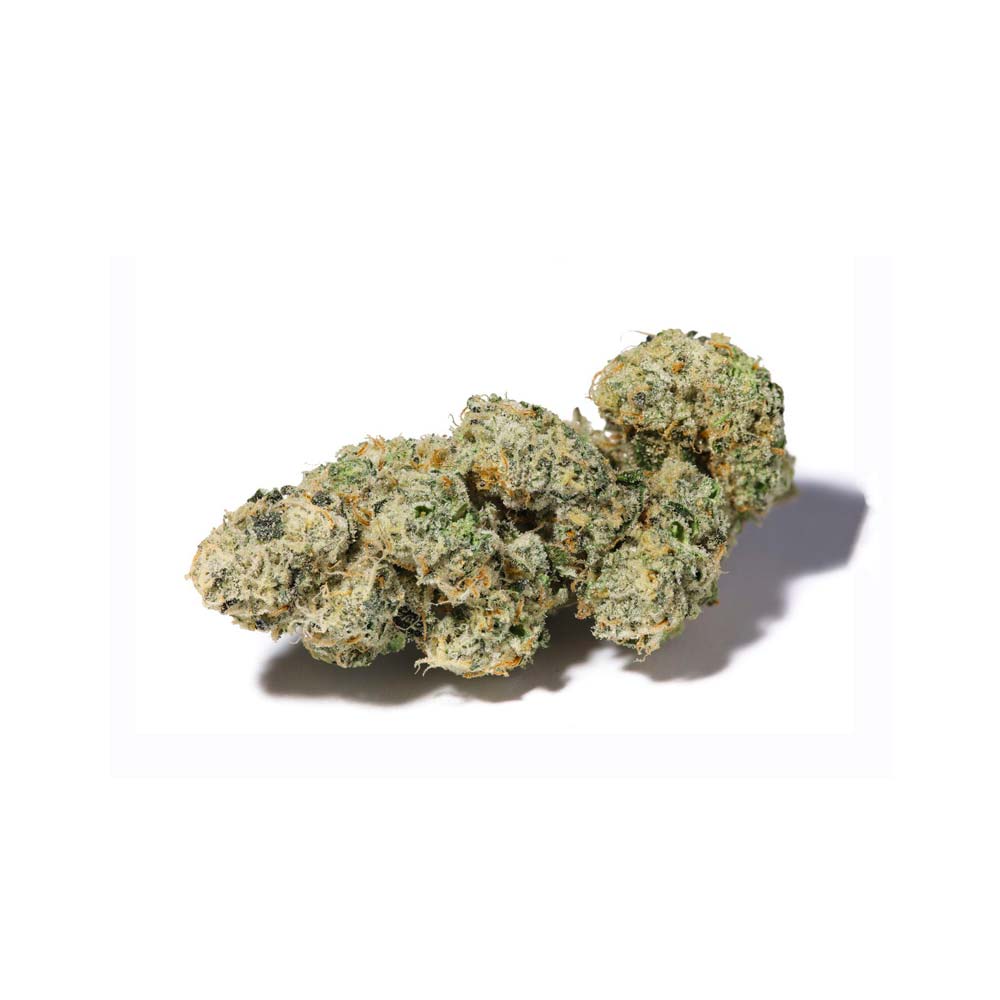
Products include oils, capsules, flower for vaporisation (rather than smoking), and sprays. Your specialist would recommend the form best suited to your needs.
Supporting a Loved One: Caregiver Considerations
If you’re caring for someone with terminal cancer, the UK permits designated caregivers to administer medical cannabis when their loved one cannot self-administer. This compassionate provision acknowledges that some end-of-life patients may lack the ability to self-medicate. Discuss this possibility with the palliative care team early if relevant to your situation.
Moving Forward with Informed Hope
Medical cannabis represents one tool within comprehensive cancer care—potentially valuable for symptom management in specific circumstances, but not a replacement for proven cancer treatments. Discussing your symptoms openly with your healthcare team, whether oncology or palliative care, remains essential. Your comfort matters deeply.
Further Reading
- Cannabis for Chemo Nausea UK
- Best Cannabis Strains for Appetite UK – Cancer Patients
- Cannabis for Nausea UK – Chemo Patients, Medical Guide
- CBDA: Raw CBD Acid – Nausea, Inflammation UK Guide