
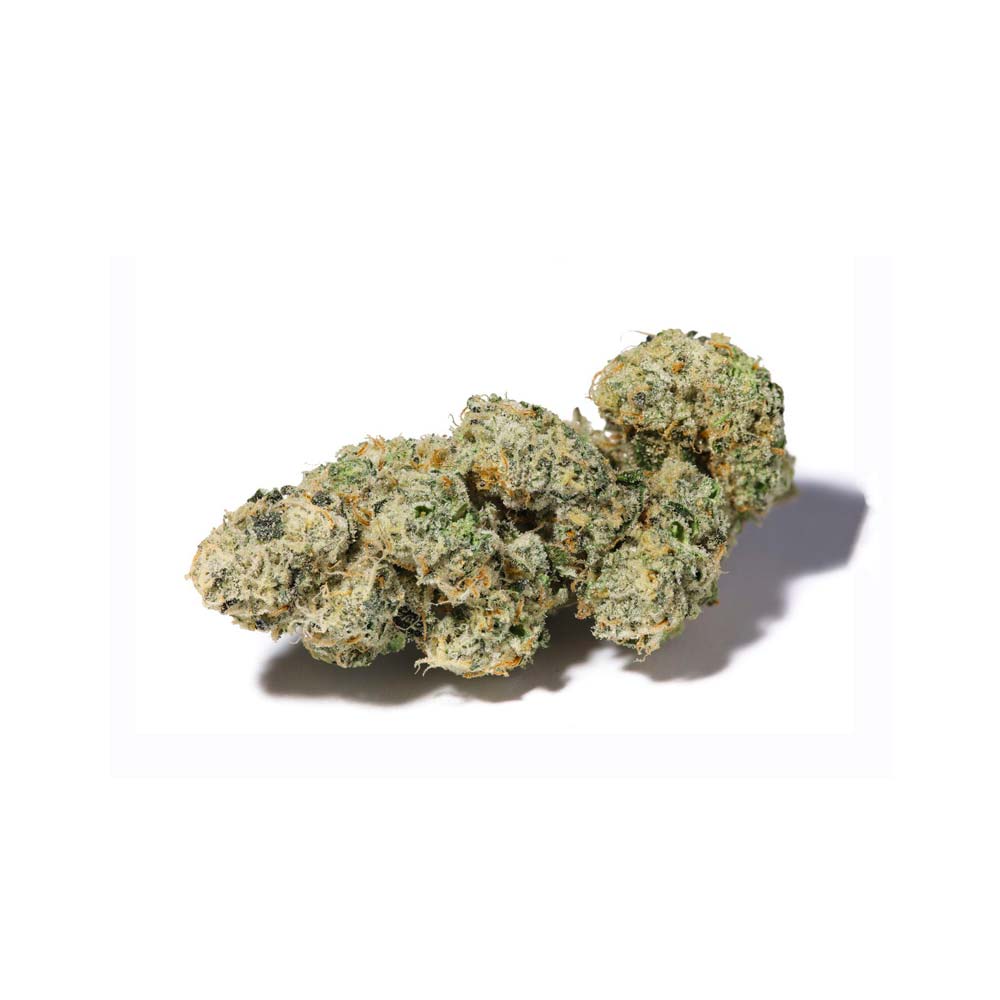
Cannabis PTSD UK: Your Complete Guide to Medical Cannabis Treatment
Post-Traumatic Stress Disorder (PTSD) affects hundreds of thousands of people across the United Kingdom. For many patients, conventional treatments prove inadequate. Medical cannabis for PTSD UK represents an increasingly viable therapeutic option. This comprehensive guide explores how to access treatment, approved strains, evidence, and real patient experiences.
PTSD as an Approved Condition in the UK
In November 2018, the UK Home Office reclassified cannabis, enabling doctors to prescribe cannabis-based medicinal products (CBMPs) for specific conditions. Post-Traumatic Stress Disorder is recognised as an approved condition for medical cannabis treatment, though access remains regulated and conditional.
The approval reflects growing clinical evidence suggesting cannabinoids, particularly CBD and THC combinations, may alleviate PTSD symptoms including nightmares, hyperarousal, flashbacks, and anxiety. However, cannabis PTSD UK treatment requires prescription from specialist doctors rather than general practitioners, distinguishing it from many other treatments.
This regulatory framework ensures patients receive quality-controlled products with consistent cannabinoid profiles, though it also means access is more limited than recreational cannabis availability in some countries. The controlled approach prioritises patient safety whilst acknowledging therapeutic potential.
How to how to get a medical cannabis prescription Medical Cannabis for PTSD
Obtaining a prescription for medical cannabis PTSD UK involves several steps. First, patients must be referred to a specialist clinic licensed to prescribe cannabis-based products. NHS referrals are possible through your GP, though many GPs lack familiarity with the process.
Alternatively, private clinics offer faster access. Reputable providers include Sapphire Medical Clinics, Cannabis Doctors UK, and others registered with the General Medical Council. Private consultations typically cost £150-300, with subsequent prescriptions ranging from £5-15 per gram, depending on strain and cannabinoid content.
During consultation, specialists assess whether conventional treatments have been exhausted. Documentation proving previous treatment attempts strengthens applications. The consultant evaluates symptom severity, medical history, and potential drug interactions. Patients with comorbid conditions like depression or anxiety often demonstrate greater treatment success.
Upon approval, prescriptions are issued through licensed pharmacies. Most suppliers require private arrangements, as NHS funding remains extremely limited. Patients must also obtain Home Office licensing for possession, a process typically handled by clinics.
Approved Cannabis Strains for PTSD Treatment
Cannabis PTSD UK prescriptions commonly feature specific strains optimised for symptom management. The most frequently recommended strains include:
Spectrum Red: Contains approximately 5% THC and 8% CBD. This high-CBD strain addresses anxiety and hyperarousal whilst minimising intoxicating effects. It’s particularly suitable for daytime use and patients sensitive to THC.
Spectrum Yellow: Offers balanced cannabinoid profiles with roughly 10% THC and 10% CBD. This equilibrium provides symptom relief whilst maintaining reasonable THC exposure, suitable for evening use.
Spectrum Green: Higher in THC (approximately 15-20%) with minimal CBD. Specialists reserve this strain for severe nightmares and sleep disturbances, typically prescribed for evening consumption.
Products available include dried flower for vaporisation, which allows rapid absorption and dose control. Oils and capsules provide alternatives for patients preferring not to inhale. Vaporisation typically delivers effects within 15-30 minutes, whilst oils take 60-120 minutes but provide longer-lasting relief.
Individual responses vary considerably. Specialists often recommend starting with lower-THC products, gradually titrating upwards as tolerance develops. This cautious approach minimises adverse effects whilst identifying optimal therapeutic doses.
Veteran Patients and Cannabis PTSD UK
Combat veterans represent a significant proportion of PTSD patients accessing medical cannabis in the UK. Military service-related trauma frequently proves resistant to conventional treatments, making cannabis PTSD UK treatment particularly valuable for this population.
Veterans often experience complex PTSD with hypervigilance, nightmares, and interpersonal difficulties. Medical cannabis addresses several symptoms simultaneously. Many veterans report improved sleep quality, reduced nightmare intensity, and enhanced emotional regulation following treatment initiation.
Organisations like Veterans Gateway and Combat Stress increasingly recognise medical cannabis as legitimate therapy. Some veteran-specific clinics prioritise cannabis PTSD UK assessments for service personnel. Additionally, several charities now fund prescriptions for eligible veterans, recognising financial barriers to access.
Veteran testimonies consistently highlight improved quality of life. Many describe cannabis PTSD UK treatment as transformative, enabling return to employment, relationships, and community engagement. However, veterans must navigate both medical requirements and potential stigma within military communities.
Evidence Supporting Medical Cannabis for PTSD
Clinical evidence for cannabis PTSD UK treatment continues expanding. Research demonstrates cannabinoids, particularly CBD, interact with brain regions involved in fear processing and emotional regulation. The amygdala, hippocampus, and prefrontal cortex all show improved function with cannabinoid exposure.
Studies indicate CBD reduces amygdala reactivity to threatening stimuli, potentially explaining symptom improvements. THC simultaneously addresses hyperarousal and sleep disturbances through effects on sleep architecture. Combined preparations leverage both cannabinoids’ therapeutic properties.
Clinical trials, whilst limited, show encouraging results. Research published in the Journal of Clinical Psychiatry demonstrates significant symptom reduction in PTSD patients using cannabis-based products. Patients report 30-50% symptom improvement on average, with some experiencing complete remission.
Furthermore, evidence suggests cannabis PTSD UK treatment enhances conventional therapies’ effectiveness. Patients receiving cognitive behavioural therapy alongside medical cannabis show superior outcomes compared to those using either treatment alone. This synergistic effect underscores combined-modality approaches.
However, limitations exist. Long-term safety data remains incomplete, particularly regarding cannabis PTSD UK use spanning years. Questions persist regarding dependency potential and optimal dosing protocols. Continued research should address these gaps, strengthening evidence bases for clinical recommendations.
Understanding Costs and Funding
Cannabis PTSD UK treatment costs represent significant barriers for many patients. Private consultation fees range from £150-400, with prescriptions costing £150-500 monthly depending on strain and consumption patterns.
NHS funding remains restricted. Generally, the NHS only funds cannabis-based products through specialist commissioners, requiring meeting strict criteria. PTSD patients rarely qualify for NHS funding, necessitating private arrangements. This creates equity concerns, as wealthier patients access treatment whilst financially disadvantaged individuals cannot.
Several options exist for reducing costs. Pharmaceutical assistance programmes occasionally provide discounted products. Certain charities fund prescriptions for qualifying patients, particularly veterans. Additionally, comparing suppliers reveals significant price variations; thorough research identifies most affordable options.
Bulk purchasing sometimes reduces per-gram costs. Some patients split prescriptions with partners or family members sharing similar conditions, though this requires careful consideration of legal and practical implications. Regardless, cannabis PTSD UK treatment remains expensive compared to conventional pharmaceuticals.
Moving Forward with Medical Cannabis
Cannabis PTSD UK represents a promising development in mental health treatment. PTSD’s approval as an indicated condition reflects recognition of treatment-resistant cases requiring novel approaches. Growing evidence supports therapeutic efficacy, though questions remain regarding optimal protocols and long-term safety.
Accessing treatment requires navigating complex medical and regulatory systems, yet increasing clinic availability simplifies the process. Veteran patients particularly benefit, with many reporting life-changing improvements following treatment initiation.
As research continues and evidence accumulates, cannabis PTSD UK treatment will likely become increasingly accessible. Potential NHS funding expansion could democratise access, benefiting countless patients currently unable to afford private prescriptions. Until then, those pursuing medical cannabis for PTSD must prepare for significant costs and regulatory requirements.
If you’re considering cannabis PTSD UK treatment, consulting specialist clinics familiar with PTSD management ensures optimal outcomes. Combined with conventional therapies and supportive services, medical cannabis offers hope for improving lives affected by this debilitating condition.
Clinical Evidence and NICE Guidance
Evidence Level: Limited to Moderate
NICE Guideline NG144 (Cannabis-based medicinal products, November 2019) acknowledges PTSD as a condition for which specialist clinicians may consider CBMPs, particularly where licensed treatments have failed. However, NICE notes the evidence base is limited and does not make a strong recommendation for routine prescribing.
A 2014 open-label pilot study in Journal of Psychoactive Drugs found significant reductions in PTSD symptom severity (CAPS scores) with nabilone. A 2020 review in Frontiers in Psychiatry found that CBD may attenuate fear memory consolidation and reduce hyperarousal. THC has shown benefit for trauma-related nightmares in small trials. The largest real-world dataset — Drug Science Project Twenty21 — found that 61% of PTSD patients reported clinically meaningful improvement in symptoms at six months. Despite these findings, no large-scale RCTs exist in UK populations, and NICE classifies this as an area requiring further research.
First-line NICE-recommended PTSD treatments remain trauma-focused CBT and EMDR (NG116). Cannabis should only be considered after these have been trialled and found inadequate.
Contraindications
- Active psychosis or schizophrenia — absolute contraindication; THC can precipitate or exacerbate psychotic symptoms, which are already elevated in severe PTSD
- Bipolar disorder with psychotic features — relative-to-absolute contraindication depending on current stability
- Pregnancy and breastfeeding — cannabinoids are contraindicated throughout; PTSD in pregnancy requires specialist obstetric psychiatry input
- Under 18 years — not licensed; developing brain risk heightened by trauma exposure already
- Under 25 years — particular caution; higher risk of cannabis use disorder in trauma-exposed younger adults
- Active suicidal ideation — cannabis does not replace crisis intervention; stabilise risk first
- Significant cardiovascular disease — THC-related tachycardia; avoid in unstable cardiac conditions
- Current alcohol or substance use disorder — PTSD is associated with high comorbid substance misuse; specialist addiction assessment required before initiating
Drug Interactions
PTSD patients frequently receive multiple psychotropic medications; clinically important interactions include:
- SSRIs (sertraline, paroxetine — NICE NG116 first-line pharmacotherapy) — CBD inhibits CYP2D6 and CYP2C19; sertraline and paroxetine plasma levels may increase; monitor for serotonin toxicity and increased side effects; dose adjustment may be required
- Prazosin (for PTSD nightmares) — additive hypotensive effects; monitor blood pressure
- Benzodiazepines — NICE NG116 advises against routine benzodiazepine use in PTSD; if prescribed, cannabis adds significant CNS depression and dependency risk
- Antipsychotics (e.g. quetiapine, olanzapine) — additive sedation and metabolic effects; if antipsychotics are prescribed for PTSD-related psychotic symptoms, THC is generally contraindicated
- Tricyclic antidepressants (e.g. amitriptyline) — additive anticholinergic effects; monitor QTc interval
- Naltrexone — used in comorbid alcohol use disorder; limited interaction data but monitor
- Warfarin — CBD-mediated CYP2C9 inhibition; monitor INR
Dosing Guidance
PTSD treatment with CBMPs requires specialist prescribing with close psychiatric monitoring:
- For nightmares and sleep disturbance: THC 1–5 mg taken 1–2 hours before bedtime; initiate at lowest dose and titrate slowly
- For daytime hyperarousal and anxiety: CBD-dominant formulation preferred; CBD 10–25 mg twice daily; add THC only if CBD alone is insufficient
- Titration: increase THC by no more than 2.5 mg per week; maximum THC 20–25 mg daily for PTSD (higher doses increase psychiatric adverse effect risk)
- Combined approach: a daytime CBD oil plus a low-THC evening product is a common prescribing pattern in UK PTSD clinics
- Monitoring: PCL-5 or CAPS symptom scale at baseline and 4-weekly; stop if no response at 8 weeks or if psychiatric symptoms worsen
Side Effects
- Psychiatric: dissociation, paranoia, and panic attacks can be worsened by THC in PTSD patients — particularly relevant given the symptom overlap; monitor closely in early weeks
- Emotional blunting: some patients report emotional numbing with regular cannabis use, which may impair engagement with trauma-focused psychotherapy
- Memory effects: THC impairs short-term memory consolidation; may interfere with trauma processing in concurrent CBT or EMDR
- Dependence and withdrawal: PTSD is an independent risk factor for cannabis use disorder; withdrawal symptoms (insomnia, irritability, anxiety) can mimic PTSD relapse
- REM suppression: THC suppresses REM sleep; while this may reduce nightmares short-term, rebound nightmares and vivid dreams occur on cessation
- Cardiovascular: tachycardia and palpitations may exacerbate hyperarousal symptoms
When Medical Cannabis Is NOT Appropriate for PTSD
- Trauma-focused CBT or EMDR has not been offered or adequately trialled (NICE NG116 first-line)
- Active psychosis, schizophrenia, or severe dissociative disorder
- Active suicidal ideation without safety planning in place
- Current alcohol or substance use disorder without specialist support
- Pregnancy or breastfeeding
- Under 18 years of age
- Prior episode of cannabis-induced psychosis or severe THC-related panic attacks
- Patient is unwilling to engage in concurrent psychological therapy — cannabis as monotherapy without psychotherapy is unlikely to achieve durable remission
Note on NHS availability: NHS prescriptions for cannabis in PTSD remain extremely rare and are not routinely commissioned. Most UK PTSD patients access CBMPs through private specialist clinics, typically at a cost of £200–500 per month. The NHS pathway for PTSD prioritises CBT and EMDR; cannabis would be considered only in exceptional treatment-resistant cases with documented failure of multiple evidence-based treatments.