
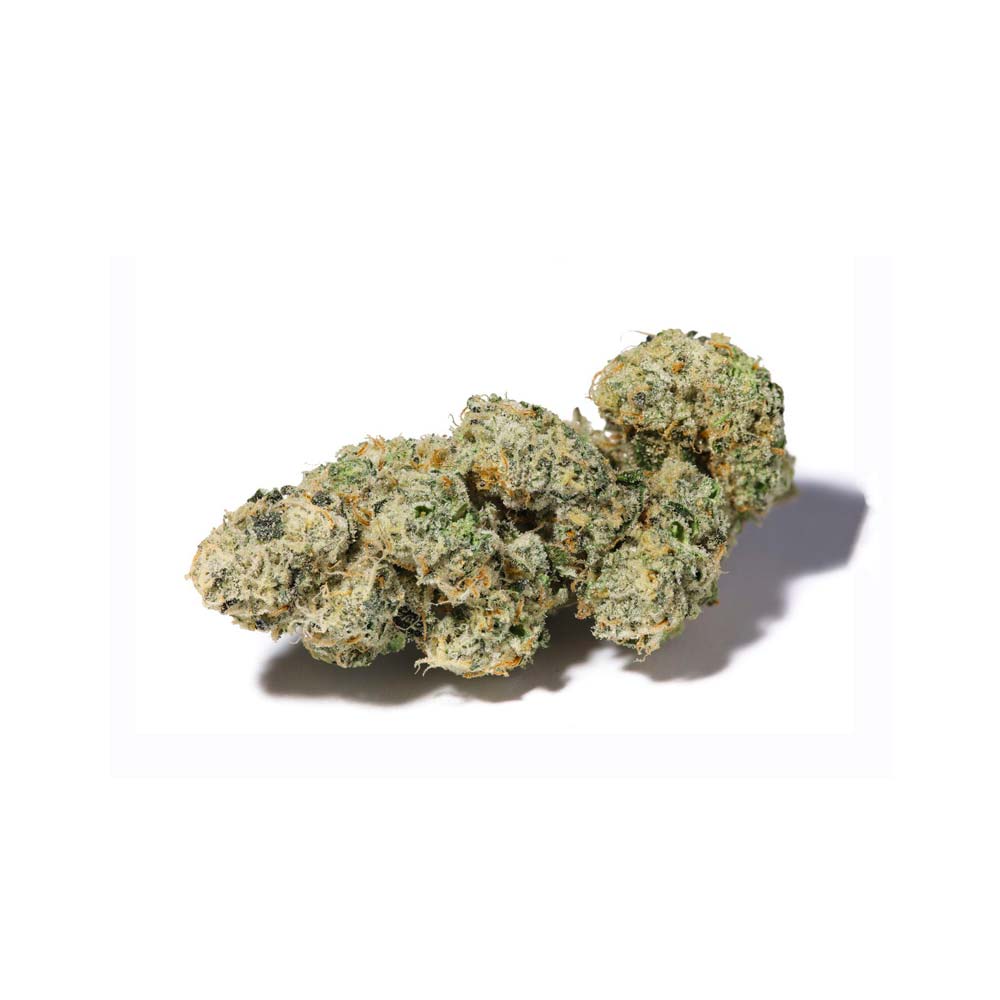
Medical Cannabis Drug Interactions Guide for the UK
Introduction
Medical cannabis has become an increasingly important therapeutic option in the UK for conditions including chronic pain, epilepsy, and chemotherapy-induced nausea. However, cannabinoids—particularly THC (tetrahydrocannabinol) and CBD (cannabidiol)—interact with numerous medications through various metabolic pathways. Understanding these interactions is essential for safe treatment.
The liver enzyme cytochrome P450, especially CYP3A4 and CYP2C9, is responsible for metabolising both cannabis and many common medications. When cannabis is present, these enzymes may become inhibited or saturated, leading to potentially dangerous interactions. This guide outlines major drug interactions that healthcare professionals and patients should be aware of.
How Cannabis Interacts with Medications
Cannabis exerts its effects through the endocannabinoid system, but cannabinoids also influence several other physiological pathways. Key mechanisms of interaction include:
- Enzyme inhibition: CBD inhibits CYP3A4 and CYP2C9, slowing the metabolism of other drugs
- Protein binding competition: Cannabinoids compete with medications for plasma protein binding sites
- CNS effects: Additive sedation or impaired cognition when combined with other central nervous system depressants
- Cardiovascular effects: Cannabis can cause tachycardia and blood pressure changes
Major Drug Interactions
Warfarin and Anticoagulants
HIGH RISK
Warfarin is a blood-thinning medication commonly prescribed for atrial fibrillation and thrombosis prevention. Cannabis poses a significant interaction risk.
- CBD inhibits CYP2C9, the primary enzyme responsible for warfarin metabolism
- Reduced warfarin clearance can lead to elevated blood levels and increased bleeding risk
- Cannabis may also have independent anticoagulant and antiplatelet properties
- Risk of serious bleeding complications including intracranial haemorrhage
SSRIs (Selective Serotonin Reuptake Inhibitors)
MODERATE RISK
SSRIs including sertraline, citalopram, fluoxetine, and paroxetine are widely prescribed for depression and anxiety.
- Both cannabis and SSRIs affect serotonin signalling, potentially increasing side effects
- Risk of serotonin syndrome, though rare—characterised by agitation, confusion, rapid heart rate, and hyperthermia
- Additive CNS effects may increase sedation and impair cognitive function
- Cannabis may reduce SSRI efficacy or worsen depression and anxiety in some individuals
Antihypertensive Medications
MODERATE RISK
Blood pressure medications including ACE inhibitors, beta-blockers, calcium channel blockers, and diuretics may interact with cannabis.
- Cannabis typically causes tachycardia and may elevate blood pressure acutely
- Chronic use may affect blood pressure stability, making management difficult
- Orthostatic hypotension (dizziness upon standing) risk is increased
- Interaction severity varies based on cannabis strain and THC/CBD ratio
Antiepileptic Drugs (AEDs)
HIGH RISK
Medications including phenytoin, carbamazepine, and levetiracetam require careful monitoring with cannabis.
- CBD may inhibit metabolism of certain AEDs, increasing serum levels and toxicity risk
- THC-rich cannabis may lower seizure threshold in some individuals
- Some AEDs induce liver enzymes that may accelerate cannabis metabolism
- Reduced seizure control is a serious concern, particularly in epilepsy patients
- Tremor, ataxia, and cognitive impairment may worsen with combined use
Opioid Medications
HIGH RISK
Opioids including morphine, codeine, oxycodone, and tramadol carry serious interaction risks with cannabis.
- Substantial additive CNS depression leading to severe sedation and respiratory depression
- Increased overdose risk and potential fatal respiratory failure
- Impaired judgement and coordination, increasing accident risk
- Cannabis may increase opioid concentrations through enzyme inhibition
- Enhanced analgesic effect may allow opioid dose reduction but requires medical supervision
Benzodiazepines
HIGH RISK
Benzodiazepines including diazepam, lorazepam, and alprazolam present serious interaction risks.
- Severe additive CNS depression causing profound sedation
- Significant respiratory depression risk, particularly in elderly patients
- Marked impairment of cognitive function, memory, and motor control
- Increased fall risk and accident-related injuries
- Potential for dangerous behaviour or loss of consciousness
General Safety Recommendations
- Always disclose cannabis use to all healthcare providers
- Obtain specialist approval before starting medical cannabis if taking multiple medications
- Avoid driving or operating machinery after cannabis use
- Start with low doses and titrate slowly to assess tolerance
- Request dosing adjustments for concomitant medications if necessary
- Attend regular follow-up appointments for monitoring and dose optimisation
- Report any adverse effects or unusual symptoms immediately
- Maintain updated medication records including herbal products and supplements
Conclusion
Medical cannabis represents a valuable therapeutic option for eligible UK patients, but significant drug interaction risks demand careful prescribing and monitoring. Anticoagulants, epilepsy drugs, opioids, and benzodiazepines pose the greatest risks. Patients and healthcare professionals must maintain open communication, ensure comprehensive medication reviews, and implement appropriate monitoring strategies. With proper medical supervision and attention to these interactions, medical cannabis can be used safely and effectively as part of comprehensive treatment plans.
Further Reading
- Medical Cannabis UK — Complete Guide
- Gorilla Glue #4 Strain — Effects, THC 25%+, UK Guide
- Medical Cannabis Manchester — Clinics, Prescriptions, Guide
- Cannabis for MS UK — Sativex, Medical Cannabis, Guide