
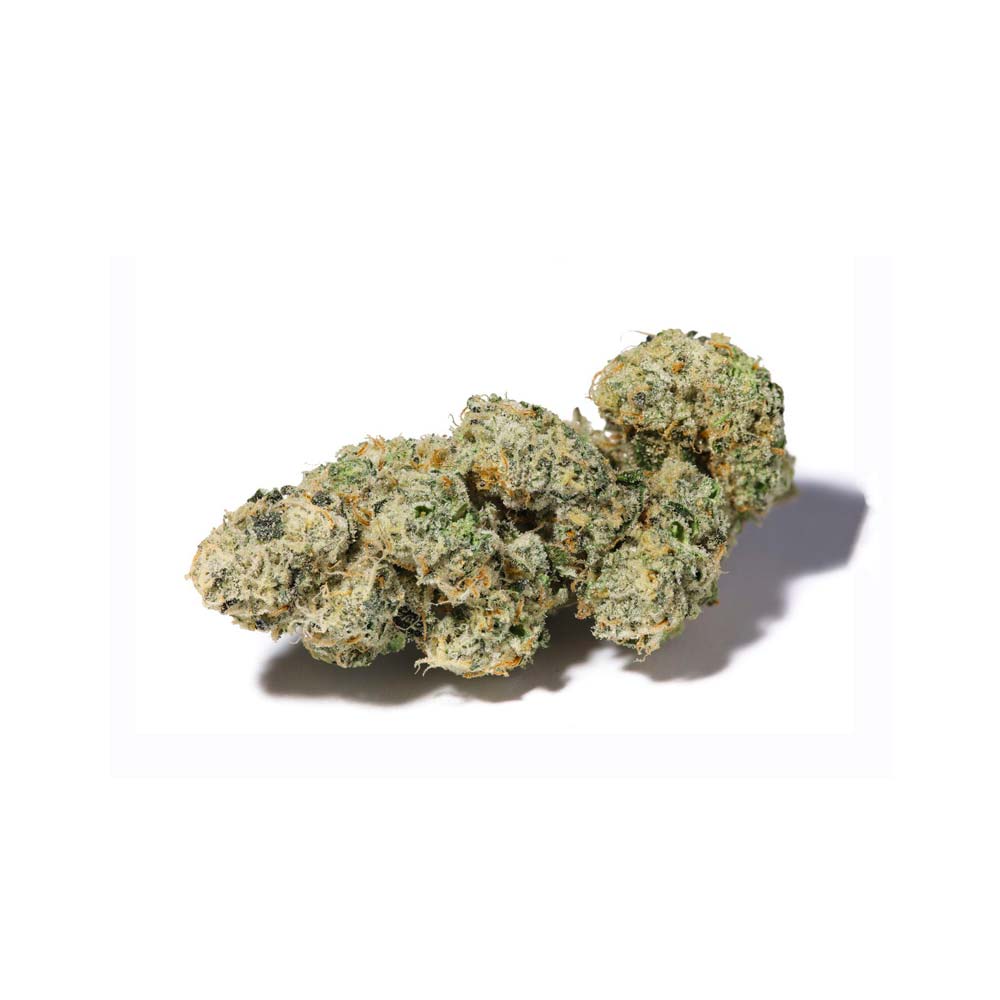
Comprehensive UK Medical Cannabis Guide 2024
Introduction: UK Legal History Since 2018
Medical cannabis became legal in the United Kingdom on 1 November 2018, following a change in the Misuse of Drugs Regulations 1971. This historic decision was prompted by high-profile cases, including that of Billy Caldwell and Alfie Dingley, young children who benefited from cannabis-based medicinal products for severe epilepsy.
Prior to this date, cannabis was classified as a Schedule 1 substance with no recognised medical value. The 2018 reclassification moved cannabis derivatives to Schedule 2, allowing registered doctors to prescribe cannabis-based products to patients where other treatments had failed.
- Medical cannabis is prescribed through the NHS or private clinics
- Only cannabis-based medicinal products (CBMPs) are legal
- Possession without a valid prescription remains illegal
- Patients must have exhausted conventional treatments first
- Prescription must be issued by a registered medical practitioner
- Currently, no products are licensed by the MHRA (Medicines and Healthcare products Regulatory Agency), so all prescriptions are off-licence
Who Qualifies: Full Conditions List with Evidence Levels
Medical cannabis can only be prescribed in the UK for specific conditions where conventional treatments have proven ineffective or inappropriate. The evidence base varies considerably across different conditions.
| Condition | Evidence Level | Typical Symptoms Treated | Usually Requires Failed Treatments |
|---|---|---|---|
| Refractory Epilepsy | Strong (Grade A) | Uncontrolled seizures, status epilepticus | 2+ anti-epileptic drugs |
| Multiple Sclerosis (MS) | Moderate (Grade B) | Spasticity, muscle rigidity, pain | Standard MS therapies |
| Chronic Neuropathic Pain | Moderate (Grade B) | Nerve pain, post-injury pain, chemotherapy neuropathy | Conventional pain management |
| Cancer-Related Pain | Moderate (Grade B) | Pain, nausea, loss of appetite | Standard oncology treatments |
| PTSD (Post-Traumatic Stress Disorder) | Emerging (Grade C) | Nightmares, anxiety, hypervigilance | Psychological therapy, SSRIs |
| Chemotherapy-Induced Nausea/Vomiting | Moderate (Grade B) | Nausea, vomiting, appetite loss | Standard antiemetics |
| Crohn’s Disease | Emerging (Grade C) | Abdominal pain, inflammation, diarrhoea | Standard IBD treatments |
| Fibromyalgia | Emerging (Grade C) | Widespread pain, fatigue, sleep disturbance | Standard pain management |
| Anxiety Disorders | Emerging (Grade C) | Generalised anxiety, panic attacks | SSRIs, psychological therapy |
| Intractable Migraine | Emerging (Grade C) | Frequent migraines, preventative failure | Prophylactic medications |
How to Access Medical Cannabis: Step-by-Step Guide
Step 1: Confirm Your Eligibility
Review the conditions list above and verify that your condition matches qualifying criteria. Gather documentation of previous treatment attempts, including medication names, dosages, duration, and reasons for discontinuation.
Step 2: Choose Your Route
NHS Route (Limited Availability):
- Referral typically through specialist consultants only (neurologists, oncologists, gastroenterologists)
- GPs cannot directly prescribe on NHS
- Most NHS trusts have not implemented prescribing pathways
- Waiting times can exceed 12 months in some regions
- Currently only refractory epilepsy has established NHS pathways
Private Route (More Accessible):
- Direct access without NHS referral requirement
- Initial consultation with specialised clinic within 2-4 weeks typically
- More flexible condition assessment criteria
- Prescription issued privately
Step 3: Select a Clinic
See the clinic comparison table below for major providers. Most charge £100-150 for initial consultations and £50-100 for follow-ups.
Step 4: Initial Consultation
- Provide complete medical history
- Submit documentation of previous treatments
- Attend video or in-person appointment with doctor
- Doctor may request additional medical records from your GP
- Expect discussion of side effects, drug interactions, and monitoring requirements
Step 5: Treatment Plan Development
If approved, your doctor will:
- Select appropriate cannabis product (CBD-dominant, THC-dominant, or balanced)
- Determine starting dosage
- Establish titration schedule (gradual dose increases)
- Set follow-up appointment timescale (typically 2-4 weeks)
Step 6: Prescription and Pharmacy Arrangement
- Clinic issues prescription to contracted pharmacy
- Pharmacy prepares medication (may require special ordering)
- Delivery arranged to your home or clinic collection available
- First delivery typically within 5-10 business days
Step 7: Ongoing Monitoring
- Regular follow-up appointments every 4-8 weeks initially
- Dose adjustments based on therapeutic response and side effects
- Periodic blood tests may be required
- Annual review appointments standard practice
Clinic Comparison Table
| Clinic | Initial Consultation | Follow-up Cost | Speed of Access | Specialties | Product Range |
|---|---|---|---|---|---|
| Lyphe Group | £100-150 | £70-100 | 2-3 weeks | Neurological, pain, MS, oncology | 10+ products, flower, oils, capsules |
| Releaf | £125 | £75 | 1-2 weeks | Broad spectrum, including PTSD | 8+ products, comprehensive range |
| Mamedica | £120 | £80 | 2-3 weeks | Pain, anxiety, chronic conditions | 6+ products, oils predominantly |
| Curaleaf | £130 | £85 | 2-4 weeks | Epilepsy, pain, neurological | 12+ products, premium range |
| Sapphire Medical | £140 | £90 | 3-4 weeks | Specialist neurology, epilepsy | 7+ products, clinical focus |
| Dispensary Green | £110 | £75 | 2-3 weeks | Broad spectrum, affordability focus | 5+ products, budget-friendly |
Costs: Full Breakdown
| Cost Component | Typical Range | Notes |
|---|---|---|
| Initial Consultation | £100-150 | Video or in-person; some clinics offer lower rates for financial hardship |
| Follow-up Consultation (4-8 weekly) | £50-100 | Usually shorter; sometimes included in initial package |
| Annual Review | £80-120 | Comprehensive reassessment required annually |
| Cannabis Flower (10g) | £50-80 | Medical grade; price varies by strain and THC:CBD ratio |
| Cannabis Oil (10ml bottle) | £40-90 | Concentration-dependent; 1000mg-2000mg CBD common |
| Capsules (30 capsules) | £35-75 | Consistent dosing; convenient for travel |
| Dried Flower Monthly (30g) | £150-240 | Typical patient usage; varies with condition severity |
| Oil Monthly (30ml) | £120-270 | Most popular format; includes consultation |
| Blood Tests (when required) | £50-150 | Baseline and annual monitoring; clinic dependent |
| Pharmacy Handling/Delivery | £10-25 | Usually included; charged separately by some pharmacies |
| Annual Total (typical patient) | £1,200-2,500 | Includes consultations, medication, monitoring |
- Some clinics offer package rates for multiple consultations
- Direct cannabis costs often lower than equivalent pharmaceutical alternatives
- Charitable organisations provide limited financial assistance
- NHS prescriptions (when available) are charged at standard prescription rate (£9.90 in England)
- Consider membership schemes offered by some clinics for regular patients
Products Available
Product Types and Formats
| Product Type | Typical THC:CBD Ratio | Onset Time | Duration | Best For |
|---|---|---|---|---|
| Dried Flower (whole plant cannabis) | Variable (1:1 to 20:1) | 5-15 minutes (vaporised) | 2-4 hours | Pain, nausea, spasticity; flexible dosing |
| Cannabis Oil (sublingual drops) | Typically CBD or balanced | 20-30 minutes | 4-8 hours | Anxiety, chronic pain, PTSD; convenient |
| Capsules (gelatin or vegan) | Consistent dosing (10-20mg typical) | 30-60 minutes | 6-10 hours | Travel, discretion, consistent dosing |
| Distillate Syringes | Pure cannabinoids (95%+) | 5-30 minutes (route dependent) | 2-8 hours | Severe symptoms, high-dose patients |
| Transdermal Patches | CBD or balanced | Slow release (2-4 hours to peak) | 12-24 hours | Constant symptom management, pain |
| Edibles (chocolates, gummies) | Variable dosing | 60-120 minutes | 8-12 hours | Palatability, long-lasting relief |
Specific Products Available on UK Market (Examples)
- Nabilone (Cesamet): Synthetic cannabinoid; oral capsule; primarily for chemotherapy nausea
- Sativex (Nabiximols): Oromucosal spray; balanced THC:CBD; primarily for MS spasticity
- Adven FL (various strains): Dried flower; THC-dominant varieties; prescribed for pain and spasticity
- Bedrocan FLOS: Low-THC, high-CBD flower; neuropathic pain, anxiety
- Tilray Products: Range including high-CBD oils, flowers, and capsules
- Khiron Products: Full-spectrum oils, flowers, paste formats
- Grow Pharma Products: Various formulations including medicinal cannabis flowers
Dosing Overview
| Condition | Typical Starting Dose | Typical Maintenance Dose | Titration Approach |
|---|---|---|---|
| Epilepsy (Refractory) | CBD 2-5mg/kg daily | 5-20mg/kg daily | Slow titration; increase every 3-5 days |
| MS Spasticity | 2.7mg THC + 2.5mg CBD twice daily (if using Sativex) | 5-12 sprays daily (5.4-32.4mg THC:CBD) | Gradual increases; monitor effect |
| Chronic Pain | 5-10mg THC or CBD equivalent | 15-30mg daily (divided doses) | Start low, go slow; increase weekly |
| Anxiety/PTSD | CBD 5-10mg daily | CBD 20-40mg daily | Slow increases; CBD typically without THC |
| Cancer-Related Nausea | 5mg THC as needed | 2.5-20mg THC daily or PRN | As-needed dosing initially; stabilise if frequent |
| Fibromyalgia | Balanced formula 5mg total cannabinoids | 10-30mg total cannabinoids daily | Gradual increases; monitor sleep and pain |
- Individual responses vary considerably; personalised titration essential
- CBD has a high safety margin; overdose unlikely
- THC dosing requires more careful titration to avoid unwanted psychoactive effects
- Body weight, metabolism, and previous cannabis exposure affect dosing
- Effects may develop over weeks; patience required during titration phase
- Maintaining consistent dosing time improves therapeutic outcomes
Patient Rights and Responsibilities
Your Rights as a Medical Cannabis Patient
- Right to Information: Full disclosure of potential side effects, contraindications, and drug interactions before starting treatment
Further Reading