
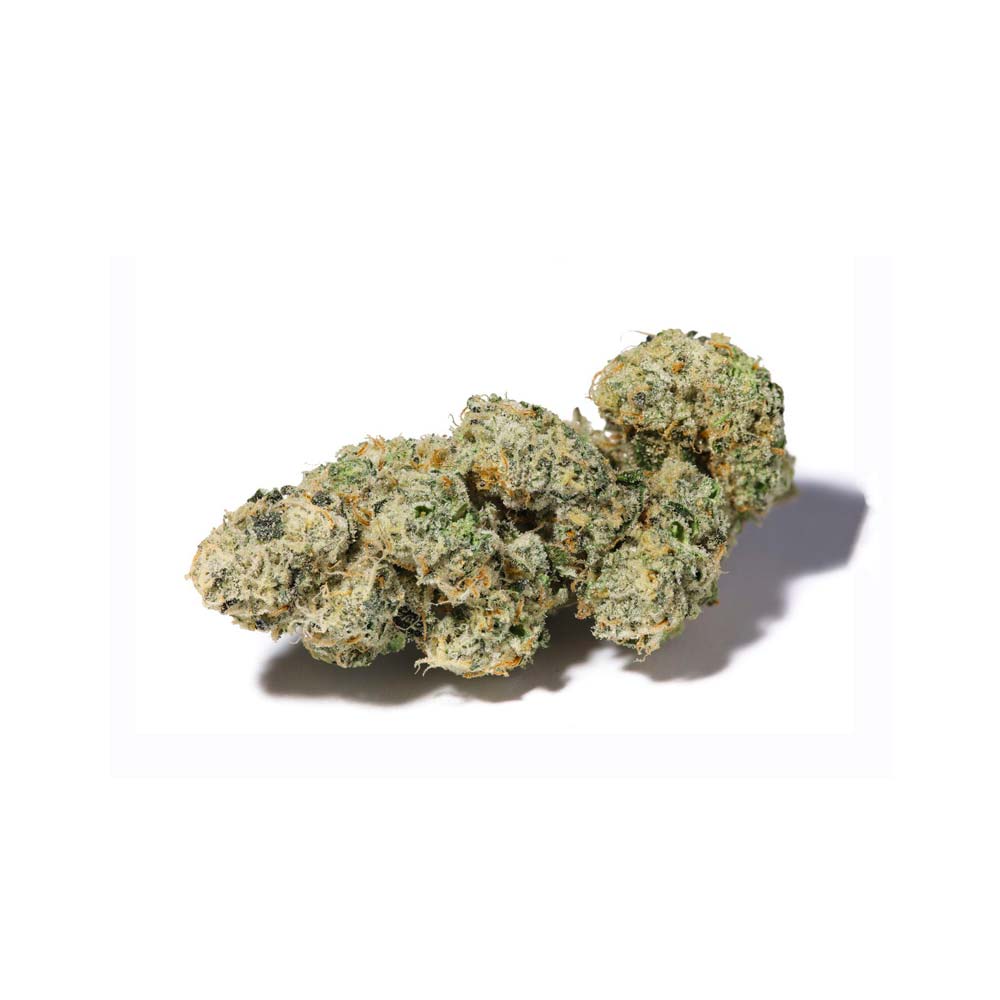
CBD and Drug Testing in the UK: A Comprehensive Guide
Understanding CBD Legal Status in the UK
Cannabidiol (CBD) is a non-intoxicating compound derived from cannabis or hemp plants. In the United Kingdom, CBD products are legal provided they contain no more than 0.2% THC (tetrahydrocannabinol), the psychoactive component in cannabis. This legal threshold is significantly lower than in many other countries, reflecting the UK’s stringent regulations on controlled substances.
Despite CBD’s legal status, individuals taking CBD products may still be subject to drug testing in various contexts, including employment, professional licensing, and competitive sport. This creates a potential issue: whilst CBD itself is legal, some CBD products contain trace amounts of THC that could register on drug tests, potentially creating complications for users.
Which Drug Tests Detect CBD?
Most standard UK drug tests do not specifically detect CBD. The majority of employment and workplace drug tests utilise immunoassay technology designed to detect THC metabolites, not CBD itself. However, this distinction is crucial:
Standard Screening Tests
- Immunoassay tests: These are the most common workplace screening tests. They look for THC metabolites (specifically 11-COOH-THC) and will not trigger a positive result from CBD alone
- Saliva tests: Typically used for roadside drug testing by police, these detect active THC rather than inactive metabolites, and do not detect CBD
- Hair tests: These measure metabolites over an extended period and will not detect CBD specifically
False Positives from Full-Spectrum CBD Products
Full-spectrum CBD products contain all compounds naturally present in the cannabis plant, including cannabinoids, terpenes, flavonoids, and trace amounts of THC. This is where the drug testing concern primarily originates.
The Risk with Full-Spectrum Products
Whilst UK regulations limit CBD products to 0.2% THC maximum, consuming significant quantities of full-spectrum CBD products could theoretically deliver enough THC to trigger a drug test positive result. For example, consuming 1000mg of full-spectrum CBD product containing the legal maximum 0.2% THC would deliver 2mg of THC—an amount that could potentially accumulate with regular use.
Additionally, poorly manufactured or unregulated products may exceed the legal THC limit, dramatically increasing this risk. Users with sensitive employment situations or those subject to regular drug testing should exercise caution with full-spectrum products.
Documented Cases
Several high-profile cases have emerged globally of individuals testing positive for THC after consuming full-spectrum CBD products. Whilst UK workplace drug testing policies vary, the safest approach is understanding your product’s contents and your employer’s policies.
Safest CBD Products: Isolate versus Broad Spectrum
| Product Type | Composition | Drug Test Risk | Effectiveness |
|---|---|---|---|
| CBD Isolate | Pure CBD only (99%+ pure) | Minimal risk | Good for targeted CBD benefits |
| Broad-Spectrum | Multiple cannabinoids with THC removed | Very low risk | Potential entourage effect without THC |
| Full-Spectrum | All plant compounds including trace THC | Higher cumulative risk | Maximum entourage effect |
CBD Isolate Products
CBD isolate represents the safest option for individuals concerned about drug testing. These products contain only isolated CBD with no other cannabinoids or plant compounds. They are produced through extraction and purification processes that remove all other compounds, leaving 99%+ pure CBD. The drug test risk from isolate products is virtually non-existent since no THC is present.
Broad-Spectrum Products
Broad-spectrum CBD products offer a middle ground. These products contain multiple cannabinoids and beneficial compounds but have undergone processing to remove THC specifically. They provide some of the “entourage effect” (the synergistic benefits of multiple cannabinoids) whilst maintaining extremely low THC content. The drug test risk from broad-spectrum products is minimal, though never entirely zero depending on manufacturing standards.
Employer Rights and Drug Testing Policies
UK employers have significant rights regarding workplace drug testing, though they must operate within legal frameworks protecting employee privacy and fairness.
Legal Framework
- Employers can implement drug testing policies as part of health and safety regulations, particularly in safety-sensitive roles
- Mandatory drug testing requires employee consent, though employment contracts may include consent clauses
- Random testing must be clearly outlined in company policy
- Testing must be conducted professionally by certified laboratories
- Employees have rights to confirmation testing if initial results are positive
CBD-Specific Considerations
Currently, the UK has no specific legal protections for CBD users in employment contexts. If an employee tests positive for THC—regardless of whether it derives from CBD product use—they could face disciplinary action. The burden typically falls on the employee to demonstrate that the positive result came from lawful CBD use rather than illegal cannabis consumption.
How Long Does CBD Remain in Your System?
CBD’s presence in the system varies based on several factors:
Elimination Timeframe
- Single dose: CBD typically remains detectable in blood for 24-48 hours following a single dose
- Regular use: With daily consumption, CBD can accumulate in fatty tissues, extending detection to several days or weeks after discontinuation
- Hair tests: Like THC, CBD metabolites can be detected in hair for up to 90 days after consumption
- Saliva: CBD is generally not detectable in saliva beyond a few hours
Factors Affecting Duration
- Dosage and frequency of use
- Individual metabolism rates
- Body composition (CBD is fat-soluble)
- Type of CBD product consumed
- Whether consumed with fatty foods (increases absorption)
Practical Recommendations for CBD Users
- Choose CBD isolate or broad-spectrum products if drug testing is a concern
- Purchase only from reputable suppliers providing third-party testing certificates (CoA)
- Verify products are registered with the Food Standards Agency (FSA) if making health claims
- Keep documentation of your CBD products’ THC content and supplier information
- Inform your employer or relevant authority about CBD use if you’re subject to testing
- Request confirmation testing (GC-MS) rather than initial immunoassay if you test positive
- Consider discontinuing CBD use at least 48 hours before drug testing if full-spectrum products are used
Conclusion
CBD’s legal status in the UK does not automatically protect users from drug testing complications, particularly with full-spectrum products containing trace THC. By understanding the differences between product types, choosing isolate or broad-spectrum options, and maintaining transparency with employers, users can safely incorporate CBD into their wellness routines whilst minimising drug testing risks. Always prioritise purchasing from reputable suppliers and maintaining clear documentation of product contents.