
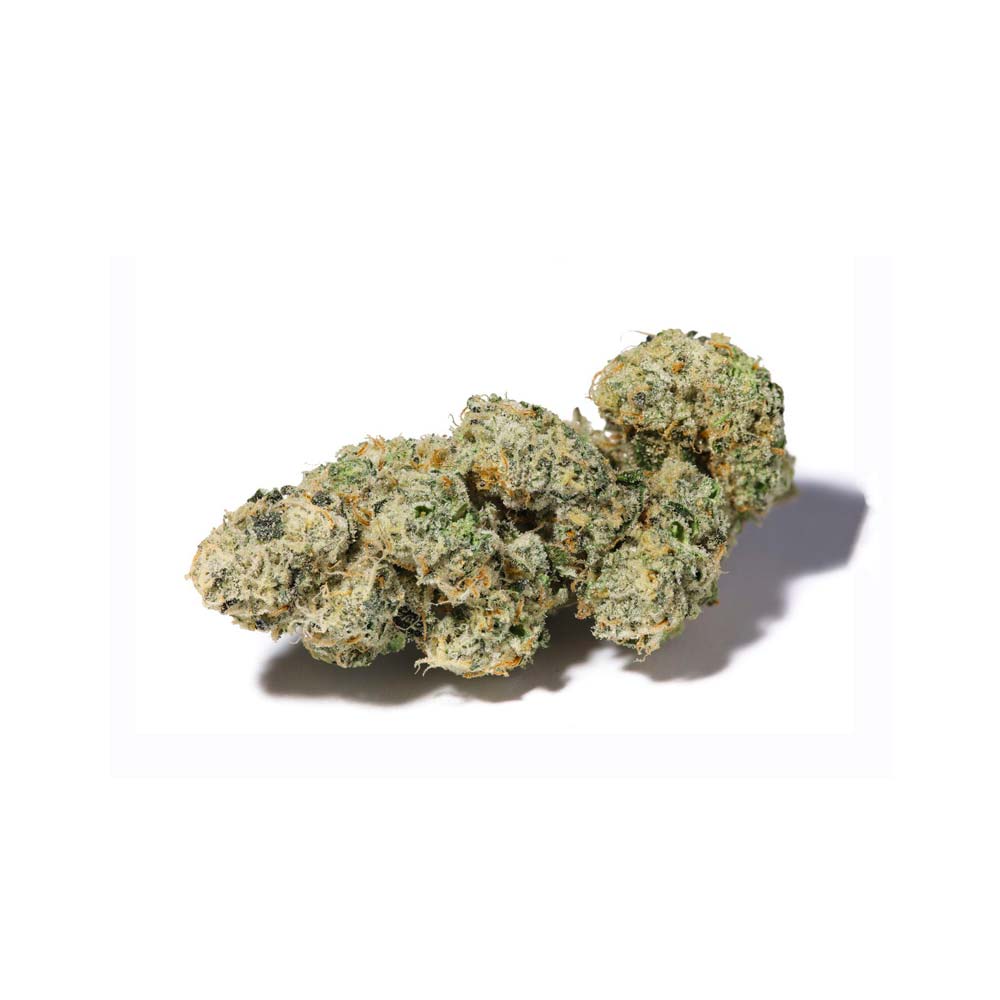
Medical Cannabis for Arthritis in the UK
Arthritis affects millions of people across the United Kingdom, causing chronic pain, inflammation and mobility problems that significantly impact quality of life. In recent years, medical cannabis has emerged as a potential therapeutic option for arthritis sufferers, though its use remains controversial and tightly regulated within the NHS. Understanding how cannabis may benefit arthritis patients, alongside the current regulatory landscape, is essential for those considering this treatment path.
Understanding Arthritis Types
The two most common forms of arthritis are osteoarthritis (OA) and rheumatoid arthritis (RA). Osteoarthritis is a degenerative condition where cartilage breaks down over time, primarily affecting weight-bearing joints like knees, hips and ankles. It typically develops gradually with age and affects approximately 8.75 million people in the UK.
Rheumatoid arthritis is an autoimmune disorder where the body’s immune system mistakenly attacks joint linings, causing inflammation, pain and progressive joint damage. RA affects roughly 400,000 UK residents and often requires aggressive treatment to prevent permanent joint deterioration. Both conditions can cause debilitating pain and reduced function, necessitating comprehensive treatment strategies.
How Cannabis Works in Arthritis
The human body contains cannabinoid receptors throughout the nervous and immune systems, with CB2 receptors particularly concentrated in joint tissues and immune cells. When cannabinoids like CBD and THC interact with these receptors, they may reduce inflammatory responses and dampen pain signalling mechanisms.
Cannabis demonstrates multiple mechanisms beneficial for arthritis. Its anti-inflammatory properties help suppress the excessive immune responses characteristic of RA, whilst its analgesic effects provide pain relief independent of inflammation reduction. Additionally, cannabinoids may promote better sleep quality, helping arthritis patients who suffer sleep disruption from chronic pain.
CBD Topical Applications for Joint Pain
Topical CBD products offer a non-systemic approach particularly appealing to arthritis patients. CBD creams, balms and oils applied directly to affected joints provide localised anti-inflammatory and analgesic effects without producing psychoactive effects or systemic absorption concerns. Many arthritis sufferers report improved pain relief and reduced stiffness when using quality CBD topicals alongside other treatments.
The advantage of topical CBD lies in minimal side effects and direct targeting of problem areas. However, whilst anecdotal evidence is substantial, clinical evidence for topical CBD specifically in arthritis remains limited, though several small studies show promising results for inflammation and pain reduction.
Systemic Cannabis for Severe Arthritis
For patients with severe arthritis inadequately controlled by conventional treatments, systemic cannabis—including both CBD-dominant and balanced CBD:THC products—may be considered. Oral cannabis preparations, sublingual sprays and inhaled cannabis can provide whole-body anti-inflammatory effects, addressing pain and reducing disease activity in ways topical treatments cannot.
THC-containing products may offer additional benefits including muscle relaxation and improved sleep, though psychoactive effects and legal restrictions limit their use. CBD-dominant products provide therapeutic benefits with minimal psychoactive effects, making them more accessible to many patients.
NHS and Arthritis UK Position
Medical cannabis remains highly restricted within NHS provision. Since November 2018, doctors can legally prescribe cannabis-based products for patients where conventional treatments have failed, but prescriptions are extraordinarily rare. The NHS position reflects limited clinical evidence specifically in arthritis and concerns regarding long-term safety data.
Arthritis UK acknowledges the growing interest in cannabis but emphasises that current evidence doesn’t justify widespread recommendation. The organisation calls for further research whilst acknowledging that some patients report subjective improvements. They advise patients to discuss any cannabis use with their healthcare team, particularly regarding interactions with existing arthritis medications.
Evidence Base and Research
Scientific evidence for cannabis in arthritis, whilst encouraging, remains preliminary. Laboratory studies demonstrate cannabinoids suppress inflammatory cytokines and reduce cartilage degradation. Small human trials show improvements in pain, disease activity and sleep in both OA and RA patients, but large, rigorous randomised controlled trials are lacking.
The evidence base is stronger for general chronic pain than specifically for arthritis. Most research has evaluated CBD and THC individually rather than whole-plant products, and long-term safety data in arthritis populations is limited. The Cochrane Library currently identifies insufficient evidence to recommend cannabis for rheumatoid arthritis, though this may change as research expands.
Obtaining a Prescription
NHS cannabis prescriptions for arthritis are exceptionally difficult to obtain. Patients must have failed multiple conventional treatments and be under specialist care. Most arthritis patients seeking medical cannabis access private clinics, which can be expensive. Private prescription costs typically range from £300-£500 monthly for cannabis products.
Products Arthritis Patients Use
Arthritis patients utilise various cannabis products including CBD oils and tinctures, topical creams, capsules and whole-plant cannabis medicines. Many combine topical CBD with oral CBD products for comprehensive coverage. Quality and product consistency vary considerably in the unregulated market, making sourcing from reputable providers essential.
Combining with Conventional Treatments
Cannabis should complement rather than replace established arthritis treatments like DMARDs, NSAIDs and biologics. Patients must inform rheumatologists about cannabis use due to potential drug interactions. Some evidence suggests cannabis may allow reduction in conventional medication doses, though this requires medical supervision.
Medical cannabis represents a promising supplementary option for selected arthritis patients, particularly those inadequately controlled by conventional treatments or experiencing significant medication side effects. However, patients should approach cannabis for arthritis with realistic expectations, understanding that whilst subjective improvements are commonly reported, robust clinical evidence remains limited.