
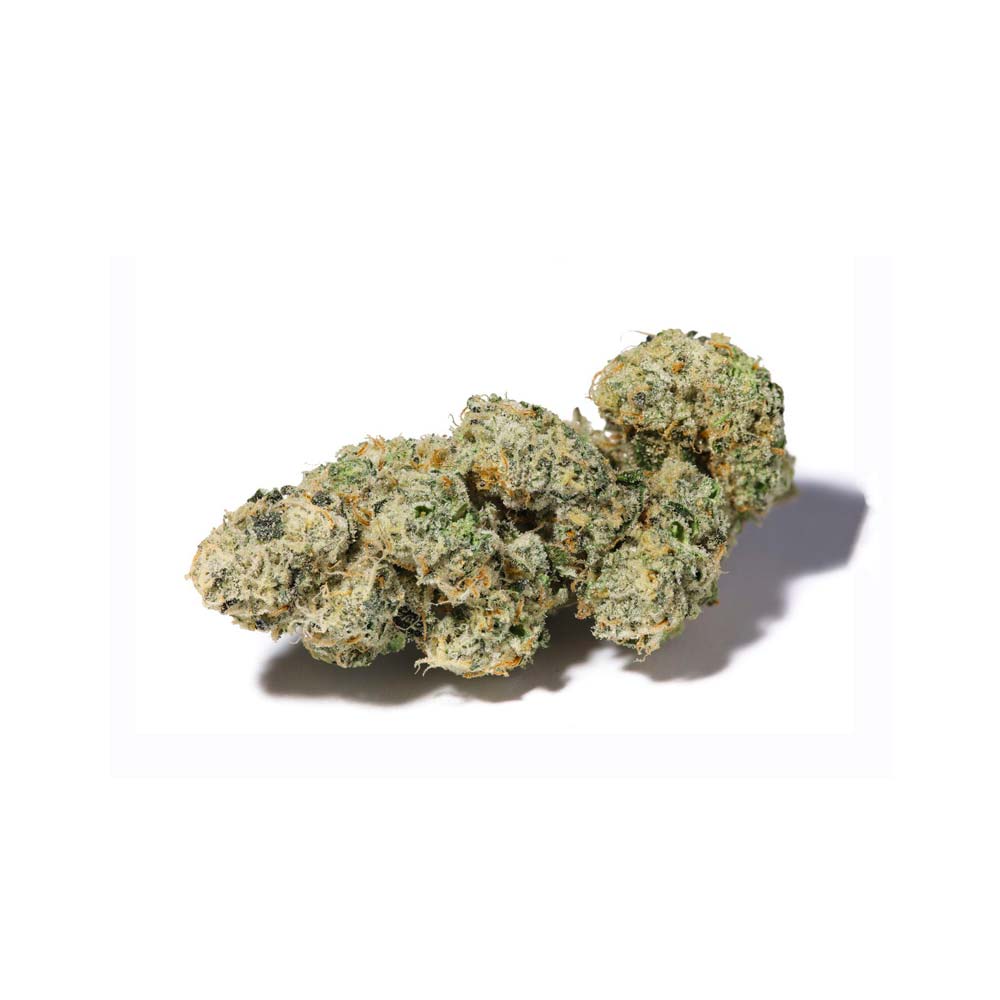
Medical Cannabis for Joint Pain in the UK: A Comprehensive Guide
Introduction to Medical Cannabis and Joint Pain
Medical cannabis has emerged as a potential therapeutic option for managing chronic joint pain in the United Kingdom. Since the reclassification of cannabis as a Schedule 2 medication in November 2018, healthcare professionals have been permitted to prescribe cannabis-based medicinal products to patients with specific conditions. Joint pain, particularly related to rheumatoid arthritis (RA) and osteoarthritis (OA), represents one of the most common indications for which patients seek medical cannabis treatment. This guide explores the evidence, available formulations, and practical information regarding accessing medical cannabis for joint pain management in the UK.
Understanding Rheumatoid Arthritis and Medical Cannabis
Rheumatoid arthritis is an autoimmune condition causing chronic inflammation of the joints, leading to pain, swelling, and reduced mobility. The condition affects approximately 400,000 people in the UK and can significantly impact quality of life. Medical cannabis may offer benefits for RA through its immunomodulatory and anti-inflammatory properties. Cannabinoids, particularly cannabidiol (CBD) and tetrahydrocannabinol (THC), interact with the endocannabinoid system, which plays a role in immune regulation and inflammatory responses. Some patients report reduced pain intensity and improved sleep quality when using medical cannabis alongside conventional disease-modifying antirheumatic drugs (DMARDs). However, medical cannabis should not replace established RA treatments but rather complement them as part of a comprehensive pain management strategy.
Osteoarthritis Management with Medical Cannabis
Osteoarthritis represents the most prevalent form of arthritis in the UK, affecting over 8 million people. This degenerative joint condition develops when protective cartilage wears down, resulting in bone-to-bone contact and chronic pain. Unlike rheumatoid arthritis, osteoarthritis is not primarily inflammatory, though inflammation does occur. Medical cannabis may benefit OA patients through pain reduction and potential neuroprotective effects. The analgesic properties of cannabinoids help alleviate chronic pain that may not respond adequately to conventional analgesics. Additionally, some research suggests that cannabinoids might slow cartilage degradation, though more evidence is required. For many UK patients, medical cannabis offers an alternative to escalating opioid doses or stronger pharmaceutical interventions with unwanted side effects.
Current Scientific Evidence
The evidence base for medical cannabis in joint pain management continues to develop. Numerous preclinical studies demonstrate that cannabinoids possess anti-inflammatory and analgesic properties relevant to arthritis conditions. Clinical trials specifically investigating cannabis for rheumatoid arthritis and osteoarthritis remain limited in the UK context. However, systematic reviews indicate promising results from small-scale studies, with patients reporting pain reduction, improved sleep, and decreased morning stiffness. A 2020 review in Current Rheumatology Reports highlighted that CBD shows particular promise for managing joint pain and inflammation. The UK’s National Institute for Health and Care Excellence (NICE) has acknowledged the potential role of medical cannabis in chronic pain management, though it recommends further research to establish optimal dosing and patient selection criteria. Healthcare providers should base decisions on individual patient circumstances and the growing body of real-world evidence.
Topical Cannabis Products for Joint Pain
Topical cannabis formulations offer localised pain relief without systemic absorption, making them an attractive option for joint pain management. These products include creams, balms, oils, and patches applied directly to affected joints. Topical cannabinoids penetrate the skin to reach underlying tissues and joint structures, providing targeted anti-inflammatory and analgesic effects. CBD-dominant topicals are particularly popular due to the absence of psychoactive effects. Many UK patients find topical products effective for managing pain in specific joints, such as knees, hips, hands, and shoulders. Topicals can be combined with oral medications and are generally well-tolerated with minimal side effects. However, the skin barrier limits penetration, meaning topical products work best for superficial joints. For deeper joint involvement, topical products may be most effective when used alongside oral formulations.
Oral Cannabis Options and Formulations
Oral cannabis formulations include whole-plant extracts, isolated cannabinoid products, and combination formulations containing both THC and CBD. Oral products provide systemic delivery, making them suitable for widespread joint pain and offering whole-body anti-inflammatory effects. Common oral formulations include sprays, oils, capsules, and dried flower for vaporisation. THC-dominant products may provide superior pain relief but carry psychoactive effects requiring careful dose titration. CBD-dominant products offer anti-inflammatory benefits with minimal intoxication. Many patients benefit from balanced THC:CBD ratios, typically 1:1 formulations, which combine pain relief with reduced side effects. Oral products require longer to take effect (60-120 minutes) but provide extended duration of action (4-8 hours). Patients must work closely with prescribing specialists to identify optimal formulations and dosing schedules aligned with their individual pain patterns and lifestyle requirements.
Accessing Medical Cannabis in the UK
Accessing medical cannabis on the NHS presents challenges, with prescriptions remaining limited to specialist circumstances. Patients typically access medical cannabis through private consultations with specialist clinicians registered with the General Medical Council. Private prescriptions cost between £150 and £500 for consultations, with product costs ranging from £50 to £300 monthly depending on formulation and dosage. Some NHS trusts have established specialist clinics, though availability varies considerably by region. Patients can apply for NHS funding through exceptional circumstances procedures, though success rates remain low. Reputable private providers include Sapphire Medical Clinics, Dispensaries, and other MHRA-registered clinics. Patients should verify that prescribed products meet pharmaceutical standards and contain verified cannabinoid concentrations. General practitioners can support patients by maintaining shared records and monitoring for adverse effects, even if they cannot prescribe directly.
Considerations and Starting Medical Cannabis
Before beginning medical cannabis, patients should discuss options thoroughly with healthcare providers. Potential drug interactions exist, particularly with medications metabolised by cytochrome P450 enzymes. Starting doses should be conservative, typically 2.5–5mg THC equivalents daily, with gradual titration every 3–7 days based on response and tolerability. Common side effects include dizziness, dry mouth, altered appetite, and drowsiness, usually resolving with dose adjustment or cessation. Patients should maintain detailed symptom diaries documenting pain levels, joint function, and side effects to inform treatment optimisation. Regular monitoring appointments every 4–12 weeks ensure treatment effectiveness and safety. Medical cannabis works best as part of comprehensive joint pain management including physiotherapy, exercise, and conventional medications.
Conclusion
Medical cannabis represents an emerging therapeutic option for UK patients with joint pain from rheumatoid arthritis and osteoarthritis. Evidence supports its potential analgesic and anti-inflammatory properties, whilst topical and oral formulations offer flexible delivery options. Accessing medical cannabis requires navigation of private specialist services for most patients, with NHS access remaining limited. Successful treatment depends on working with qualified specialists who can individualise therapy and monitor outcomes appropriately.
Further Reading
- How to Roll a Joint UK — Step by Step Guide
- Best Cannabis Strains for Pain UK: Medical Guide
- Cannabis for Chronic Pain UK — Medical Guide, Prescription
- Medical Cannabis for Headaches UK – Migraine Guide