
Cannabis Edibles vs Smoking UK: Which Method is Safer?
The question of safety regarding cannabis consumption methods is increasingly relevant in the UK, particularly following the legalisation of medical cannabis in 2018. Whether you’re considering cannabis for therapeutic purposes or recreational use, understanding the differences between edibles and smoking is crucial for making informed decisions about your health and wellbeing.
Understanding Cannabis Edibles in the UK
Cannabis edibles are food products infused with cannabinoids, typically THC and CBD. These products range from gummies and chocolates to baked goods and beverages. Unlike smoking, edibles require digestion before the body absorbs the active compounds.
When you consume an edible, cannabinoids pass through the digestive system and undergo first-pass metabolism in the liver. This process converts THC into 11-hydroxy-THC, a more potent metabolite that crosses the blood-brain barrier more efficiently. Consequently, the effects are often stronger and longer-lasting than smoking equivalent doses.
The onset time for edibles typically ranges from 30 minutes to two hours, depending on factors such as stomach contents, metabolism, and product quality. Effects generally persist for 4-8 hours, significantly longer than smoking.
The Smoking Method: Traditional Approach
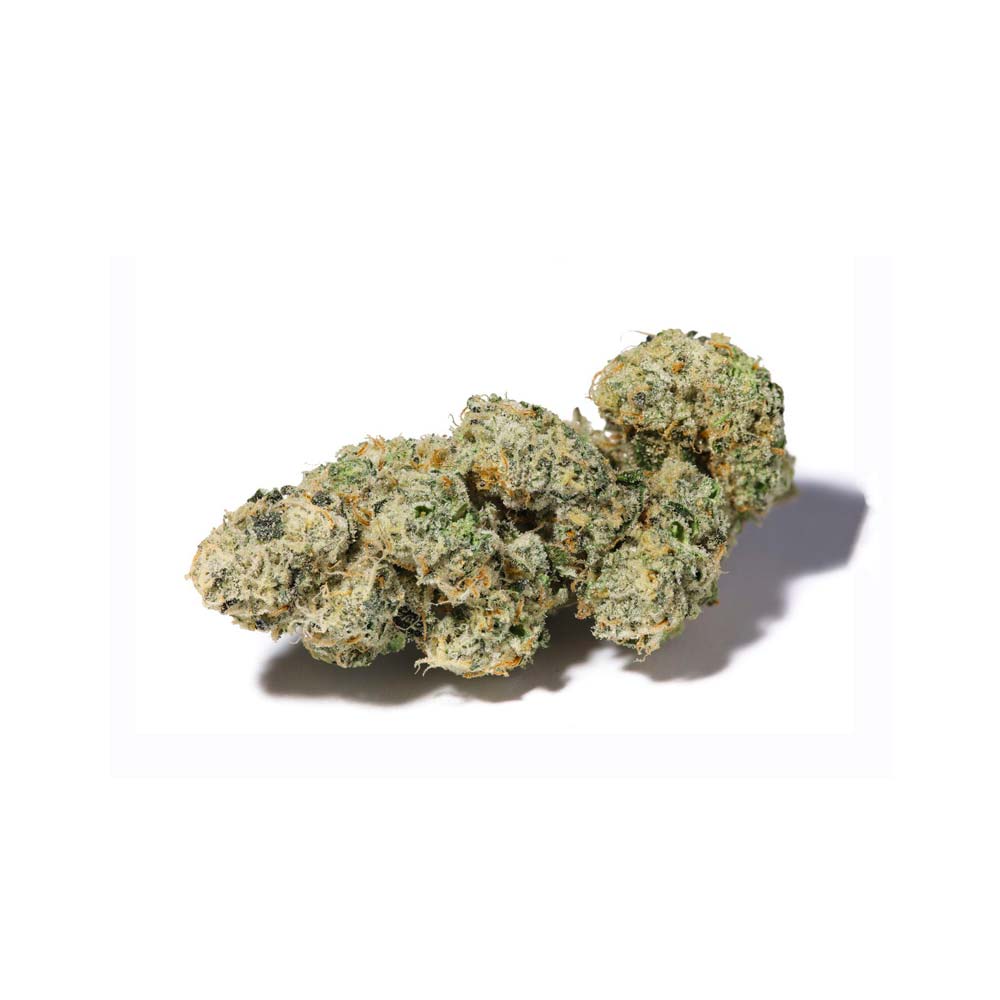
Smoking cannabis involves burning the plant material and inhaling the smoke, delivering cannabinoids directly to the lungs. This method offers rapid absorption, with effects typically felt within seconds to minutes. The experience is relatively short-lived, usually lasting 2-4 hours.
Smoking remains the most common consumption method in the UK, primarily due to familiarity and immediate effects. However, this delivery method involves combustion, which creates numerous compounds not present in the original cannabis plant.
Health and Safety: Respiratory Considerations
One of the most significant safety differences between these methods concerns respiratory health. Smoking cannabis produces similar harmful byproducts to tobacco combustion, including tar and carbon monoxide. Research indicates that cannabis smoke contains approximately 111 different chemical compounds, many of which are toxic or carcinogenic.
A 2020 study published in the Journal of Cannabis Research found that smoking cannabis increased airway resistance and impacted lung function in frequent users. Individuals with pre-existing respiratory conditions, asthma, or chronic obstructive pulmonary disease (COPD) face heightened risks when smoking cannabis.
Edibles eliminate combustion-related risks entirely. By bypassing the lungs, edibles avoid exposure to tar, carbon monoxide, and related respiratory irritants. For medical cannabis patients in the UK, particularly those using cannabis under NHS supervision, edibles represent a safer option for protecting respiratory health.
Dosing Accuracy and Overdose Risk
Dosing precision represents another crucial safety distinction. Regulated edibles in legal markets come with clearly labelled cannabinoid content, allowing users to control their intake precisely. This standardisation is particularly valuable for medical patients requiring consistent therapeutic doses.
Smoking presents significant dosing challenges. The amount of THC absorbed varies considerably depending on inhalation technique, hold duration, and cannabis potency. Users often find it difficult to achieve consistent experiences, creating overdose risks, particularly with modern high-potency strains.
Unintentional overconsumption represents a leading concern with edibles, especially among inexperienced users unfamiliar with their potency. However, once informed about appropriate dosing, edibles allow superior dose control compared to smoking. The standard recommendation for beginners is to start with 2.5-5mg THC and wait at least two hours before considering additional consumption.
Mental Health and Psychological Safety
The intensity of effects differs significantly between consumption methods, creating different psychological safety profiles. Smoking’s rapid onset can trigger anxiety or panic in susceptible individuals, whilst the gradual, prolonged effects of edibles may feel more manageable for some users.
However, edibles present their own risks. The delayed onset sometimes leads users to consume additional amounts, thinking the first dose was ineffective. This can result in unexpectedly intense effects, potentially causing anxiety, paranoia, or psychological distress.
Research from King’s College London suggests that high-THC cannabis consumption, regardless of method, increases psychosis risk in vulnerable populations. Edibles’ higher bioavailability and longer duration may amplify this risk compared to smoking.
Drug Testing and Legal Considerations
In the UK, cannabis remains illegal for recreational use, though medical applications are permitted under strict conditions. Both smoking and edibles produce detectable THC metabolites in drug tests, with no meaningful difference in detection timing or duration between methods.
Workplace drug testing policies typically cannot distinguish between consumption methods. Users should be aware that both smoking and edibles create equivalent legal and employment risks under current UK legislation.
Cardiovascular and Other Health Risks
Both methods affect cardiovascular function, though mechanisms differ. Smoking increases carbon monoxide levels and blood pressure acutely. Edibles bypass the respiratory system but still affect heart rate and blood pressure through systemic cannabinoid absorption.
Individuals with cardiovascular conditions should exercise caution with both methods and consult healthcare providers before use.
Which Method is Safer?
The evidence suggests edibles present fewer immediate respiratory health risks than smoking. They offer superior dosing precision, reducing unintentional overdose likelihood with proper information. For medical cannabis patients in the UK, edibles represent a safer alternative, particularly for those with existing respiratory concerns.
However, edibles carry distinct risks related to delayed onset and psychological effects. Safety ultimately depends on informed use, proper dosing education, and individual health circumstances.
Practical Safety Recommendations
Whether choosing edibles or smoking, follow these safety guidelines: start with low doses, wait adequate time before redosing, avoid driving or operating machinery, keep products away from children, purchase only from reputable sources, and consult healthcare providers about potential drug interactions or health contraindications.
For UK patients using medical cannabis, always follow prescribing guidance from healthcare professionals and discuss consumption methods during medical consultations.
Further Reading
- Medical Cannabis High Wycombe UK – Buckinghamshire Guide
- Which UK Cannabis Clinic Treats Your Condition?
- The Entourage Effect UK: Why Whole-Plant Cannabis Works Better
- Grape Ape Strain UK: Indica Medical Effects