
CBD Oil vs Medical Cannabis in the UK: A Comprehensive Guide
The distinction between CBD oil and medical cannabis in the United Kingdom can be confusing, especially given the evolving legal landscape and regulatory framework. Both products have gained significant public interest in recent years, but they operate under different regulations, availability structures, and accessibility criteria. This guide clarifies the key differences and helps you understand what each option entails.
What is CBD Oil?
Cannabidiol (CBD) is one of over 100 compounds found in cannabis plants. CBD oil is derived from cannabis or hemp plants and contains CBD as its primary active ingredient. Crucially, CBD oil contains little to no THC (tetrahydrocannabinol), the psychoactive compound responsible for the “high” associated with cannabis.
CBD oil is widely available as a nutritional supplement in the UK, sold through health shops, online retailers, and supermarkets. It comes in various forms including tinctures, capsules, creams, and edibles. The products are marketed for general wellness purposes such as stress relief, sleep support, and pain management, though scientific evidence supporting these claims remains limited in some areas.
What is Medical Cannabis?
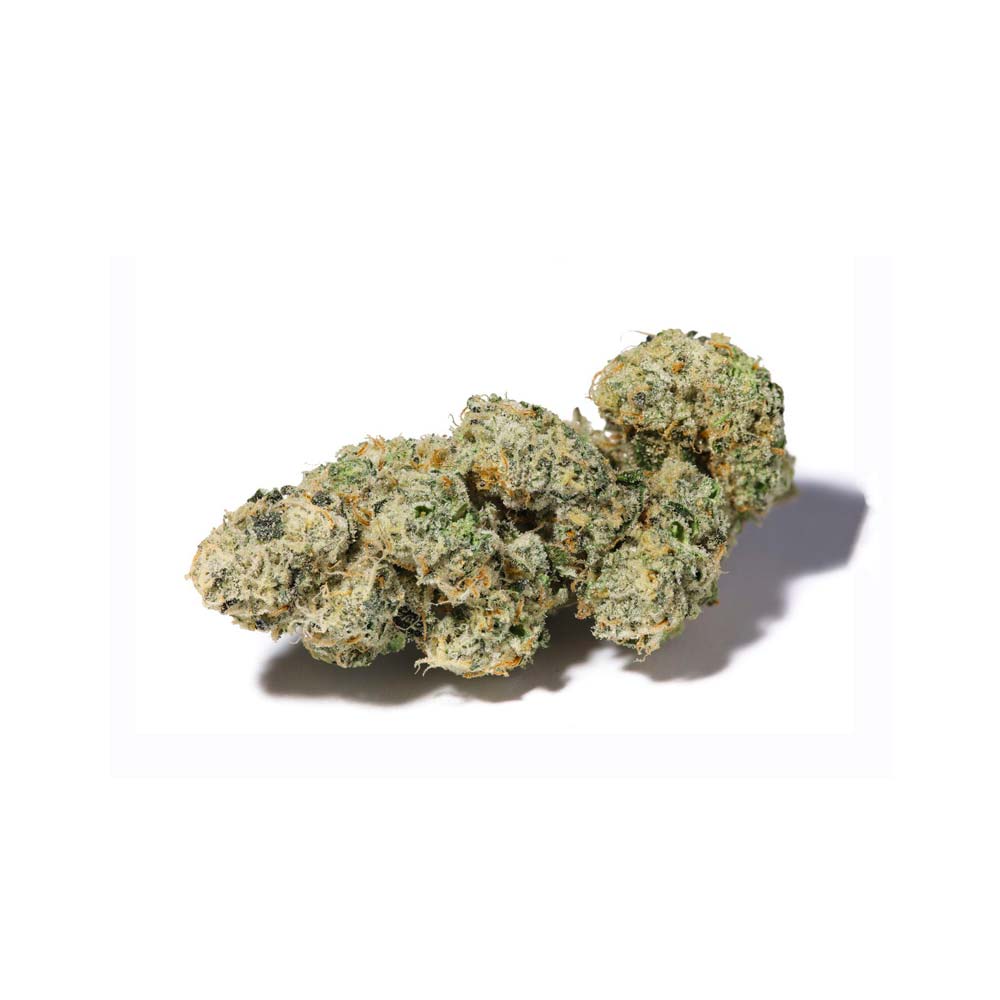
Medical cannabis refers to cannabis-based medicinal products containing both CBD and THC in varying proportions, or THC-dominant products. These are pharmaceutical-grade medications produced under strict quality controls. Unlike CBD supplements, medical cannabis is prescribed by specialists as a legitimate treatment for specific medical conditions.
In the UK, medical cannabis became legally available on the NHS in November 2020, following a change in legislation. However, access remains highly restricted and reserved for specific circumstances. Medical cannabis may contain the full spectrum of cannabinoids and terpenes from the plant, providing potentially different therapeutic effects than isolated CBD.
Legal Status and Regulations
Access and Availability
CBD Oil Access
CBD oil is accessible to anyone over 18 without prescription. You can purchase it from:
- High street health and wellness shops
- Online retailers and e-commerce platforms
- Supermarkets and pharmacies
- Specialised CBD retailers
There are no age verification requirements for online purchases beyond standard adult e-commerce protocols, though some retailers implement stricter checks.
Medical Cannabis Access
Access to medical cannabis is significantly more restricted. Eligible patients must meet specific criteria:
- Have a condition where other treatments have failed or proved unsuitable
- Be referred by a specialist (not GPs) for consideration
- Meet NHS eligibility criteria for specific conditions
Currently, medical cannabis is primarily prescribed for:
- Chronic pain in adults (where other treatments unsuitable)
- Chemotherapy-induced nausea and vomiting
- Multiple sclerosis-related spasticity
- Epilepsy (particularly childhood epilepsy in some cases)
Cost Comparison
| Product Type | Cost Range | Availability via NHS | Private Costs |
|---|---|---|---|
| CBD Oil Tinctures | £20–£80 per bottle | Not available | N/A |
| CBD Capsules | £15–£60 per month | Not available | N/A |
| Medical Cannabis (NHS) | Variable | Free to eligible patients | N/A |
| Medical Cannabis (Private) | £150–£300+ monthly | No | Specialist prescription required |
CBD oil costs vary based on concentration, brand reputation, and quality standards. Medical cannabis through the NHS is free to eligible patients, making it significantly cheaper than private prescriptions, which can cost between £150 and £300 monthly depending on medication type and dosage.
Prescription Requirements
CBD Oil
No prescription is required for CBD oil products. You can purchase them directly without any involvement from healthcare professionals. However, this lack of regulation means you should research brands carefully, as quality varies considerably. Look for third-party testing certificates and established retailers.
Medical Cannabis
Medical cannabis strictly requires a specialist prescription. The process typically involves:
- Initial consultation with your GP or specialist
- Referral to a cannabis specialist (often private initially)
- Assessment of eligibility based on medical history
- Formal prescription from the specialist
- Dispensing through licensed pharmacies
Effectiveness by Condition
| Condition | CBD Oil Evidence | Medical Cannabis Evidence |
|---|---|---|
| Chronic Pain | Mixed evidence; limited clinical trials | Moderate evidence; NHS approved indication |
| Epilepsy | Some evidence for certain types | Strong evidence; approved for specific epilepsies |
| Anxiety | Preliminary research promising | Limited evidence; not primary indication |
| Multiple Sclerosis Spasticity | Limited evidence | Strong evidence; NHS approved |
| Chemotherapy-induced Nausea | Minimal evidence | Established evidence; NHS approved |
Scientific evidence supporting CBD oil’s effectiveness remains limited for many conditions. Most claims lack robust clinical trial data. Medical cannabis, conversely, has stronger evidence for specific conditions and is approved by the NHS only where clinical evidence supports its use.
Conclusion
The choice between CBD oil and medical cannabis depends on your circumstances, health needs, and access eligibility. CBD oil offers easy, legal accessibility for general wellness purposes, though evidence for specific health claims is developing. Medical cannabis provides a regulated, prescription-based treatment option with stronger clinical evidence for specific conditions, but access remains restricted to eligible patients with specialist referrals.
If considering either option, discuss potential interactions with existing medications and underlying health conditions with your healthcare provider. For medical cannabis eligibility, consult your GP about specialist referral options, and for CBD oil, research products thoroughly to ensure quality and authenticity.
Further Reading
- Best CBD Gummies UK
- Critical Mass Strain — CBD Rich, Effects, UK Medical
- THC Legal Limit UK — What Is Allowed, CBD vs THC Law